Gaming
Consoles, handhelds, and the hardware decisions that change what you can actually play — cut through the marketing to the parts that affect your next session.

PS5 QSSR AI Upscaling: What Sony Says
Sony announced QSSR, a lighter PSSR-style AI upscaler for the standard PS5, starting with two games. What it is, what is unknown and how to try it.
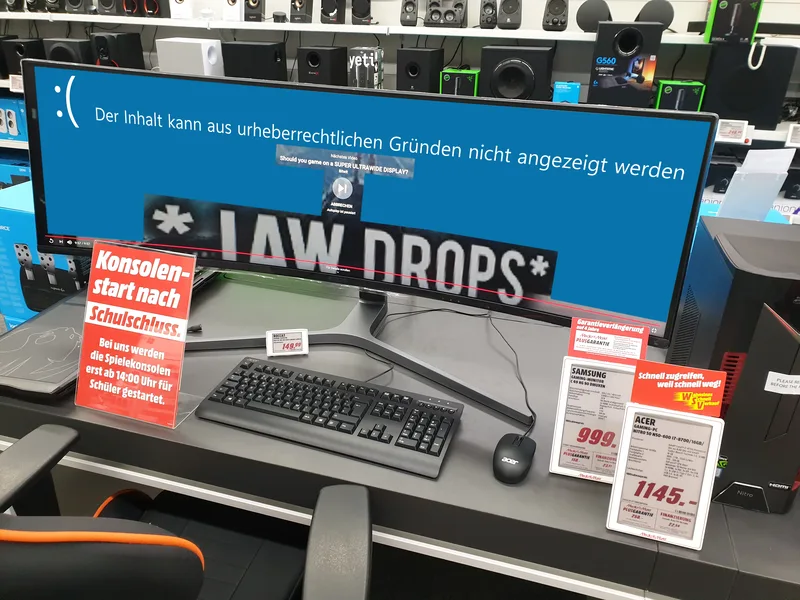
Gaming Monitor Panel Types Explained: IPS vs OLED vs VA vs TN
Refresh rate and resolution get most of the attention, but panel type quietly decides how a gaming monitor actually looks and feels to play on. Here's what IPS, VA, TN, and OLED each really trade off.
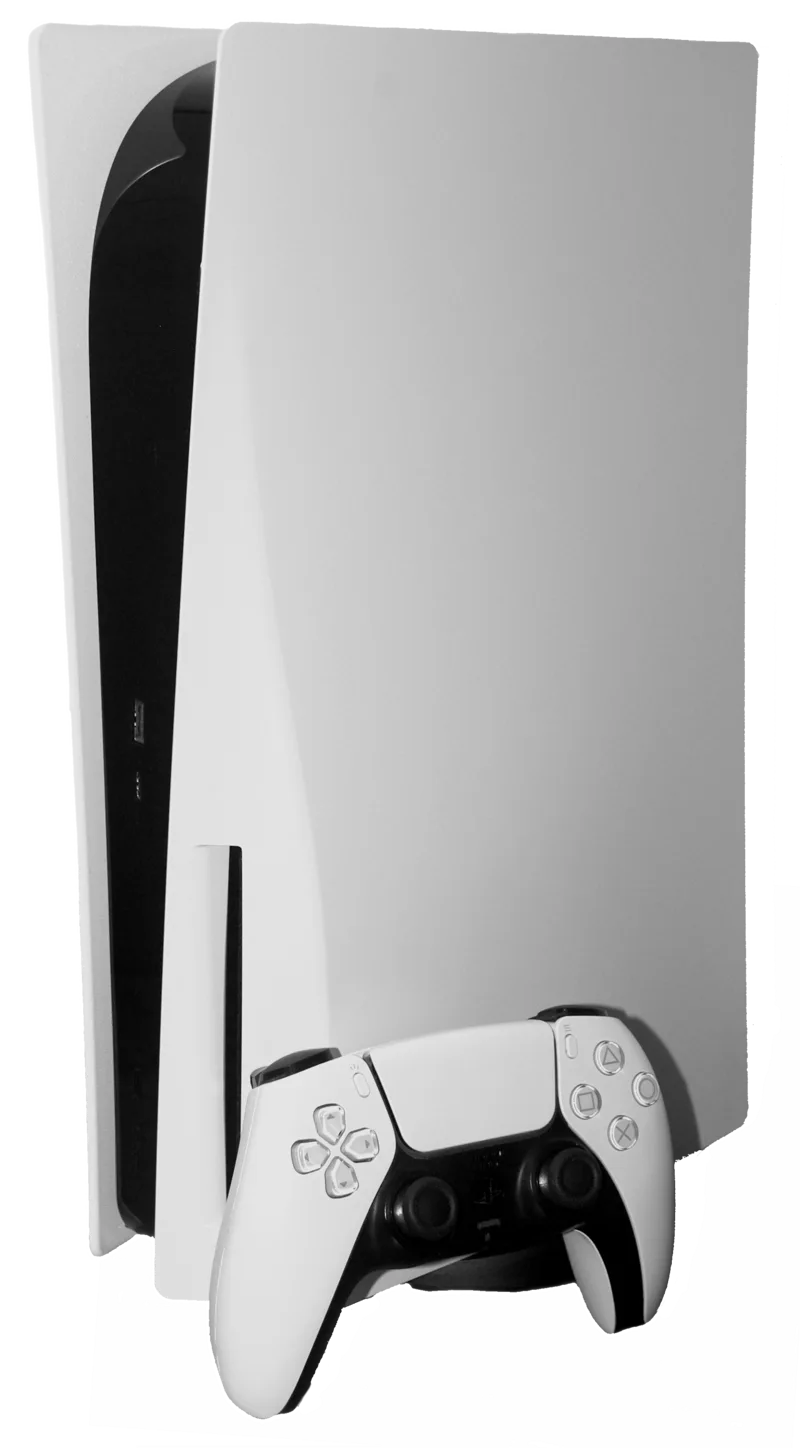
Controller Haptics and Adaptive Triggers Explained: How DualSense Actually Feels Different
The PS5's DualSense controller feels noticeably different from a standard gamepad, and it's not just marketing. Here's how haptic feedback and adaptive triggers actually work, and which games use them well.

Building a Gaming PC in 2026: What Actually Matters When Choosing Parts
Component lists online change constantly, but the underlying logic for building a balanced gaming PC doesn't. Here's how to actually prioritize a budget across parts.
Digital vs Physical Games in 2026: Does Owning a Disc Still Matter?
Digital-only console editions are now the norm, and physical game sales keep shrinking. Here's what you actually gain and give up by choosing one format over the other.
Kernel-Level Anti-Cheat Explained: What Games Like Valorant Actually Install on Your PC
Competitive games increasingly install software that runs at the deepest level of your operating system. Here's what that software actually does, and why it's controversial.
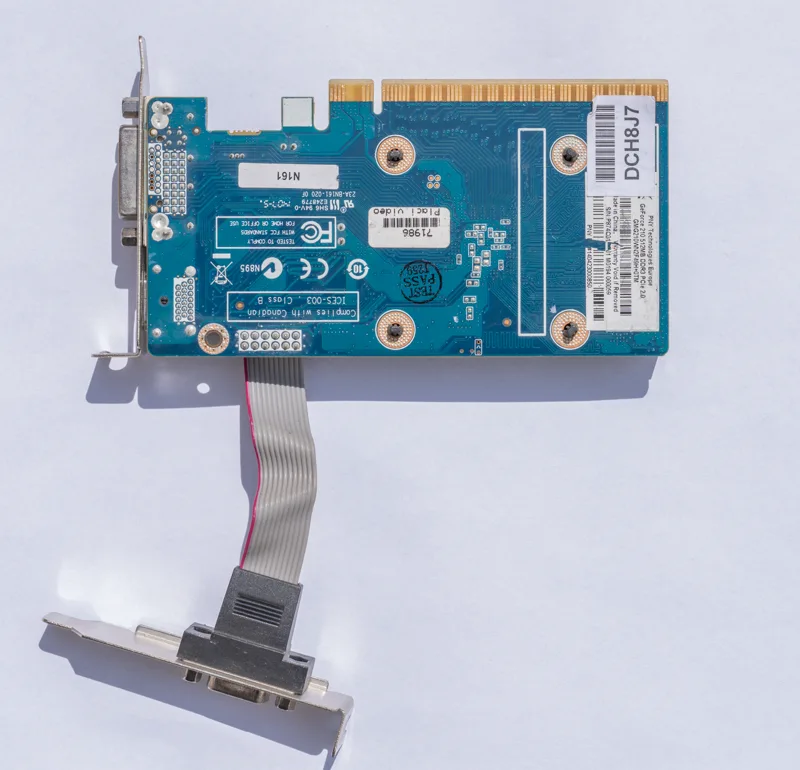
Graphics Card VRAM Explained: How Much Do You Actually Need for Gaming in 2026
Two similarly priced GPUs can deliver very different gaming experiences based on one overlooked spec. Here's what VRAM actually does and how much is enough.
Input Lag Explained: Why Your Controller and Monitor Combo Feels Delayed
Input lag isn't one problem, it's a chain of small delays across your controller, console, and display. Here's where each one actually comes from.
HDR Gaming Explained: What HDR10, Dolby Vision, and HGiG Actually Change On Screen
HDR gaming looks incredible on a properly configured setup and washed-out on a mismatched one, and the difference almost always comes down to a fixable calibration mismatch, not bad hardware.
Frame Generation Explained: How DLSS Frame Gen and AMD FMF Actually Work
Frame generation can double a reported frame rate without the GPU rendering twice as many real frames. Here is what it actually does, and where it can go wrong.

Xbox Game Pass vs PlayStation Plus vs Nintendo Switch Online: Which Subscription Is Actually Worth It
Three genuinely different bets on what a game subscription should be, and how to figure out which one actually matches your real play habits.
Is PC Gaming Actually Cheaper Than Console in 2026? The Real Cost Breakdown
PC gaming's higher upfront price is real, but game discounts, subscriptions, and hardware longevity change the total cost picture significantly over a five-year span.
Cloud Gaming in 2026: Is Xbox Cloud Gaming Good Enough to Skip a Console?
Input latency has improved dramatically, but competitive games and connection requirements still separate cloud gaming from real console-replacement status.
Cross-Platform Play Explained: What Actually Works Between PS5, Xbox, Switch, and PC
Cross-play is common now, but it isn't universal, isn't always automatic, and doesn't always include cross-progression. Here's what actually carries over between platforms.
Variable Refresh Rate Explained: How G-Sync, FreeSync, and VRR Actually Stop Screen Tearing
What variable refresh rate actually does, how Nvidia's G-Sync and AMD's FreeSync differ from the open VESA standard underneath most of them, and where console VRR fits in.

Gaming Headsets Explained: What Actually Makes One Sound Good (and What's Marketing)
Why frequency response numbers on the box are nearly meaningless, how virtual surround sound actually works, and what separates a good gaming headset from a loud spec sheet.
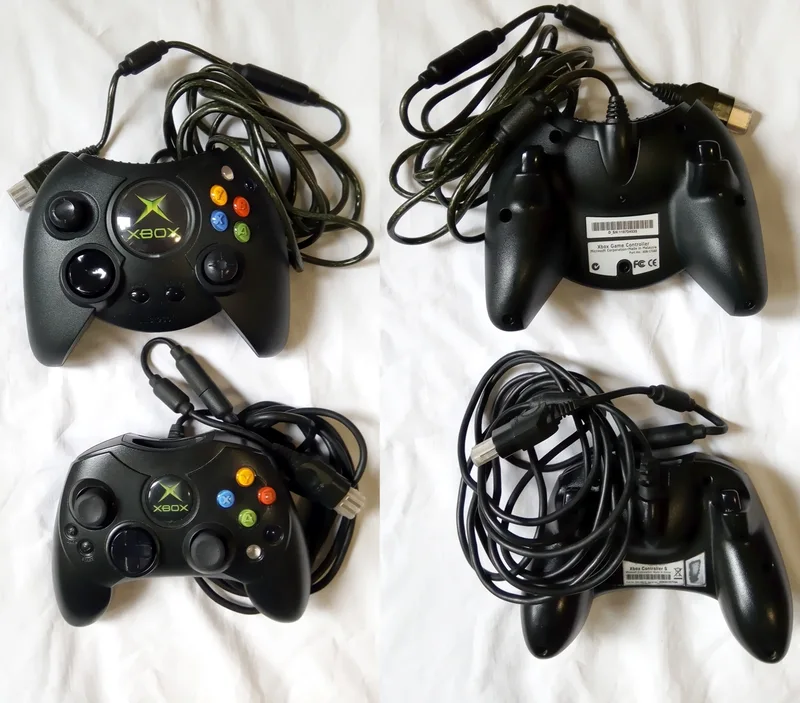
Controller Stick Drift: What Actually Causes It and How to Fix It
Why analog sticks wear out and start drifting on Xbox, PlayStation, and Switch controllers, and which fixes actually work versus which just delay the problem.
Gaming Monitors Explained: Refresh Rate, Response Time, and Resolution
What refresh rate, response time, and resolution actually do for gaming performance, and how to match a monitor to the way you actually play.
Ray Tracing in 2026: What It Actually Changes in the Games You Play
Ray tracing has been a marketing buzzword on graphics cards and consoles for years. Here is what the technology actually does to a scene, why it is so demanding, and when turning it on is genuinely worth the performance cost.
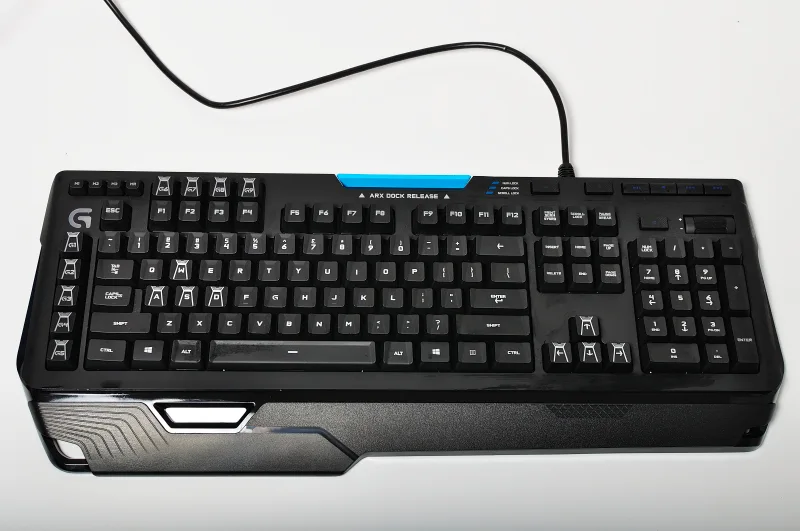
Mechanical Keyboard Switches for Gaming: Linear, Tactile, and Clicky Explained
Linear, tactile, and clicky switches feel completely different under your fingers — here's what actually separates them and which one fits your play style.
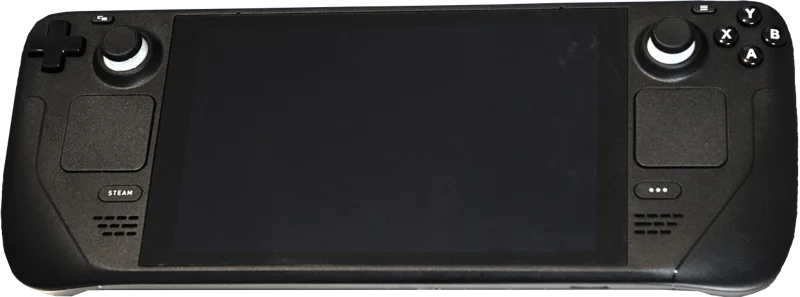
Gaming Laptop or Handheld? How to Actually Decide in 2026
A gaming laptop and a PC handheld can run the same library of games, but they solve genuinely different problems — here is how to figure out which one actually fits how you play.
DLSS vs FSR vs XeSS: How AI Upscaling Actually Works in Modern Games
Every modern GPU and console now leans on some form of AI upscaling to hit higher frame rates. Here is what DLSS, FSR, and XeSS actually do differently, and which matters most for your setup.
Steam Deck OLED: Is the Screen Upgrade Worth It?
Same performance, a genuinely different feel -- what the OLED panel and battery changes actually mean in daily use.
PS5 Pro vs Nintendo Switch 2: Which Should You Actually Buy First
If you're splitting a limited gaming budget between a PS5 Pro and a Nintendo Switch 2, you're really choosing between two completely different kinds of gaming experience, not two competing versions...

Nintendo Switch 2 vs Steam Deck: Which Handheld Should You Actually Buy
A curated console experience against a full portable PC library. The real decision comes down to which games you actually want to play.
PS5 Pro vs Xbox Series X: Which Console Actually Justifies Its Price
A mid-generation premium upgrade against a cheaper console with a much bigger day-one game library. Here is which value case actually holds up.
Steam Deck: What You Can (and Can't) Actually Play
Valve's Steam Deck runs your existing PC game library on a handheld — but "runs" and "runs well" aren't the same thing for every title.
Xbox Series X vs Series S: The Difference That Actually Matters
Both consoles play the same games day one — the real-world gap between them comes down to resolution, storage, and one format you might still care about.
PS5 Pro: Who Actually Needs the Upgrade
A faster GPU and better ray tracing sound great on paper — but the PS5 Pro only pays off for a specific kind of player.
Nintendo Switch 2: The Confirmed Details So Far
Nintendo has confirmed backward compatibility and a larger screen — here's a plain-language rundown of what's actually official.

Xbox in 2026: Project Helix, Xbox Mode and the Series X25 Anniversary Hardware
Xbox has confirmed its next-generation Project Helix console, rolled out Xbox Mode for Windows and announced limited-edition Series X25 hardware. What is confirmed and what is still unknown.