Controller Haptics and Adaptive Triggers Explained: How DualSense Actually Feels Different
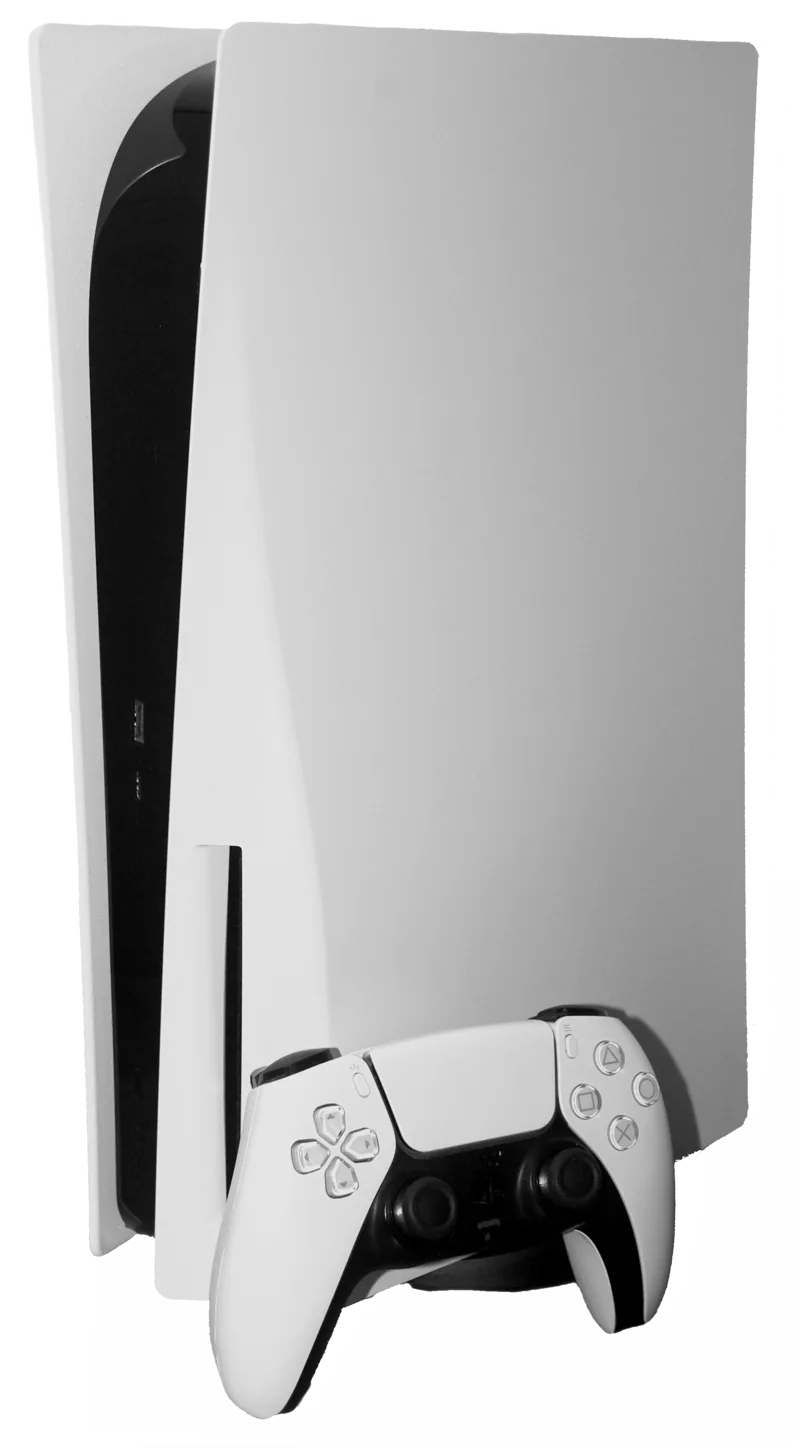
Rumble in game controllers barely changed for two decades. A motor with an off-center weight spins up and shakes the whole controller at one intensity, used for everything from a car crash to a footstep, with no real distinction between the two beyond how long the buzz lasts. Sony's DualSense controller, launched alongside the PS5, was built specifically to break that pattern, and the two features responsible, haptic feedback and adaptive triggers, work on genuinely different technology than the rumble motors that came before them.
Why old-style rumble felt so generic
Standard rumble motors, technically called eccentric rotating mass motors, work by spinning an off-balance weight, and the vibration they produce is essentially one-dimensional: it can get stronger or weaker and it can start or stop, but the actual character of the shake barely changes no matter what's happening on screen. That's why traditional rumble tends to blur together after a while, an explosion and a low-fuel warning end up feeling like variations of the same buzz rather than distinct sensations, because the hardware genuinely can't produce much more nuance than that.
How haptic feedback actually works
The DualSense replaces those simple rotating-mass motors with linear resonant actuators similar to the kind used in modern smartphones for more precise vibration feedback. Instead of just spinning at variable strength, these actuators can move with much finer control over frequency and amplitude, closer to how a speaker driver moves air to produce different pitches rather than just one buzz at different volumes. That precision is what lets a game simulate distinctly different textures and sensations through the same physical hardware: the crunch of walking on gravel can feel different from splashing through water, a bowstring being drawn can build tension you feel increase, and raindrops can register as a scatter of tiny, distinct impulses rather than a generic hum. It's a genuine expansion of what a controller can communicate to a player without saying anything on screen, not just a marketing rebrand of ordinary rumble.
What adaptive triggers add on top
Adaptive triggers are a separate piece of hardware built into the L2 and R2 triggers themselves, using small motors that can add resistance to how far and how easily each trigger pulls, and that resistance can change dynamically in real time based on what's happening in the game. Drawing a bow can feel like it's genuinely getting harder to pull the further back it goes, a gun's trigger can simulate the mechanical resistance of a real firearm's action, and driving a car can make the accelerator trigger stiffen to simulate mud or resistance from tire slip. Some games go further and use it to represent a mechanical malfunction or a weapon jamming, adding a distinct catch or stutter in the trigger pull that communicates something is wrong before any on-screen indicator does.
Why not every game uses it well
Implementing haptics and adaptive triggers well takes real development time, since a studio has to design specific feedback patterns for specific in-game actions rather than relying on a single generic vibration setting, and it only works at all on the platform's own controller, meaning any multiplatform release has to build and test it as an extra layer on top of everything else. Some of the PS5's biggest exclusive titles are held up as reference examples for how expressive the feature can be, using distinct haptic textures for different surfaces and weapon feel that becomes genuinely noticeable once a player has felt the difference. Plenty of other games, especially quick ports or titles built primarily around a different platform's controller first, implement only a token version of the feature, or skip meaningful use of the adaptive triggers entirely, which is part of why player impressions of "does DualSense haptics actually matter" vary so much depending on which games someone has actually played with it.
The build-quality tradeoff nobody mentions
All of that extra hardware comes at a cost beyond the controller's price tag. Linear resonant actuators and motorized trigger resistance mechanisms are more complex, more failure-prone over years of hard use, and more expensive to manufacture than a pair of simple rotating-mass motors, which is part of why the DualSense costs more than a traditional gamepad and why some players have reported trigger mechanisms wearing out or developing extra play faster than the simpler triggers on older controllers. It's a reasonable tradeoff for the feedback gained, but it's worth knowing that the feature isn't purely additive, it also introduces new points where a controller can eventually need repair or replacement that older, simpler designs never had to worry about.
How it compares to other controllers
Xbox's standard controller still uses more conventional rumble motors, though its Elite controllers and some third-party pads have added their own variations on advanced haptics without matching the DualSense's adaptive trigger resistance specifically. This split is one more small but real differentiator between console ecosystems, alongside the more commonly discussed differences covered in what actually separates Xbox's console tiers, and it's a factor some buyers weigh when deciding between platforms in guides like comparing PS5 Pro and Xbox Series X value. On PC, DualSense controllers can connect and many games do support their haptics and adaptive triggers through official driver support, though compatibility varies title by title in a way that console players don't have to think about.
Does it actually change how games feel to play
For anyone who has spent real time with a game that implements the feature thoughtfully, the answer tends to be a clear yes, it adds a layer of physical feedback that traditional rumble never could and that most players notice within the first few minutes of trying it. Whether it's worth factoring heavily into a buying decision depends on which games someone actually plans to play and how much those specific titles lean into the feature, the same kind of practical, game-library-first thinking that applies to bigger platform decisions like the ones weighed in choosing gaming audio gear that actually matches how you play. As a piece of hardware engineering, though, it represents one of the more genuine advances in controller feedback in years, not just a marketing checkbox next to the usual spec sheet of buttons and sticks.