Nintendo Switch 2: The Confirmed Details So Far
Nintendo took an unusually long time between handhelds — nearly nine years passed between the original Switch and its successor — and the wait shows in how thoroughly the company rebuilt the platform rather than simply speeding it up. The Nintendo Switch 2 is a bigger, sharper, more powerful machine than the console it replaces, but the more interesting story is how much Nintendo worked to keep the original Switch's massive library relevant rather than starting over. Here's what's actually confirmed, what it means for existing Switch owners, and where the new hardware still has rough edges.
The hardware upgrade, in plain terms
The Switch 2 ships with a larger 7.9-inch LCD screen running at 1080p in handheld mode, a meaningful jump from the original's smaller, lower-resolution panel, and it can output up to 4K when docked and connected to a TV. Under the hood, a custom Nvidia processor brings substantially improved performance over the original Tegra chip, enough to support features like ray-traced lighting in select titles and noticeably shorter load times across the board. The Joy-Con 2 magnetic attachment replaces the sliding rails of the original controllers, which Nintendo says reduces the connector wear that caused drift complaints on the original hardware, and they also work as a rudimentary mouse when placed flat on a table — a genuinely new input option rather than a gimmick bolted onto old hardware.
Battery life lands in a similar range to the original Switch's later revisions, meaning it's respectable rather than exceptional, and the console is noticeably larger and heavier in the hand as a direct consequence of the bigger screen and more powerful internals. None of this is a dramatic reinvention of what a Nintendo handheld is, but it addresses the most common technical complaints about the original console point by point.
Backward compatibility is the headline feature
The single most consequential decision Nintendo made with the Switch 2 is backward compatibility with the overwhelming majority of the original Switch's physical and digital game library. That matters enormously given how large that library grew over eight years, and it stands in contrast to past Nintendo hardware transitions — the jump from the 3DS to the Switch, for instance, left an entire library behind. Most existing games run at the same or improved performance thanks to the extra processing headroom, and Nintendo has also sold enhanced re-releases of a handful of flagship titles that take fuller advantage of the new hardware, sold as paid upgrades rather than automatic free updates.
This backward-compatibility-first approach is worth comparing to how Valve's Steam Deck handles game libraries, since both machines are solving a similar problem — protecting an existing software investment — with very different underlying architectures. The Steam Deck inherits the entire PC Windows/Linux game catalog by virtue of running actual PC hardware, while the Switch 2 inherits a curated, first-party-controlled library that Nintendo has spent years building specifically for its own console.
GameChat and the social features Nintendo added
Alongside the hardware, Nintendo introduced GameChat, a built-in voice and video chat system accessible through a dedicated button on the right Joy-Con 2. It lets players talk to friends, share their screen, and in supported setups show themselves on camera using an optional accessory, all without needing a third-party app or a phone nearby. It's a feature aimed squarely at younger and more casual players who previously had to route voice chat through a smartphone app while playing, and it reflects Nintendo's broader push to make the console more self-contained for social play rather than requiring a second device.
Price and what it means for the used and existing-hardware market
The Switch 2 launched at a higher price point than the original Switch did at its debut, reflecting both the improved hardware and general cost inflation across the electronics industry since 2017. That price increase has kept the original Switch and Switch Lite in production and on shelves at lower price points, giving Nintendo an unusually wide lineup spanning budget handheld to premium hybrid console simultaneously — something worth factoring in if backward-compatible software matters more to you than the newest features. Shoppers weighing a Switch 2 purchase against other current options should also look at how the console compares directly to rival handhelds before committing.
How it stacks up against the competition
The handheld gaming category got considerably more competitive in the years leading up to the Switch 2's launch, with Valve's Steam Deck and a wave of Windows-based handhelds proving there was real demand for portable PC-class gaming. Nintendo's answer isn't to compete on raw power — the Switch 2 remains meaningfully less powerful than a Steam Deck or a current-generation PlayStation 5 — but on the strength of its first-party exclusives and the enormous, protected software library that backward compatibility preserves. A detailed side-by-side of what each device actually gets you is worth reading before choosing between them, and the Switch 2 versus Steam Deck comparison breaks down the practical tradeoffs in specifications, game libraries, and everyday usability.
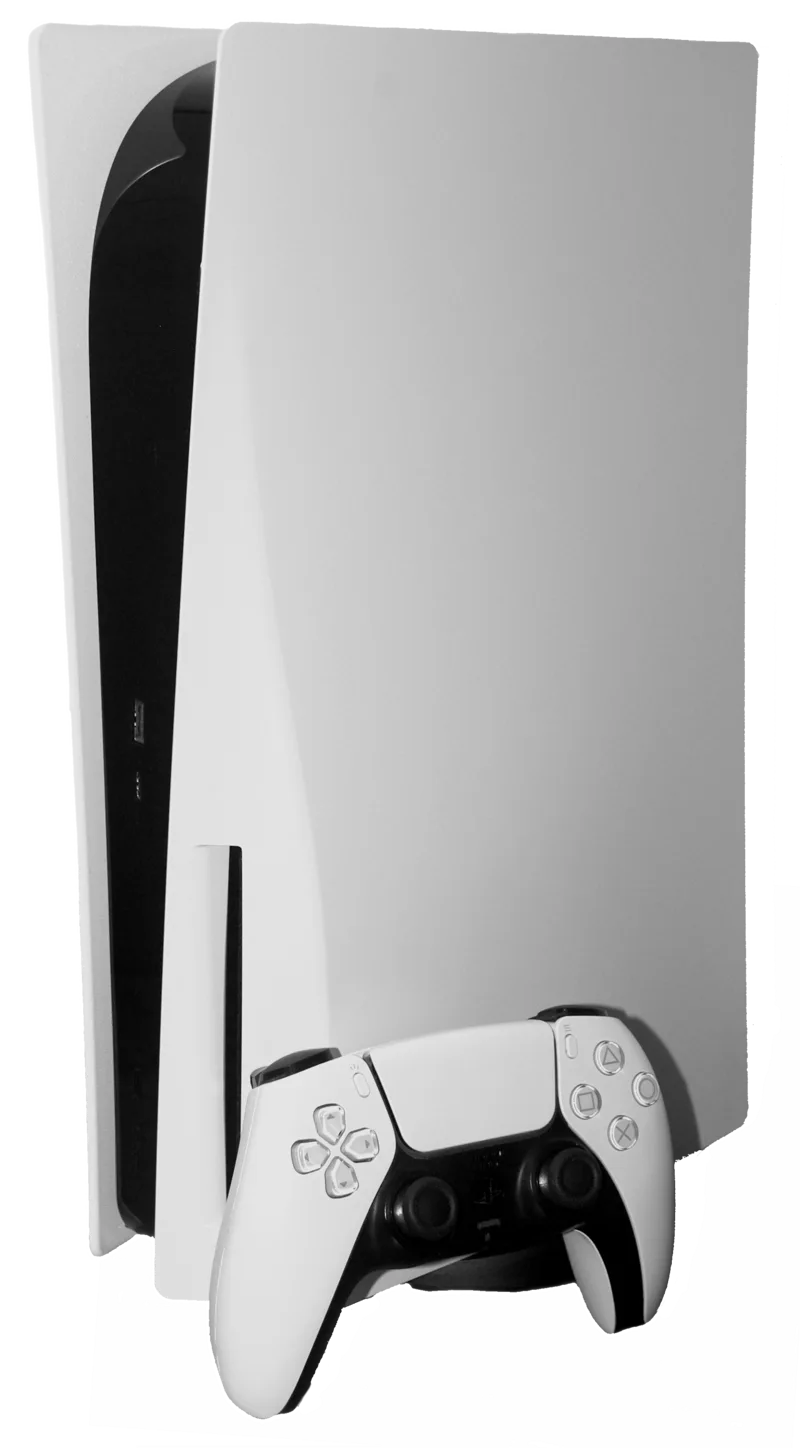
Against Sony and Microsoft's home consoles the comparison is less direct since neither is a handheld, but for shoppers deciding which platform to invest in first, the question of raw power versus portability versus exclusive games is the same one that comes up when comparing the PS5 Pro against the Switch 2 as a first major console purchase.
What's still unclear
A handful of details remain genuinely open questions even after launch: how quickly Nintendo's own studios will ship games designed to take full advantage of the extra power rather than simply running existing titles faster, how the accessory ecosystem (cases, screen protectors, docks) will mature, and how durable the new magnetic Joy-Con 2 attachment mechanism proves to be over years of regular use compared with the rail-based drift issues that plagued the original hardware. Those are the kinds of things that only become clear with time, and they're worth watching before treating any of Nintendo's launch claims about reliability as settled fact.
The bottom line
The Nintendo Switch 2 is best understood as a careful, evolutionary upgrade rather than a reinvention — bigger screen, meaningfully more power, a fixed input-drift design, and new social features, all wrapped around the explicit goal of not stranding the enormous software library that made the original Switch one of the best-selling consoles ever made. Whether it's worth buying immediately over sticking with an original Switch or waiting to see how the handheld market shakes out depends mostly on how much the new features and improved performance matter to you today.