Cloud Gaming in 2026: Is Xbox Cloud Gaming Good Enough to Skip a Console?
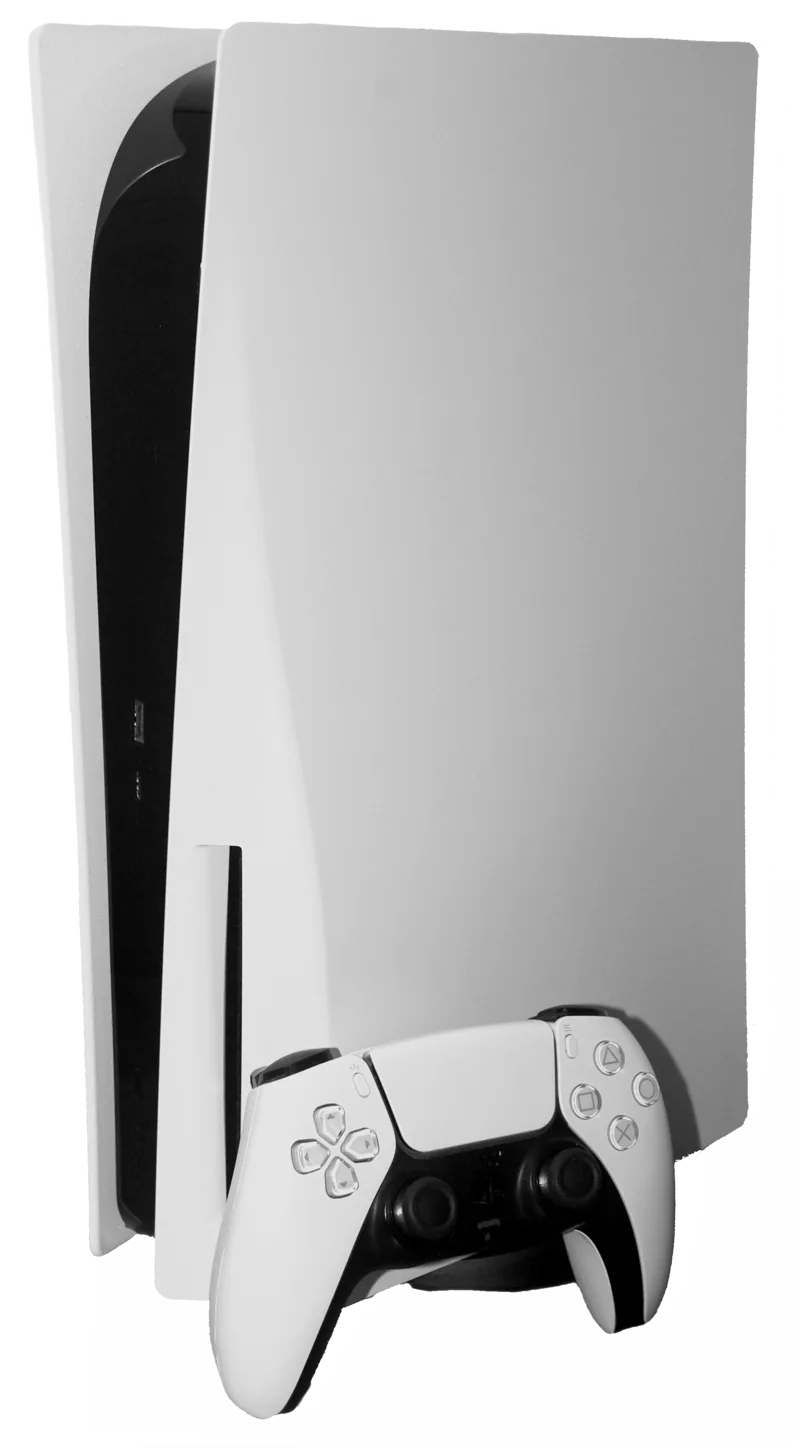
Cloud gaming has been promised as the thing that finally kills the console for over a decade, and every year the pitch resets: stream a full game to whatever screen you already own, skip the $500 hardware purchase entirely. Xbox Cloud Gaming is the most mature version of that promise today, bundled into Game Pass Ultimate and playable on phones, tablets, browsers, and even some smart TVs without any dedicated hardware. The question worth answering honestly isn't whether the technology works — it does, more reliably than it used to — but whether it's actually good enough to replace a console like the PS5 Pro or an Xbox Series X rather than just supplement one.
What cloud gaming actually gets right in 2026
The single biggest improvement over early cloud gaming attempts is input latency, which used to be the feature's fatal flaw. On a strong home broadband connection with a wired router (or even solid Wi-Fi 6 in the same room as the router), the gap between pressing a button and seeing it register on screen has shrunk to a point where most single-player and slower-paced games feel genuinely close to local hardware. Microsoft's approach of running the actual Xbox Series X hardware in its data centers, rather than some generic cloud server, means the games themselves perform identically to a real console — same frame rates, same visual settings, same load times — which removes an entire category of "watered-down cloud version" complaints that plagued earlier competitors.
Accessibility is the other real win. Cloud gaming turns a phone, an old laptop, a smart TV, or a $50 streaming stick into a fully capable game console, which matters enormously for people who can't justify a few hundred dollars on dedicated hardware but already own a decent internet connection and a screen. It also solves the storage problem entirely — no downloading 80GB game installs, no waiting through day-one patches, no managing which games to delete to make room for new ones.
Where it still falls apart
Competitive, fast-paced games are where cloud gaming remains a genuinely worse experience than local hardware, full stop. Fighting games, competitive shooters, and rhythm games all depend on frame-perfect input timing that even excellent internet connections can't fully guarantee, because you're adding network round-trip time on top of whatever local processing latency already exists. A single dropped packet or brief congestion spike that a local console would never notice can cause a visible stutter or a missed input in a cloud session, and in a competitive match that's the difference between winning and losing a round.
Connection quality requirements are also stricter than most people realize going in. Xbox recommends at least 10-20 Mbps of stable, low-latency bandwidth specifically dedicated to the stream, which sounds trivial on paper but gets complicated fast in a household where other people are simultaneously streaming video, video-calling, or downloading something in the background. Mobile data works in theory but chews through a data plan at a rate that makes it impractical as a regular habit rather than an occasional convenience, and cellular latency spikes are far more common than on fixed broadband.
The hybrid reality most players actually land on
Almost nobody who tries cloud gaming ends up using it as a full console replacement, and that's not really a failure of the technology — it's a reasonable outcome given what it's actually good at. The realistic pattern that emerges is using cloud gaming to fill gaps a console can't: playing a story-driven single-player game during a lunch break on a work laptop, continuing a session on a phone during a commute, or trying out a new Game Pass release before deciding whether it's worth downloading locally for a longer session. For anyone who already owns a console, cloud gaming functions best as a convenience layer on top of it, not a replacement for it — similar to how our Switch 2 vs Steam Deck comparison found that handhelds tend to supplement rather than fully replace a home console for most players.
Who cloud gaming is actually a good fit for
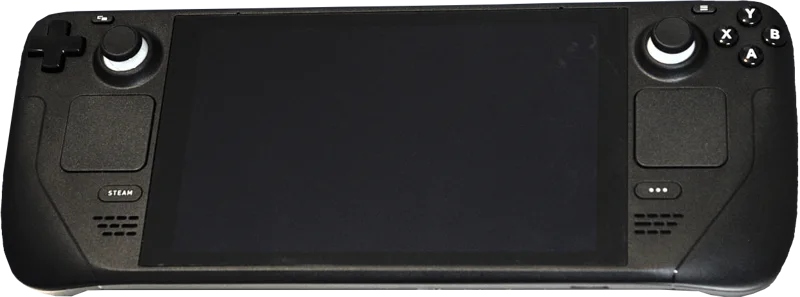
The strongest case for cloud gaming as a primary way to play is a genuinely narrow one: someone with excellent, uncontested home broadband, who mostly plays single-player or slower-paced games, and who doesn't already own gaming hardware and isn't eager to spend on it. That's a real audience, but it's a specific one, not "everyone with a phone." For competitive multiplayer fans, anyone on unreliable or shared internet, or anyone who wants the absolute lowest input latency possible, dedicated hardware still wins clearly, whether that's a console like the ones we've reviewed or a handheld PC like the Steam Deck OLED.
Where cloud gaming is unambiguously winning is as an addition to an existing gaming setup rather than a replacement for one — and that more modest framing is probably the more honest way to think about where the technology actually stands going into 2026, rather than the console-killer pitch it's been sold as since the concept first launched.
The subscription math is where the real value argument lives
Judged purely as a standalone feature, cloud gaming is a convenience. Judged as part of a Game Pass Ultimate subscription, the math looks very different, because the subscription already includes day-one access to a rotating library of first-party and third-party titles regardless of whether you stream them or download them locally. That means the realistic comparison for most buyers isn't "cloud gaming versus buying a console," it's "how much of my Game Pass subscription's value comes from being able to try a game instantly on a device I already own, without committing to a download or a purchase." For anyone who samples a lot of games and finishes relatively few of them, that instant-access model can end up being worth more in practice than the marginal difference in visual fidelity between a streamed session and a locally installed one.
What changes if dedicated cloud gaming hardware takes off
A newer wrinkle worth watching is purpose-built cloud gaming hardware — small, inexpensive streaming boxes and handhelds designed around the assumption that the game itself lives entirely in a data center rather than on the device. If that category matures, it could narrow the gap between cloud gaming and traditional consoles further, since a device built specifically to minimize local-to-server latency (rather than a general-purpose phone or laptop pressed into service) removes some of the unpredictability that currently makes competitive cloud play a gamble. That's still a forward-looking bet rather than something worth buying into today, but it's the direction that would need to happen for cloud gaming to credibly compete with, rather than simply complement, dedicated hardware.