Digital vs Physical Games in 2026: Does Owning a Disc Still Matter?
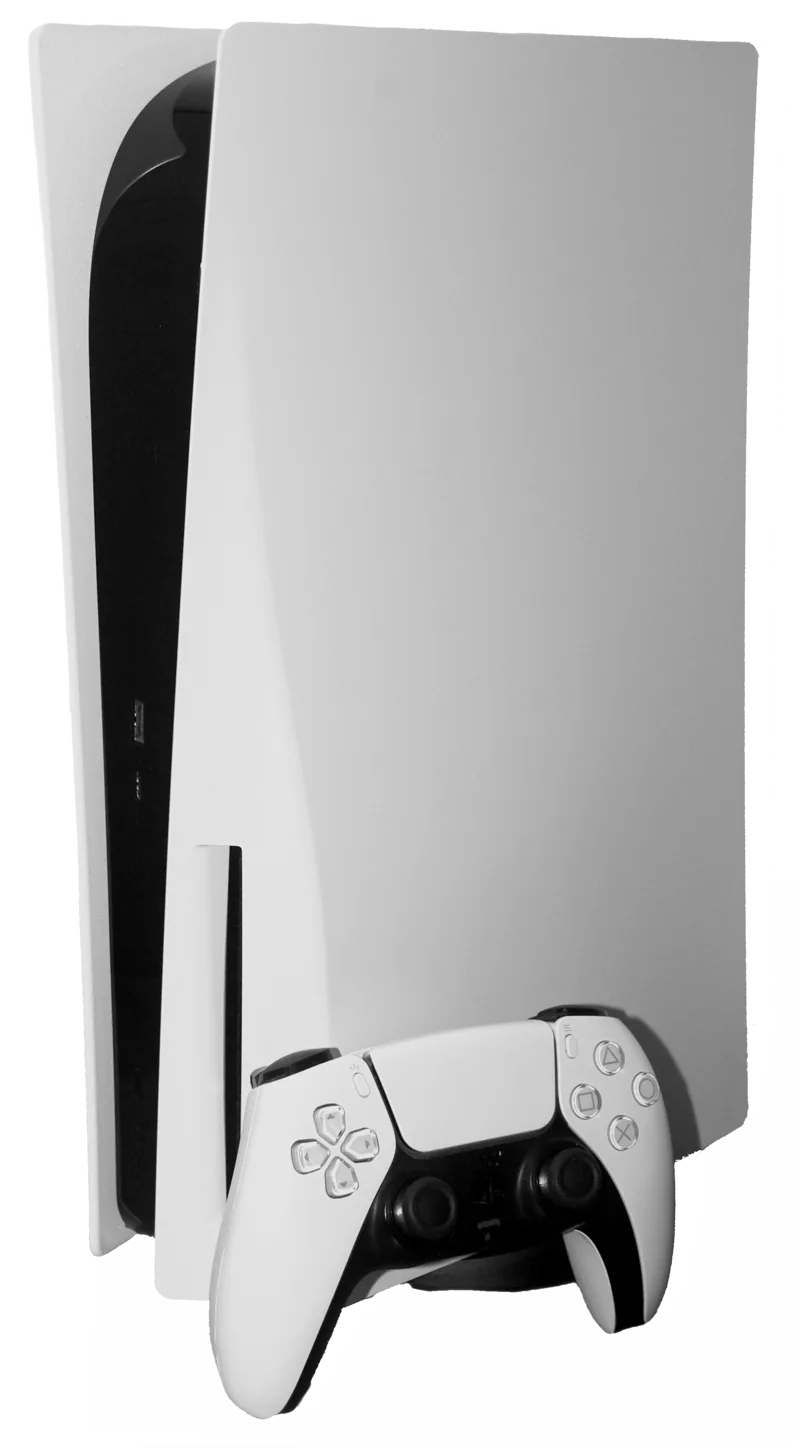
Every console generation pushes the format question further toward digital: disc drives quietly disappear from cheaper console variants, physical game releases shrink for smaller and mid-tier titles, and digital storefronts run frequent sales that undercut retail disc pricing. Buying a disc still works, and plenty of players prefer it, but the practical case for each format has shifted enough that the decision deserves a fresh look rather than relying on assumptions from a console generation or two ago.
What you actually own with each format
A physical disc is, legally and practically, closer to actual ownership than most people realize once they think it through: it can be resold, lent to a friend, traded in, or played on a different console entirely as long as the account tied to any online features isn't a blocker. A digital purchase, by contrast, is technically a license to access the game through a specific storefront account, tied to the platform's terms of service, which can theoretically be revoked, and which almost never comes with any resale or transfer right. This distinction matters more in edge cases than day to day: most people never try to resell a digital game license, and platform shutdowns that actually remove access to purchased digital games remain rare events rather than common occurrences. But it's a real structural difference worth understanding, particularly for anyone building a large, long-term game library they expect to still access a decade from now.
The price and sales picture has flipped in some cases
For years, physical discs were reliably the cheaper option once a game aged past its launch window, showing up in bargain bins and used-game sections at prices digital storefronts wouldn't match. That's less consistently true now. Digital storefronts run deep, frequent sales, sometimes matching or beating used physical pricing on older titles, and some platforms' seasonal sales events have become genuinely competitive with secondhand disc pricing. Where physical retains a clear price advantage is in the used and trade-in market specifically, buying a disc someone else already finished and reselling it later, a cycle that has no real digital equivalent since there's essentially no secondary market for used digital licenses on major platforms. Anyone price-sensitive and willing to buy and sell physical copies as they finish games can still come out ahead of digital-only buying, though it requires more active management than simply waiting for a digital sale.
Storage and disc drives are the real friction point
Physical games on current-generation consoles still require installing most or all of the game's data to internal or expansion storage before playing, since discs are used more as a license-check and partial data source than as the primary place the game runs from, meaning the storage-space argument that used to favor physical media has mostly disappeared. What hasn't disappeared is the practical value of a disc as backup access when storage is genuinely full: swapping which disc-based game currently occupies drive space is trivial compared to redownloading a hundred-gigabyte digital purchase from scratch, a distinction that becomes more relevant as game install sizes keep growing and storage capacity remains a real budgeting constraint on both consoles and gaming PCs. Meanwhile, the disc-drive-less digital editions of current consoles, sold at a discount versus the disc-equipped version, commit buyers permanently to the digital-only path for that specific console, worth factoring into a purchase decision since there's no retrofitting a drive onto those models later.
Where subscriptions change the calculation entirely
Subscription services complicate the digital-versus-physical framing further, since a meaningful share of what people play today isn't purchased in either format but accessed through a rotating subscription catalog instead. That shifts the real comparison for a lot of buyers away from "disc or digital purchase" and toward "buy outright or access through a subscription," which is a genuinely different tradeoff covered in more depth in our comparison of Xbox Game Pass, PlayStation Plus, and Nintendo Switch Online. For games available on a subscription a player is already paying for, the ownership question becomes almost moot for as long as that subscription stays active, since neither a disc nor a standalone digital purchase is being made at all. Big first-party exclusives and newly released blockbuster titles are less likely to be included in subscription catalogs at launch, which is where the digital-versus-physical purchase decision still matters most directly.
Making the actual decision
For most players, the practical answer comes down to a few concrete questions rather than a blanket format preference: does the console being used still have a disc drive at all, does the player have a habit of reselling or trading games in once finished, and does having games instantly available without a disc swap matter enough to offset losing resale value. Handheld and portable-focused platforms, including devices like Steam Deck, push the decision further toward digital by default given the format's design, while a household with multiple people sharing a single disc-based console library still gets genuine value from physical media's easy loan-and-swap flexibility that digital licenses generally don't replicate. There's no universally correct answer left the way there arguably was a console generation or two ago; it genuinely depends on how someone actually plays, trades, and stores their games, and which console hardware they've chosen, including whether it was a full-price model like the higher tier PS5 Pro or a disc-less, digital-only console variant from the outset.
What backward compatibility changes about the decision
One factor that quietly favors physical media more than people expect is backward compatibility. Modern consoles increasingly support playing discs and digital purchases from a previous generation, and a physical disc from an older console generation can sometimes still be resold, lent, or played on newer hardware with the original disc in hand, provided the new console still includes a drive. A digital library, by contrast, is generally portable only within the same platform ecosystem and account, meaning a large digital collection built up on one console generation carries forward cleanly only as long as that same company's ecosystem and account system remain intact and that specific console model still includes the means to verify ownership, which digital-only editions handle automatically but disc-based backward compatibility depends on having compatible hardware with a drive. For collectors specifically interested in preserving access to older games over very long timeframes, this is one of the more concrete practical arguments still favoring physical media, separate from any nostalgia or shelf-display appeal a physical collection also carries for many players.
Physical media hasn't become pointless, and digital hasn't become a trap; both simply serve different practical needs better than they did a few years ago, and the right choice now depends far more on individual buying and playing habits than on which format is objectively "better" in the abstract.