PS5 Pro vs Xbox Series X: Which Console Actually Justifies Its Price
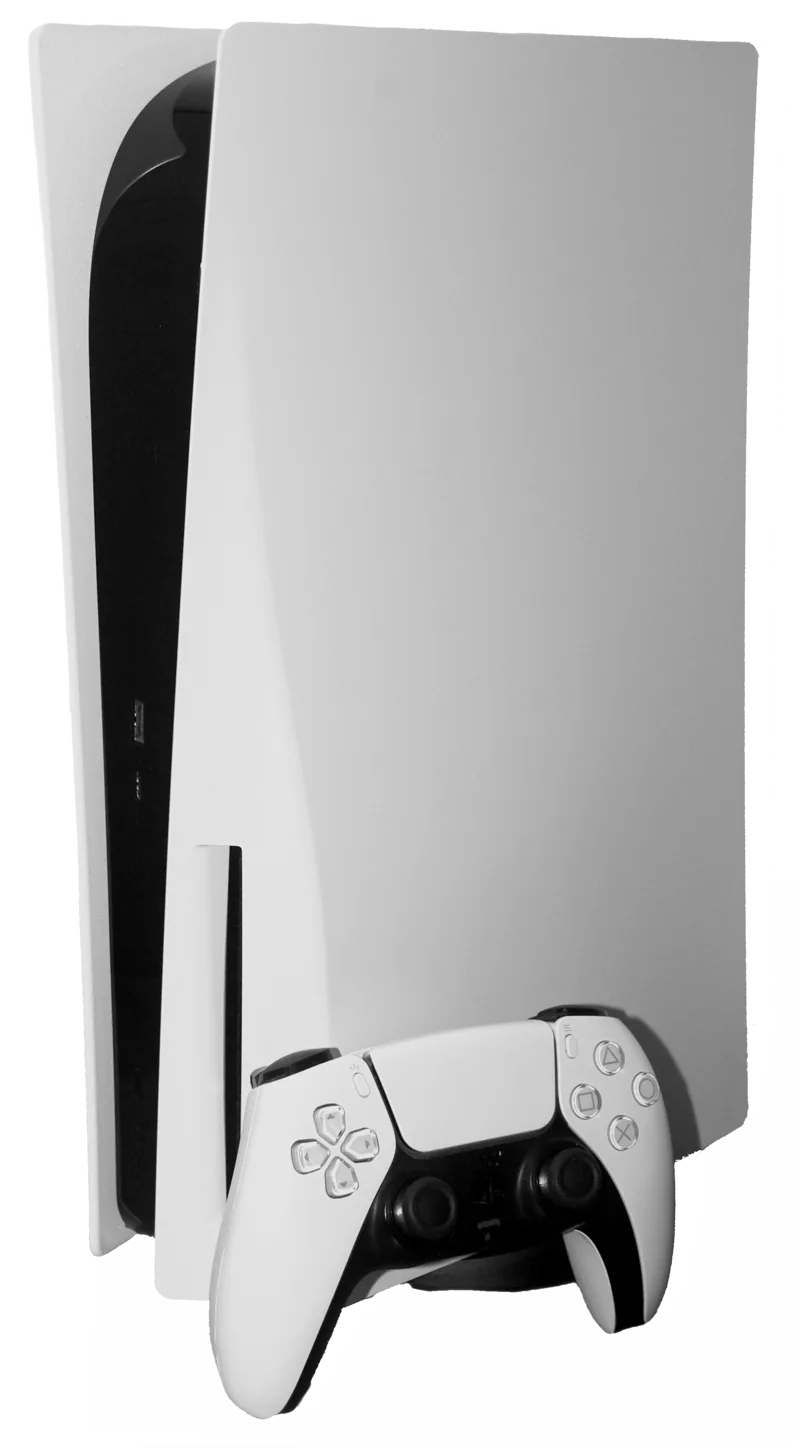
Console generations used to be simple: a new box came out, it was strictly better than the last one, and the choice was mostly about which exclusive games you cared about. The PS5 Pro complicates that formula by being a mid-generation upgrade rather than a full new console, priced high enough that the actual value question — is this worth it over a standard PS5 or an Xbox Series X — deserves a real answer instead of a marketing one.
What the PS5 Pro actually adds over a standard PS5
The PS5 Pro's core pitch is better performance in existing and future games without waiting for a full next-generation console. Its upgraded GPU and AI-based upscaling technology let supported games run at higher resolutions and frame rates than a standard PS5 can manage, particularly in titles that previously forced a choice between a "performance mode" with lower resolution and a "quality mode" with a lower frame rate. On the PS5 Pro, more games can offer both simultaneously, which is a genuinely meaningful upgrade for anyone who's felt that tradeoff acutely in a demanding game.
The catch is that this benefit is entirely dependent on individual game patches. A game has to be specifically updated to take advantage of the PS5 Pro's extra hardware; without that patch, you're running the exact same experience as a base PS5, just on more expensive hardware. Sony has a growing but still incomplete list of supported titles, and buyers should check that list against the games they actually play before assuming the upgrade applies everywhere.
What the Xbox Series X offers instead
The Xbox Series X takes a different position entirely: rather than a mid-generation premium upgrade, it's Microsoft's standard current-generation console, priced meaningfully below the PS5 Pro, with performance that sits between a base PS5 and the PS5 Pro depending on the specific game and how well it's optimized for each platform. Its most significant value argument isn't raw hardware at all — it's Xbox Game Pass, a subscription service that gives access to a large, rotating library of games, including first-party Microsoft titles on the day they release, without buying each one individually.
For anyone who plays a wide variety of games rather than a small number very intensely, Game Pass can make the Series X the better value purchase even with less raw horsepower, simply because the ongoing cost of building an equivalent game library on PlayStation is substantially higher over a few years of ownership.
Exclusive games still decide this for most people
Hardware specifications aside, console purchases are still driven mostly by exclusive titles, and that hasn't changed with this generation. PlayStation's exclusive lineup leans toward narrative-driven single-player games that have defined the platform's identity for years, and the PS5 Pro is the best way to play those specific games at their best visual fidelity. Xbox's exclusive strategy has shifted significantly toward day-one Game Pass availability for its first-party titles rather than console-exclusive blockbusters in the traditional sense, which changes the calculation: you're paying for access to a library rather than paying more for hardware that runs a smaller set of showcase titles slightly better.
Storage, price, and the real cost of ownership
Both consoles ship with fast SSD storage that dramatically cut loading times compared to the previous console generation, though the PS5 Pro includes more storage in its standard configuration, which matters given how large modern game installations have become. The PS5 Pro's price premium over the Series X is substantial, and that gap doesn't shrink once you factor in that the Pro's disc drive is typically sold separately as an add-on for anyone who wants physical media support, an extra cost the Series X doesn't impose in the same way.
Ongoing costs diverge too: PlayStation Plus and Xbox Game Pass Ultimate are both subscription tiers with online multiplayer access, but Game Pass Ultimate's day-one game library access gives it a stronger ongoing value case for buyers who don't already own a large existing game library on either platform.
Controllers and the feel of actually playing
The DualSense controller remains one of the PS5 ecosystem's most distinctive advantages, with haptic feedback and adaptive triggers that supported games use to genuinely change how combat, driving, or environmental interaction feels in your hands — pulling a bowstring or feeling individual raindrops through the controller isn't a gimmick reviewers made up, it's a real part of why certain PlayStation exclusives feel distinct. The PS5 Pro doesn't change the controller experience over a base PS5, but it inherits all of that same feature set. The Xbox Series X controller is more conventional: comfortable, reliable, broadly compatible with PC as well, but without an equivalent to the DualSense's haptic sophistication. For some players that's irrelevant; for anyone who's actually felt the difference in a supported game, it's a meaningful part of the PlayStation case.
Backward compatibility and your existing library
Both consoles handle backward compatibility well relative to older console generations, letting you carry forward a library built on the previous hardware rather than starting over. The PS5 Pro runs the existing PS5 and most PS4 library, with performance improvements in some backward-compatible titles depending on patch support, similar to the pattern with new games. Xbox Series X goes a generation further back in practice, with broad compatibility across Xbox One and, for a large catalog of titles, original Xbox and Xbox 360 games as well — a genuine advantage for anyone with a long-standing Xbox library who doesn't want that history to become unplayable.
The actual recommendation
Buy the PS5 Pro if you're already invested in PlayStation exclusives, want the best possible visual performance in supported games, and don't mind paying a premium for hardware that only shows its full advantage in a growing but still partial game library. Buy the Xbox Series X if you value access to a broad, regularly refreshed game library over squeezing the most visual fidelity out of a smaller set of showcase titles, or if the price difference matters more to you than the hardware gap. For most people building a game library from scratch today, the Series X's value case is stronger; for PlayStation loyalists who already know which exclusives they want to play at their best, the Pro's premium is easier to justify.