Laptop Memory Explained: LPDDR5X vs DDR5, and Why You Can No Longer Upgrade RAM Yourself
Buy a thin-and-light laptop today, from an ultraportable Windows machine to any current MacBook, and there's a good chance you can't add more RAM to it later, ever. That's a real change from a decade ago, when a laptop's memory almost always lived in small, replaceable sticks that a reasonably confident owner could pop out and upgrade with a screwdriver. The shift is tied directly to a memory technology called LPDDR5X, which has become the default in thin laptops precisely because of the tradeoff it makes: better battery life and a smaller footprint, at the cost of that memory being soldered to the motherboard permanently at the factory.
What actually separates LPDDR5X from regular DDR5
Standard DDR5, the kind still found in most desktop PCs and a shrinking number of laptops, is designed primarily around raw performance and modularity, memory sticks that slot into standardized connectors and can be swapped or upgraded independently of the motherboard. LPDDR5X, where the "LP" stands for low power, is a parallel standard designed from the ground up for battery-powered devices. It runs at meaningfully lower voltage than standard DDR5, uses a different, more compact physical packaging that sits directly on or extremely close to the processor package rather than in a separate socket, and includes power-management features like more aggressive self-refresh modes that let idle memory draw almost no power. The tradeoff for all of that efficiency is that LPDDR5X's physical design isn't compatible with a swappable slot the way traditional DIMM-based memory is; the short, direct traces between the memory chips and the processor that make it fast and power-efficient are exactly what makes it impossible to socket.
Why laptop makers chose this tradeoff
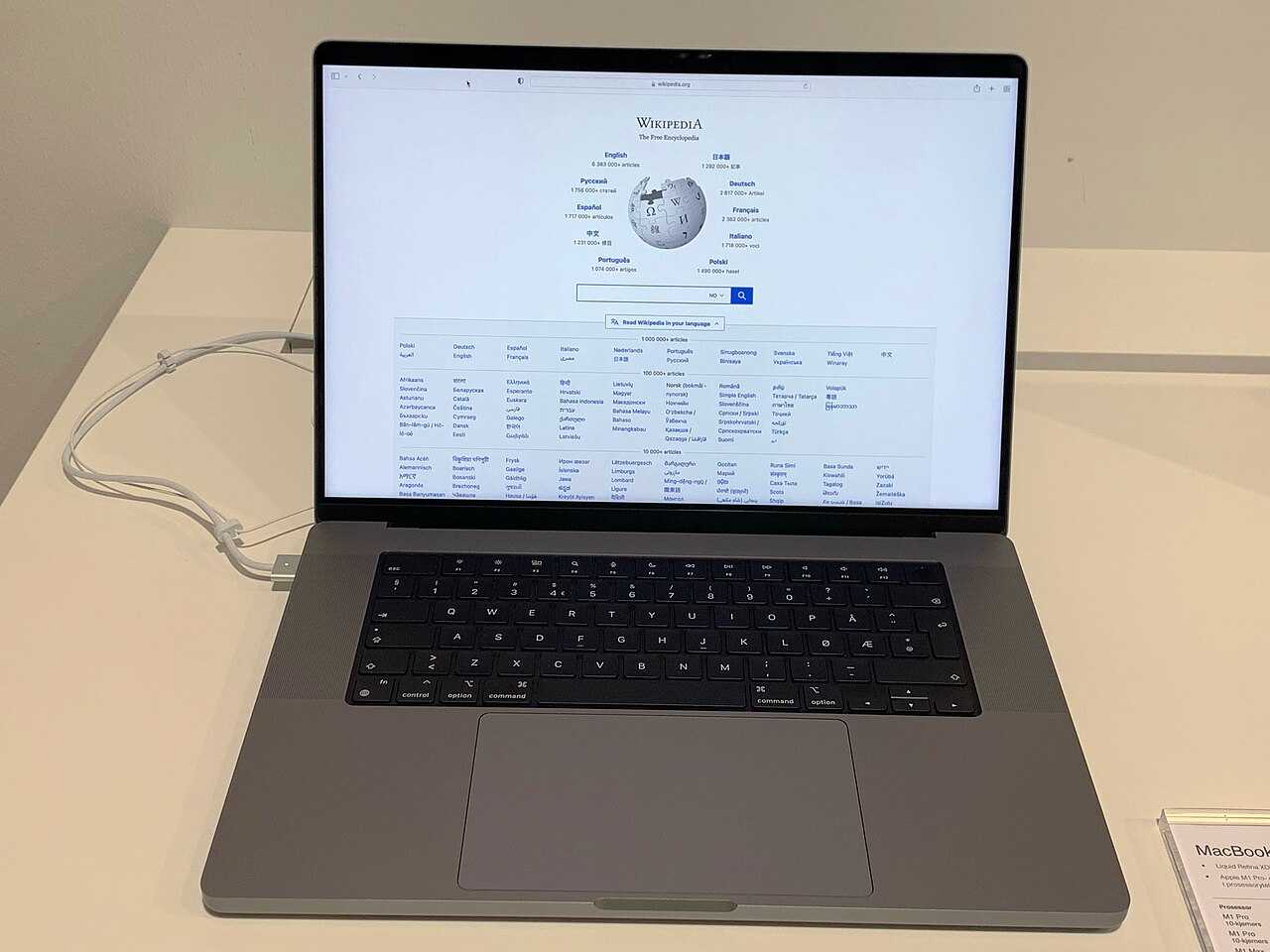
The efficiency gain from LPDDR5X isn't marginal. Memory that sits closer to the processor and runs at lower voltage measurably extends battery life, particularly during light, everyday tasks like web browsing and document editing where memory is being accessed constantly but the CPU itself isn't under heavy load. It also allows for thinner laptop designs, since a socketed DIMM slot requires physical clearance that a soldered chip package doesn't. This is a big part of why Apple's Silicon MacBooks, which prioritize battery life and thinness above almost everything else, use soldered memory exclusively and always have, and why Windows laptop makers building thin ultraportables, including many Copilot+ PCs built around Arm-based chips, have followed the same path. It's a genuinely different set of priorities than a gaming laptop or a workstation, where the manufacturer is optimizing for raw performance and, in some cases, still leaves room for upgradable memory precisely because battery life and slimness aren't the primary selling point.
What you actually lose by buying soldered memory
The obvious downside is that whatever RAM capacity you buy the laptop with is permanent. There's no adding 16GB later if 8GB starts to feel tight, no swapping in cheaper aftermarket memory instead of paying the manufacturer's marked-up upgrade pricing at checkout, and no extending the useful life of an otherwise capable laptop a few years down the line simply by adding memory the way you might with an older machine or a desktop tower. This makes the buying decision at the point of purchase considerably higher stakes than it used to be, since choosing the right amount of RAM up front is now a one-time decision rather than something correctable later. It's worth budgeting for more memory than feels strictly necessary today if the laptop is expected to last several years, since the alternative to buying enough now is simply living with an underpowered machine or replacing it entirely once its fixed memory capacity becomes the bottleneck.
Why performance isn't actually worse, despite being soldered
It's a common assumption that soldered memory must be a downgrade in every respect, but that isn't accurate from a pure performance standpoint. LPDDR5X's short physical distance to the processor and tightly controlled signal paths actually enable higher effective bandwidth in many configurations than a socketed DIMM setup can reliably achieve, since a removable slot connector inherently introduces more electrical noise and signal loss than a fixed, engineered-together package. Some of the fastest memory bandwidth figures in any consumer laptop today come from LPDDR5X configurations specifically because the soldered design allows for tighter engineering tolerances. The real cost isn't speed, it's flexibility: a socketed system can be revised after purchase, while a soldered system is exactly what it was configured as on day one, for better or worse, which matters more for capacity planning than for benchmark numbers.
What to check before buying
Given that memory capacity is now effectively a permanent decision on most modern thin laptops, it's worth explicitly confirming a laptop's memory configuration before purchase rather than assuming it can be adjusted later the way storage sometimes still can be on select models. Manufacturer spec sheets and retailer listings should specify the RAM type, but "upgradeable" or "user-replaceable" language, when present, is the clearest signal a given model is one of the shrinking number of laptops still using traditional socketed memory rather than soldered LPDDR5X. For most mainstream buyers prioritizing battery life and portability, soldered LPDDR5X memory is simply the reality of how modern thin laptops are built, similar to how choosing the right MacBook Pro configuration means locking in memory and storage decisions at checkout rather than treating them as something to revisit down the line. The right response isn't avoiding LPDDR5X laptops entirely, it's treating the memory configuration at checkout with the same seriousness as the processor choice, since both are effectively permanent.
LPDDR5X becoming the default in thin laptops is a genuine engineering tradeoff, not simply a cost-cutting move dressed up as an efficiency story, even though it undeniably also saves manufacturers money on assembly. It buys real battery life and design flexibility at the cost of a flexibility buyers used to take for granted, and understanding that tradeoff is the difference between feeling blindsided by a fixed 8GB configuration two years in and simply buying the right amount of memory the first time.