Megapixels vs Sensor Size: What Actually Makes a Phone Camera Good
Every phone launch repeats the same ritual: a spec sheet listing a "200MP main camera" or a "50MP ultra-wide," as if the megapixel count alone settled the question of image quality. It doesn't. Megapixels measure how many individual pixels a sensor can record, not how much light each of those pixels actually captures, and light — not pixel count — is the raw material a camera works with. Understanding the difference between megapixels and sensor size explains why a three-year-old flagship can still out-photograph a brand-new budget phone with a higher resolution number on the box.
What a megapixel actually measures
A megapixel is one million individual light-sensing points on a camera sensor. A 12-megapixel sensor has roughly 12 million of these points, called photosites, each one eventually producing one pixel in the final image. More megapixels mean more spatial detail is theoretically available — useful for cropping in tightly or printing very large — but that detail only shows up if each photosite is still large enough to gather enough light to produce a clean signal. Cram 200 million photosites onto a sensor the size of a fingernail and each individual photosite has to shrink dramatically to fit, which is exactly what most high-megapixel phone cameras do.
Why sensor size matters more than the pixel count
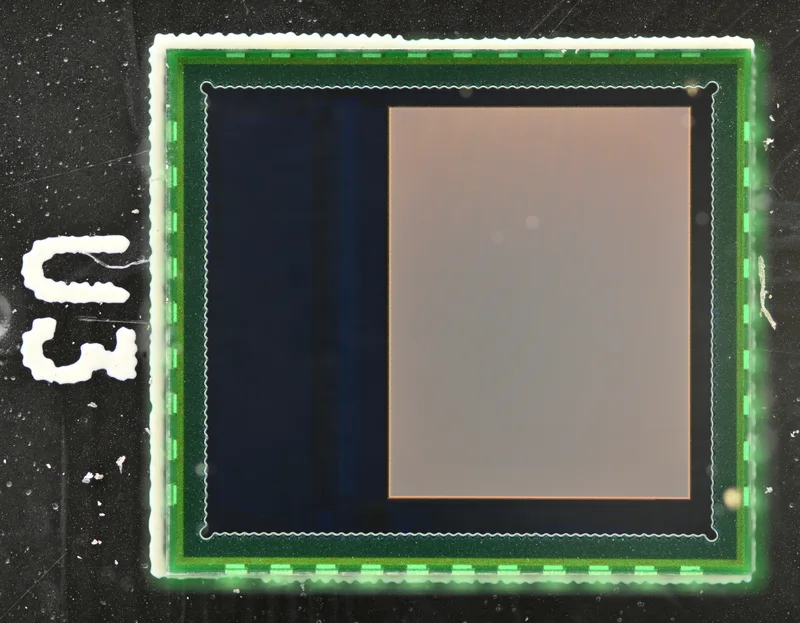
Sensor size is the physical area of the chip that receives light through the lens, usually described with fractional numbers like 1/1.3-inch or 1/2.76-inch — the larger the denominator relative to the numerator, the smaller the sensor. A bigger sensor can either use larger individual photosites (each one capturing more photons per shot, producing less noise and better dynamic range) or pack in more of them at a still-usable size. This is why camera enthusiasts talk about sensor size before megapixels: a 50MP sensor that is physically twice the area of another 50MP sensor will almost always produce cleaner, more detailed images, especially once the light gets dim.
Pixel binning: how phones cheat the megapixel race
Most high-megapixel phone sensors don't actually shoot at their full resolution by default. Instead they use a technique called pixel binning, grouping clusters of four, nine, or sixteen adjacent tiny photosites into one larger "super pixel." A 200MP sensor binned 16-to-1 effectively becomes a 12.5MP sensor with much larger, more light-sensitive combined pixels, which is why most binned shots actually look better than a genuine full-resolution shot from the same hardware in anything but bright daylight. The huge number on the spec sheet is real, but the camera is quietly not using it most of the time — and that's usually the right call for image quality.
Aperture and lens quality still decide a lot
Sensor size sets the ceiling for how much light can land on the chip, but the lens in front of it decides how much of that available light actually gets through and how sharply it's focused. A wider aperture (a lower f-number) lets in more light per unit of time, which matters enormously in dim rooms or at night. Lens quality — how well it resolves detail at the edges of the frame, how it handles flare from streetlights, how consistent it is corner to corner — varies enormously between phone makers even when the underlying sensor is identical, because several manufacturers license the same sensors from Sony or Samsung and pair them with very different optical assemblies.
Computational photography fills in the rest
None of this happens in isolation anymore. Modern phones run substantial image-processing pipelines after the shutter fires: merging several frames shot in rapid succession to reduce noise, aligning and blending exposures for high dynamic range, and applying machine-learning models trained to sharpen detail or correct skin tones. This is why two phones with near-identical camera sensors can produce noticeably different photos — the processing pipeline, not just the hardware, does a large share of the final work. It's also why a phone's camera app can improve meaningfully through a software update with no hardware change at all, something covered in more detail in our guide to how phone chipsets handle image processing.
Where megapixels genuinely do matter
None of this means megapixel count is meaningless. Higher resolution genuinely helps in two specific situations: digital zoom, where cropping into a high-res image preserves more usable detail than cropping into a low-res one, and periscope telephoto systems, where the physical zoom range is fixed by the lens and extra resolution lets software "zoom past" that point with less quality loss. That's part of why periscope zoom cameras on flagship phones often pair a moderate-resolution telephoto sensor with aggressive computational cropping rather than chasing a huge megapixel number on the zoom lens itself.
How to actually judge a phone camera before buying
Spec sheets alone won't tell you which phone takes better photos, but a few things are worth checking. Look up the actual sensor size, not just the megapixel count — a 1/1.3-inch or larger main sensor is a meaningfully better light-gathering starting point than the roughly 1/2.7-inch sensors common on cheaper phones. Read or watch real low-light comparisons rather than trusting daylight sample shots, since daylight is forgiving to almost any camera and differences show up mainly once the light drops. And weight ultra-wide and telephoto cameras separately from the main sensor, since manufacturers frequently pair an excellent primary camera with a noticeably weaker secondary sensor to keep the bill of materials down. Our comparison of iPhone 16 Pro and Galaxy S24 in low light is a good example of how two well-regarded flagship cameras can diverge once the sun goes down, despite both posting competitive megapixel numbers on paper.
The bottom line
Megapixel count is one input among several, and on its own it's a weak predictor of photo quality. Sensor size determines how much light a camera can physically gather, aperture and lens quality determine how efficiently that light reaches the sensor, and computational photography determines how well the phone turns that raw data into a finished image people actually want to look at. The next time a phone launches with a triple-digit megapixel claim, treat it as one data point, not the headline. The photos that end up looking good on a wall-mounted print or on a dim restaurant table almost always come down to sensor size and processing, not the number printed on the box.