iPhone 16 Pro vs Samsung Galaxy S24: Which Camera Wins in Low Light
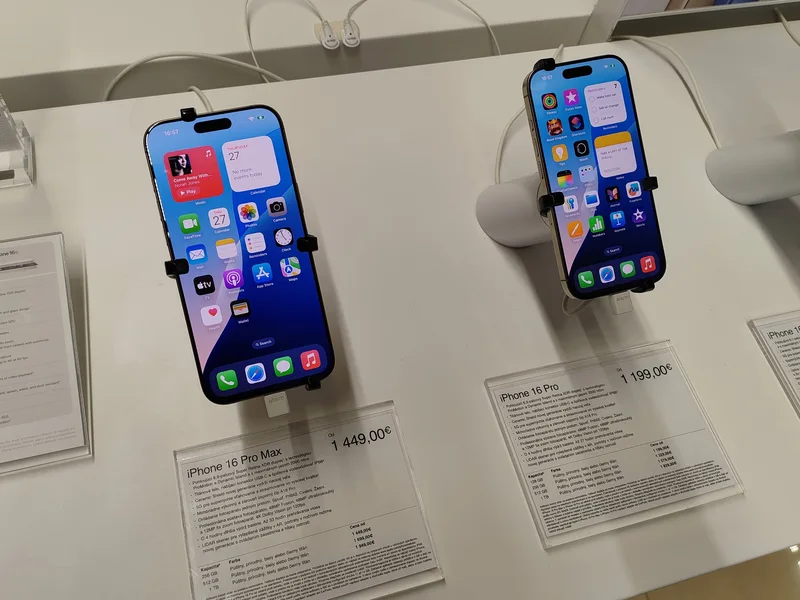
Low-light photography has become the single most-cited reason people upgrade their phone, and for the last two years the argument has really come down to two cameras: Apple's iPhone 16 Pro and Samsung's Galaxy S24. Both companies market night performance aggressively, both ship multiple rear lenses with dedicated night modes, and both have loyal owners who insist their phone is clearly better after dark. The honest answer is that the winner depends on what "better" means to you — accuracy, punch, or usability — and the two companies have made different bets on all three.
How each phone actually captures a dark scene
The iPhone 16 Pro leans on Apple's Photonic Engine, a computational pipeline that fuses multiple exposures earlier in the processing chain than older iPhones did, before heavy noise reduction and sharpening are applied. The practical effect is a low-light photo that looks closer to what your eyes actually saw: shadows stay believably dark, skin tones don't get pushed warm, and fine detail like brick texture or fabric weave survives instead of turning into a smudge. It's a restrained, almost documentary style of night photography, and Apple has stuck with that philosophy since it introduced Night mode.
The Galaxy S24, by contrast, uses Samsung's own multi-frame processing tuned toward brightness and clarity first. Point it at the same dim room and the S24 will typically produce a photo that looks noticeably brighter than what you actually saw, with shadows lifted and highlights controlled so nothing blows out. It's an effective trick for a phone screen or a social feed, where a brighter photo reads as a "better" photo at a glance, even if it's less faithful to the actual scene.
Where the iPhone 16 Pro pulls ahead
Detail retention is the iPhone's strongest low-light card. Photograph a dimly lit bookshelf or a menu at a candlelit restaurant and the 16 Pro tends to keep text legible and textures intact well past the point where the Galaxy S24 starts smoothing detail into a soft, slightly plasticky blur. Apple's approach to noise reduction is more conservative — it would rather leave some visible grain in a photo than erase real detail along with the noise, and in side-by-side crops that shows up clearly.
Color accuracy under mixed lighting is the other place the iPhone tends to win. Restaurants and bars often mix warm tungsten bulbs with cooler LED strip lighting, a combination that confuses a lot of phone cameras into picking one white balance and getting everything else wrong. The 16 Pro's processing is noticeably better at handling that mix without giving the whole photo an orange or blue cast.
Where the Galaxy S24 pulls ahead
Raw brightness is the S24's advantage, and it matters more than camera reviewers sometimes give it credit for. In a genuinely dark room — not dim, actually dark — the Galaxy S24 will often produce a usable, well-exposed photo where the iPhone 16 Pro's more conservative processing leaves you with something noticeably darker and grainier. If your priority is "can I even see what's in this photo," Samsung's brighter-first philosophy wins outright in the darkest scenes.
The S24's night mode is also faster to produce a result and more forgiving of a slightly shaky hand, since Samsung's stabilization and frame-merging algorithm tolerates more movement between frames before the final image starts showing ghosting artifacts around moving subjects. If you're photographing kids or pets in low light, that forgiveness is worth a lot in practice, even if the pixel-level result is technically softer.
Selfies and video tell a different story
Low-light selfies flip the comparison somewhat. The Galaxy S24's front camera uses more aggressive skin smoothing by default, which some people prefer and others find distractingly artificial in party or bar photos. The iPhone's front camera keeps more texture, for better or worse, and its Night mode selfie support has historically lagged behind Samsung's, meaning genuinely dark selfies can come out softer on the iPhone than in Samsung's marketing suggests they should.
Video is where the gap widens in Apple's favor. The iPhone 16 Pro's Action mode and its overall video pipeline handle low-light motion — walking through a dim restaurant, a dark concert — with less visible frame lag and smoother exposure transitions than the Galaxy S24 manages in its equivalent video modes. If low-light video matters more to you than low-light stills, that's a meaningful factor.
Telephoto low light is where both phones struggle
Zoomed-in low-light shots are the weak point for both cameras, just in different ways. The iPhone 16 Pro's 5x telephoto lens has a smaller aperture than its main sensor, which means less light reaches the sensor to begin with — in practice that means zoomed shots after dark get noticeably softer and noisier than the main camera's output, even with computational help. Samsung's approach on the Galaxy S24 is similar: the telephoto lens is capable in daylight but leans hard on digital processing once the light drops, and past about 3x zoom in a dim room, both phones start producing images that look more like a lightly-detailed painting than a photo. If low-light zoom shots — a stage, a distant subject at a dimly lit event — are a priority for you, neither phone will fully satisfy, and you should temper expectations regardless of which one you choose.
Portrait mode after dark is a related weak spot. Both phones rely on depth estimation that gets less reliable as available light drops, and it shows: edge detection around hair and glasses gets rougher, and the background blur can look uneven in ways that are easy to miss on a phone screen but obvious once you view the photo larger. The iPhone's portrait processing is slightly more conservative and therefore slightly more consistent in bad light, but the difference is smaller here than it is in ordinary night shots.
Price and how much this one feature should weigh in your decision
Both phones sit in the same premium price bracket, and low-light camera performance is realistically one of five or six factors — display, battery life, software support length, ecosystem, and price — that should go into an actual purchase decision. If camera quality after dark is the deciding factor and you photograph mostly indoor scenes with some ambient light, the iPhone 16 Pro's detail-first approach is the safer pick. If you regularly find yourself in genuinely dark venues and want a phone that produces a usable, shareable photo without extra effort, the Galaxy S24's brighter default output does more of the work for you. Neither choice is a mistake; it comes down to which failure mode — "too dark to see" or "too processed to look real" — bothers you less.
So which one should you actually buy for this reason alone
If you mostly shoot indoors — dinners, bars, living rooms with lamps rather than overhead lights — the iPhone 16 Pro's more accurate, detail-preserving approach will serve you better and age better in photos you keep. If you're regularly in genuinely dark environments and want a photo that's usable first and accurate second, the Galaxy S24's brighter, more forgiving processing has a real edge. Neither phone is bad at this; the difference is closer to a stylistic choice than a hardware gap, which is exactly why this debate hasn't been settled by a single generation on either side.