Phone Chipsets Explained: Snapdragon vs Dimensity vs Apple's Chips, and Why It Actually Matters
Every phone spec sheet lists a chipset name, Snapdragon 8 Elite, Dimensity 9400, Apple's latest silicon, and most buyers skim past it toward the camera megapixels or the battery number instead. That's a mistake, because the chipset is the single component that determines almost everything else about how a phone actually feels to use: how fast apps open, how long the battery lasts under real load, how well the camera processes a photo the instant after you press the shutter, and how many years of software updates the phone is even capable of running smoothly. Understanding what's actually inside a system-on-chip and how the major players differ turns a confusing string of model numbers into a genuinely useful buying signal.
What a phone chipset actually contains
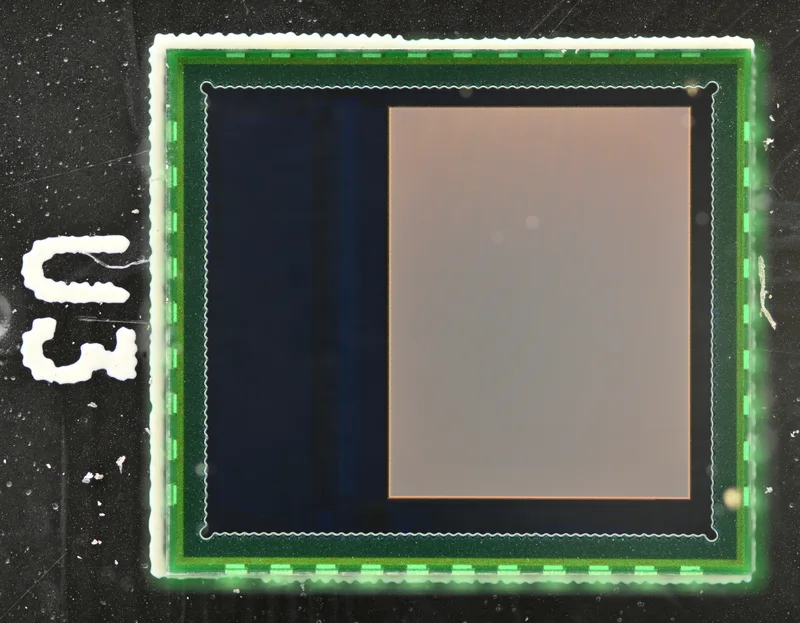
A phone chipset, more accurately called a system-on-chip or SoC, isn't a single processor the way a desktop CPU is. It's a whole collection of specialized processors fused onto one piece of silicon: a CPU cluster for general computing, a GPU for graphics and display rendering, an image signal processor that does the heavy lifting behind every photo, a dedicated AI accelerator often called a Neural Processing Unit, and in most designs a cellular modem for connecting to the network. All of that has to fit into a space smaller than a fingernail and run on a battery, which is why phone chip design is as much about power efficiency as raw speed, a very different priority than a desktop or gaming laptop chip that can lean on a wall outlet and a large cooling system.
CPU design: performance cores and efficiency cores
Modern phone CPUs almost universally use a mixed-core design rather than several identical cores. A handful of larger, faster cores handle demanding tasks, opening a heavy app, a burst of gaming, while a larger group of smaller, efficiency-focused cores handle everything else, scrolling, checking notifications, background syncing, using a fraction of the power. The operating system constantly shifts work between these core types without the user noticing, and how well a chipmaker tunes that balance has a bigger effect on all-day battery life than the raw core count ever does. This is also why two phones with what looks like a similar core count on paper can behave very differently in daily use, the tuning matters as much as the silicon itself.
Qualcomm Snapdragon vs MediaTek Dimensity vs Apple's silicon
Qualcomm's Snapdragon line, especially the flagship 8-series, ships in the majority of premium Android phones sold outside of Samsung and Google's own chips, and it's generally the safest bet for broad app compatibility and strong sustained gaming performance. MediaTek's Dimensity line has closed the gap dramatically over the past several generations, and its flagship-tier chips now trade blows with Snapdragon on both raw benchmarks and efficiency, while its mid-range Dimensity chips have become genuinely competitive in phones at much lower prices than an equivalent Snapdragon-powered device. Apple takes a different path entirely: because it designs both the chip and the operating system, it can extract more real-world performance per watt than the raw specs suggest, which is a meaningful part of why a modern iPhone can process complex computational photography in the instant after the shutter press without the phone visibly slowing down elsewhere.
The GPU matters more than people assume
The graphics processor built into the chipset isn't just for gaming. It renders the entire interface, accelerates video playback and editing, and increasingly handles parts of computational photography and on-device AI processing. Qualcomm's Adreno GPUs and MediaTek's Immortalis and Mali-based GPUs have both made large strides in ray tracing support and sustained performance under load, closing a gap that used to favor Apple's custom GPU design by a wide margin. For anyone who games heavily on their phone, GPU performance under a sustained 20-minute session, not the peak burst number in a marketing slide, is the number that actually predicts real-world frame rates and heat.
Why the on-chip AI accelerator increasingly matters
Nearly every current flagship chipset now includes a dedicated NPU built specifically to run AI workloads efficiently, things like real-time photo processing, voice transcription, and on-device language features, without draining the battery the way running the same task on the CPU or GPU would. This is the same underlying shift covered in our explainer on on-device AI and what actually runs locally on your phone, and it's becoming one of the more meaningful differentiators between chip generations, since a stronger NPU is often what determines whether a new on-device AI feature can even run on a given phone at all, regardless of how much RAM or storage it has.
The modem: the part nobody talks about
Buried inside most chipsets is the cellular modem, responsible for the actual 5G connection, and it varies more between chip generations than most buyers realize. A stronger modem generally means better signal in weak-coverage areas, faster real-world download speeds, and better battery efficiency while connected, even when two phones are sitting on the same network. It's rarely benchmarked or advertised clearly, but anyone in an area with inconsistent coverage will notice the difference between a strong and a mediocre modem far more than they'll notice a CPU benchmark score.
Flagship, mid-range, and why naming gets confusing
Qualcomm and MediaTek both use numbering systems that reset or shift meaning between generations, an 8-series Snapdragon or a 9000-series Dimensity generally signals flagship-tier performance, while 7-series and 6000-series chips are genuinely capable mid-range parts, not just cut-down flagships. Apple avoids this confusion by using largely the same chip generation across its entire lineup in a given year, differentiating primarily through which specific configuration, GPU core count, and thermal design each model gets, which is part of why a base model and a Pro model can perform closer to each other than their price difference suggests, a dynamic explored further in our practical guide to how much RAM and storage you actually need in a phone, since the chipset and memory configuration together determine real-world responsiveness far more than either spec alone.
What actually matters when you're buying
Rather than memorizing chip model numbers, the more useful approach is checking independent sustained-performance benchmarks rather than peak burst scores, confirming how many years of major OS updates the manufacturer has committed to for that chip generation, and treating the chipset as a rough proxy for how long the phone will feel fast rather than just how fast it feels on day one. That longevity angle connects directly to our broader guide on how long a phone should actually last before upgrading, since a phone built on a strong, efficient flagship chipset generally ages into years four and five far more gracefully than one built on a chip that was already straining to keep up on day one. The chipset won't show up in a store display or a marketing photo, but it's quietly doing more to determine how a phone feels in six months than almost any other spec on the page.