Samsung Galaxy S24 vs Xiaomi 14: Flagship Camera Showdown
Samsung and Xiaomi took genuinely different bets on what a flagship camera should optimize for in 2024, and the Galaxy S24 versus Xiaomi 14 comparison is one of the clearer illustrations of that split. Samsung leaned into AI-assisted computational range — huge digital zoom, aggressive scene detection, generative editing tools baked into its own gallery app. Xiaomi, through its continued partnership with Leica, leaned into optical tuning and color science, chasing a more "camera-first" look rather than a phone-first one. Both are excellent daily shooters. They just disagree about what "excellent" should mean.
The hardware on paper
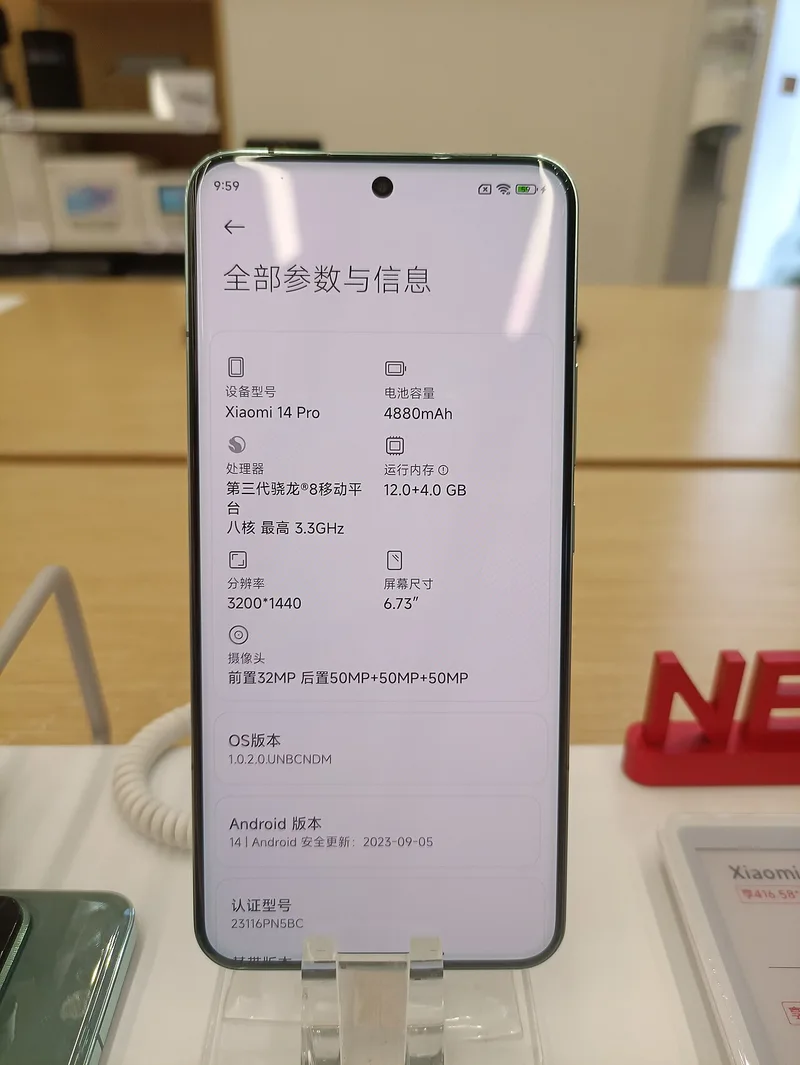
The standard Galaxy S24 carries a 50MP main sensor, a 12MP ultrawide, and a 10MP 3x telephoto, run through Samsung's Exynos or Snapdragon variant depending on region. The Xiaomi 14 pairs a 50MP Light Fusion 900 main sensor with a 50MP ultrawide and a 50MP 3.2x telephoto, all co-engineered with Leica and running on the Snapdragon 8 Gen 3 globally. Xiaomi's triple-50MP setup is notably more symmetric than Samsung's — none of its three lenses is meaningfully weaker on paper, whereas Samsung's ultrawide and telephoto both step down significantly in resolution from the main sensor.
Where Samsung pulls ahead
Samsung's real strength is software range, not raw glass. Galaxy AI features like Generative Edit let you erase objects, reposition subjects, and fill in backgrounds directly on-device, similar in spirit to Google's Magic Editor but built into Samsung's own Gallery app rather than a separate tool. Samsung's Space Zoom, while frequently over-processed at its extreme 100x setting, genuinely useful range extends further than Xiaomi's — if you regularly photograph something far away (a stage, a sports field, wildlife at real distance), the S24's telephoto pipeline has more usable reach even if the far end of the zoom range is more marketing number than practical photo. Samsung's Night mode is also more aggressive about brightening a scene, which some buyers prefer for social-media-ready shots even when it strays from what the scene actually looked like.
Where Xiaomi pulls ahead
The Leica partnership is not just a badge on the camera bump — it shows up in actual color output. Xiaomi 14 owners can choose between "Leica Authentic," which aims for a more contrasty, true-to-scene rendering with deeper shadows, and "Leica Vibrant," which is closer to what most phone buyers expect from a smartphone camera. That dual-profile approach means the Xiaomi 14 can produce images that look intentionally photographic rather than algorithmically brightened — a distinction serious photography enthusiasts notice immediately and casual users may not care about at all. The Xiaomi 14's more balanced triple-50MP array also means less quality drop-off when switching between lenses mid-shoot, since the ultrawide isn't punching dramatically below the main sensor's resolution the way Samsung's is.
Portrait mode and skin tones
Samsung's portrait processing has historically erred toward smoothing skin and boosting saturation, a look that plays well on Instagram but can feel artificial in direct comparison shots. Xiaomi's Leica-tuned portrait mode is noticeably more restrained, preserving texture and going for a more "this is what a real camera would have captured" aesthetic. Neither is objectively correct; it genuinely comes down to whether you want your phone to flatter the photo or document it accurately.
Low light performance
Both phones handle low light well by modern flagship standards, but they get there differently. The Galaxy S24's Night mode processes multiple exposures aggressively and tends to recover more visible shadow detail, at the cost of a slightly flatter, more processed-looking final image. The Xiaomi 14's Leica-tuned night processing keeps contrast closer to what the scene actually looked like, meaning shadows stay darker but the image reads as more naturally lit rather than artificially brightened. If you're shooting a dim restaurant or a city street at night and want the photo to look like memory rather than a flash-lit reconstruction, Xiaomi's more conservative approach tends to age better once you look at the photo again months later.
Software ecosystem and availability
One practical factor that matters more than any camera spec: the Xiaomi 14's global availability and software support lag behind Samsung's in several markets, notably North America, where Xiaomi doesn't officially sell flagship phones at all. Samsung's One UI updates and camera-app improvements also tend to arrive on a longer, more predictable support timeline. For buyers outside regions where Xiaomi has full retail and carrier support, the Galaxy S24 is simply the more practically available option regardless of which camera profile you'd prefer on paper.
Video recording
Video is another area where the two phones diverge in philosophy rather than raw capability. The Galaxy S24 supports 8K recording at 30fps along with Samsung's own Log profile for colorists who want to grade footage afterward, and its stabilization leans on a mix of optical and AI-driven digital correction that keeps handheld walking shots usable even without a gimbal. The Xiaomi 14 tops out at 8K on the Ultra variant rather than the base model reviewed here, and its standard-tier video processing is tuned more conservatively, prioritizing consistent color across a clip rather than maximum dynamic range in any single frame. For casual video — a kid's birthday, a vacation clip destined for a group chat rather than a timeline — both phones are more than capable, and the difference only becomes visible if you're actively grading footage in an editor afterward.
Battery life while shooting
Camera-heavy use is one of the fastest ways to drain a phone battery, and this is a spot where the difference is more about chip efficiency than camera hardware itself. The Snapdragon 8 Gen 3 powering the Xiaomi 14 (and the Snapdragon variant of the S24, depending on region) runs a more power-efficient image signal processor than Samsung's Exynos variant, which means Xiaomi 14 owners in markets where it's sold typically get noticeably more shots and video minutes per charge during a heavy shooting day, like a full day at a theme park or a wedding. If your phone spends a lot of time actively in camera mode rather than idle in your pocket, that efficiency gap compounds over a full day in a way spec sheets don't capture.
Price and what you're actually paying for
Both phones launched in a similar price bracket, but the value proposition diverges once you factor in ecosystem. Samsung bundles its camera hardware with a broader software subscription push — Galaxy AI features, cloud photo backup tie-ins, and a longer promised update window that now stretches to seven years of security patches on recent Galaxy flagships. Xiaomi's value pitch leans more purely on the hardware and the Leica partnership itself, with a comparatively shorter official update commitment. If long-term software support matters as much to you as the photos themselves, that's a real factor pulling toward Samsung independent of which camera you'd rather use on day one.
The actual verdict
If you want maximum zoom range, generative AI editing tools, and a phone that actively brightens and polishes your shots for you, the Galaxy S24 is the better fit and it's also the easier phone to actually buy in most markets. If you want color science that looks like it came from an actual camera brand, more consistent quality across all three lenses, and you're in a market where Xiaomi sells its flagships, the Xiaomi 14's Leica tuning is the more distinctive photographic tool. Neither phone is behind the other technically — they've simply optimized for two different definitions of what a "good photo" looks like.