ASUS ROG Zephyrus G14 vs MacBook Pro: Creator Laptop Showdown
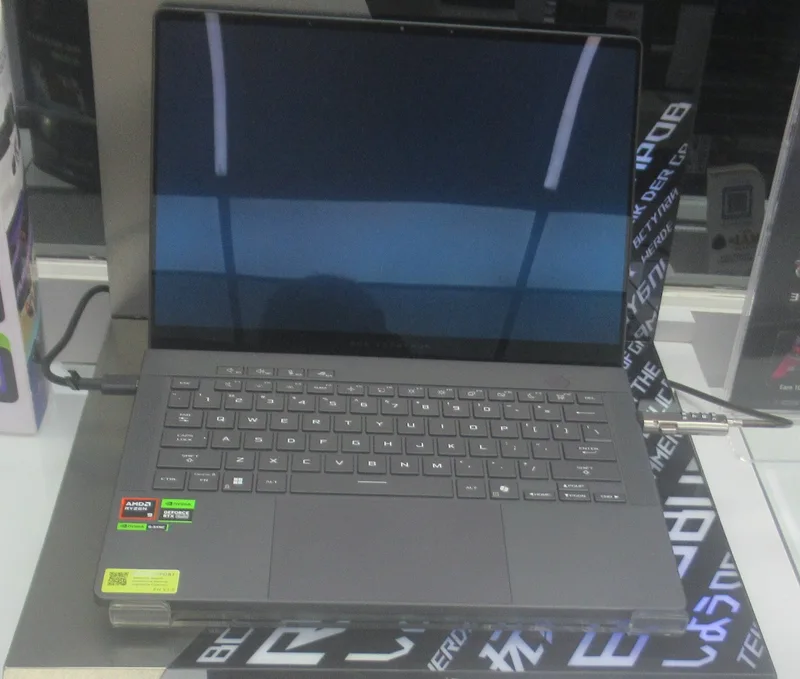
On paper, a gaming laptop and a MacBook Pro shouldn't be cross-shopped. But the ASUS ROG Zephyrus G14 has spent the last few hardware generations quietly becoming one of the few Windows laptops that creative professionals actually ask about by name, and the reason is simple: it packs genuine desktop-class GPU horsepower into a 14-inch chassis that weighs about the same as a 14-inch MacBook Pro. That makes the comparison between these two more relevant than it looks.
The Zephyrus G14 pairs an AMD Ryzen 9 processor with an NVIDIA RTX 4070 or higher mobile GPU, giving it real-time ray tracing and CUDA acceleration that no Apple Silicon chip currently matches for GPU-bound rendering workloads — Blender's Cycles renderer, DaVinci Resolve's GPU-accelerated color grading nodes, and most game engines all lean on CUDA or equivalent NVIDIA-specific acceleration that the M-series chips simply can't tap into, no matter how fast their unified memory architecture is for other tasks.
Where the MacBook Pro Still Wins
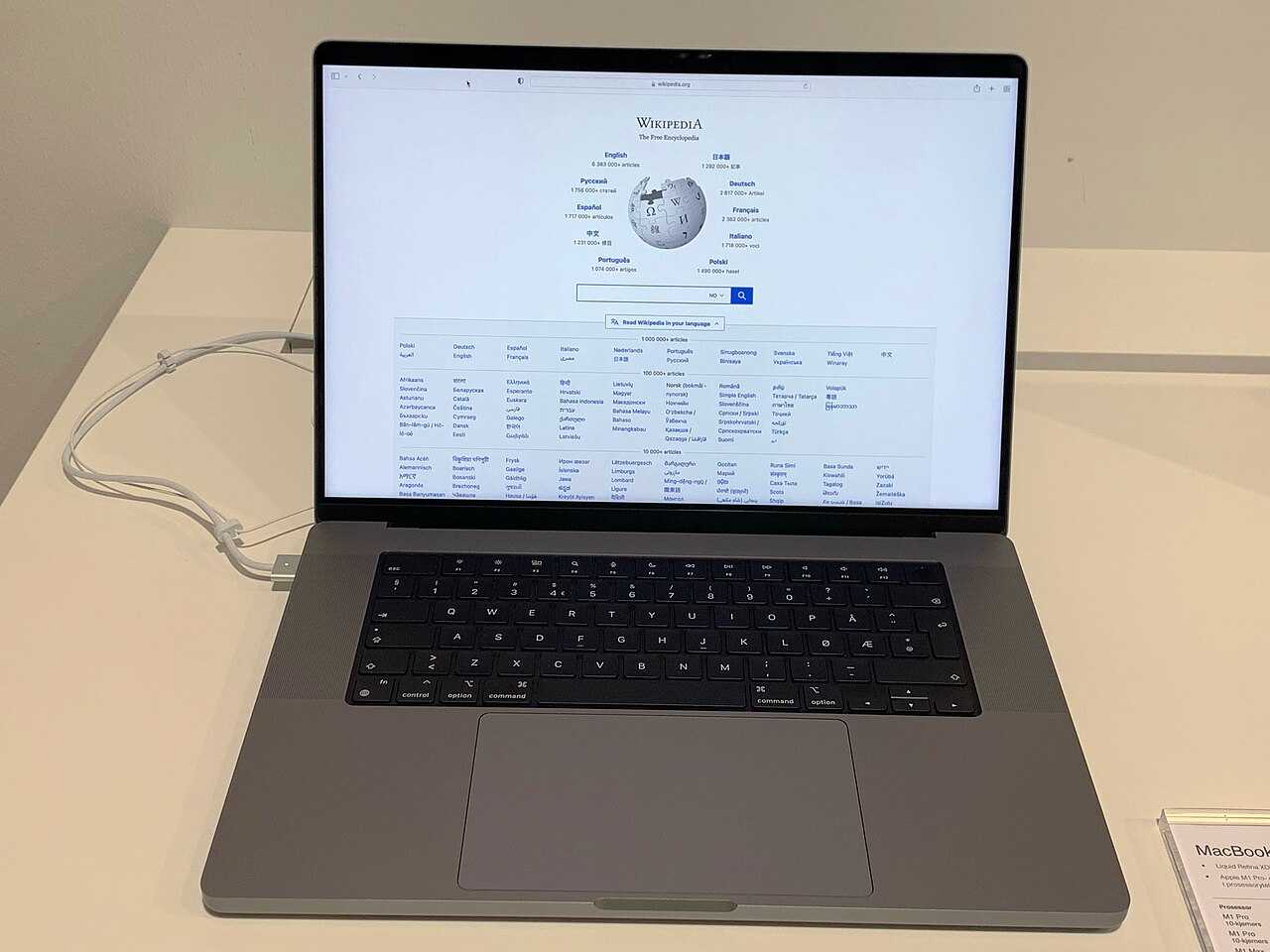
The MacBook Pro's advantage isn't raw compute — it's efficiency and battery life under sustained creative work. Apple Silicon's unified memory architecture means a video editor working in Final Cut Pro or a photographer batch-processing RAW files in Lightroom Classic gets consistent, thermally stable performance without the fan noise and battery drain that comes with discrete GPU-based workflows. A 14-inch MacBook Pro with the M4 Pro chip can sustain 8-10 hours of real editing work on battery; the Zephyrus G14, despite ASUS's genuinely impressive engineering around battery efficiency for a gaming laptop, tops out closer to 4-6 hours under similar creative loads once the discrete GPU spins up.
Display quality is close but not identical. Both offer excellent color-accurate panels suitable for professional work — the Zephyrus G14's OLED option hits similarly high peak brightness and near-identical DCI-P3 coverage to the MacBook Pro's Liquid Retina XDR display. Where Apple pulls ahead is in the software ecosystem around color management: macOS's system-level color profile handling and ProMotion's adaptive refresh rate are more consistently supported across the creative app ecosystem than Windows' equivalent (though Windows has closed much of this gap in recent years).
Software Ecosystem: The Real Deciding Factor
This comparison ultimately comes down to which software ecosystem your actual work depends on more than any hardware spec. If your workflow is built around Adobe's Creative Cloud suite, DaVinci Resolve, or Blender, both platforms run these applications natively and well — but the Zephyrus G14's NVIDIA GPU gives it a real edge in GPU-accelerated render and export times, sometimes by a factor of two or more on CUDA-optimized tasks. If your workflow is built around Final Cut Pro, Logic Pro, or any macOS-exclusive creative tool, the comparison is moot — those applications simply don't exist on Windows.
Game development and 3D work leans toward the Zephyrus G14 for a related reason: most game engines and their associated tooling (Unreal Engine's Lumen and Nanite systems, for instance) are optimized first and most thoroughly for NVIDIA hardware, since that's what the majority of end-user gaming PCs run. Building and testing on the same GPU architecture your audience will actually use avoids a category of platform-specific bugs that Mac-based game developers have to work around.
Build Quality and Ergonomics
ASUS has clearly studied the MacBook's design language for the Zephyrus G14's recent generations — the aluminum unibody chassis, the trackpad size and feel, and the keyboard travel are all closer to Apple's standard than any prior ROG laptop. It's not identical (the Zephyrus still runs noticeably warmer under load and its fans, while quiet for a gaming laptop, are audible in ways the MacBook Pro's fanless-feeling cooling under light loads simply isn't), but the gap in "does this feel like a premium laptop" has narrowed dramatically compared to gaming laptops from five years ago.
Price and Value
Comparably specced, the Zephyrus G14 typically undercuts an equivalent MacBook Pro configuration, especially once you account for the GPU performance you're getting — there's no Apple Silicon configuration that competes with an RTX 4070 or 4080 mobile GPU for CUDA-based rendering at any price, since Apple doesn't sell a discrete-GPU MacBook option anymore. The tradeoff is battery life and the resale value that MacBooks are famous for holding significantly better than Windows laptops of any brand, gaming-focused or not.
Thermals and Real-World Sustained Performance
Benchmark numbers rarely tell the full story on a laptop that's meant to run demanding workloads for hours, not minutes, and this is a category where the two machines diverge in how they handle heat rather than how fast they run when cold. The Zephyrus G14 uses a vapor chamber cooling system paired with liquid metal thermal compound on the CPU — a feature ASUS carried over from its higher-end ROG gaming laptops specifically because sustained render exports generate the kind of continuous heat load that a thin 14-inch chassis struggles to dissipate with a conventional heatsink. Under a 30-minute sustained export in DaVinci Resolve, the G14 throttles modestly from its peak clock speeds but holds a stable, predictable performance floor rather than the sharp dropoff you'd see in a less thermally engineered gaming laptop.
The MacBook Pro's thermal story is different by design: Apple Silicon's efficiency means there's simply less heat to dissipate in the first place for most creative tasks, and the fanless-under-light-load behavior that made the M-series famous extends into genuinely demanding work more than you'd expect. Where it falls short is GPU-bound rendering specifically — tasks that would spin the Zephyrus's discrete GPU up to full power have no equivalent acceleration path on Apple Silicon, so the MacBook Pro isn't "slower under load," it's running an entirely different, CPU/unified-memory-centric computation path that simply doesn't apply the same kind of sustained thermal pressure.
The Bottom Line
Choose the Zephyrus G14 if your work is GPU-render-bound and you value raw throughput over battery life, or if you also game on the same machine. Choose the MacBook Pro if your workflow lives in Apple's creative software ecosystem, you work untethered from power for long stretches, or resale value and build longevity matter as much as day-one performance. Both are genuinely excellent 14-inch creative laptops — the "better" one depends entirely on which software you actually open every day, not which spec sheet looks more impressive.