Ring vs Google Nest: Which Smart Home Ecosystem Should You Actually Buy Into

Smart home purchases rarely stay isolated to one device for long. Buy a video doorbell today, and within a year you're likely adding cameras, a smart lock, maybe a display to check on everything at once — and at that point, which ecosystem you started with matters more than any single product's individual features. Ring and Google Nest are the two most common starting points, and they represent genuinely different philosophies about what a smart home should be.
The core products each ecosystem is built around
Ring built its identity on the video doorbell, and that's still the product most people associate with the brand, backed by a strong lineup of battery and wired doorbell cameras, plus an expanding range of indoor and outdoor security cameras, spotlight cameras, and alarm system components. Amazon's ownership of Ring means deep integration with Alexa specifically, and Ring's ecosystem leans hardest into security and monitoring as its central use case.
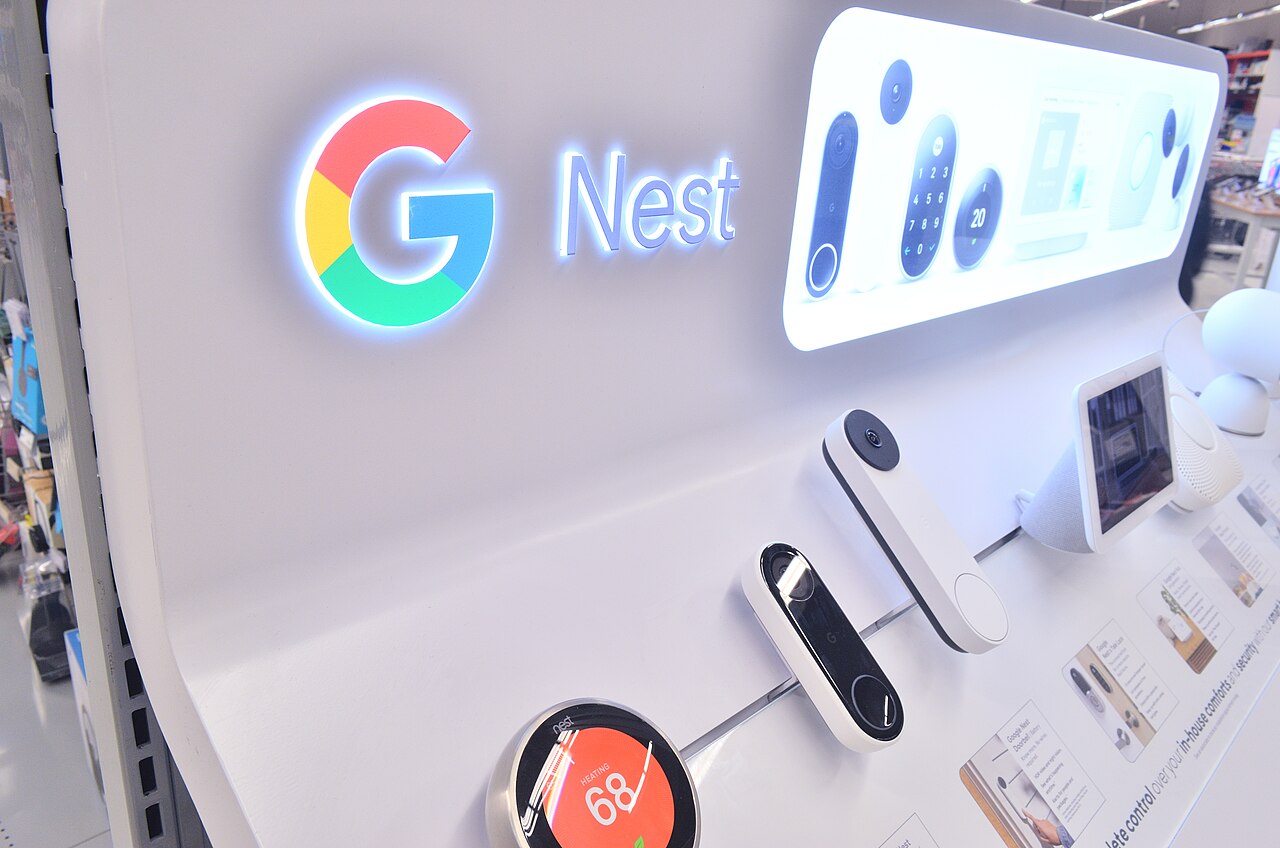
Google Nest, by contrast, spans a wider range of smart home categories from day one — thermostats, smoke detectors, and speakers alongside its own cameras and doorbells — reflecting Google's broader ambition for Nest as a general smart home platform rather than a security-first product line. If your interest is security cameras specifically, both companies compete directly; if you want a smart thermostat or smoke detector under the same app and ecosystem, Nest has offerings Ring simply doesn't.
Video quality and the feature that actually matters most
Both companies' current doorbell and camera lineups offer solid video quality, with Nest generally holding a slight edge in dynamic range and low-light clarity in more recent camera generations, producing footage that stays legible in shadowed porches or at dusk more consistently than Ring's comparable tier. Ring counters with a wider range of price points and form factors, including battery-only options that are genuinely easier to install without professional wiring, which matters if avoiding an electrician visit is part of your decision.
The subscription question that actually decides long-term cost
Neither Ring nor Nest lets you access meaningful video history or advanced features without a subscription, and this is where the real ongoing cost of each ecosystem shows up. Ring Protect and Nest Aware are structured similarly — tiered plans covering video history length and advanced detection features — but the specific feature you lose without a subscription differs enough between the two that it's worth checking exactly what "basic" functionality looks like on each platform before assuming free tier usage is realistic long-term. In practice, most serious users of either ecosystem end up paying for a subscription eventually, so the sticker price of the hardware itself understates the real cost of ownership over a few years.
Voice assistant and smart home hub integration
Ring's tightest integration is naturally with Amazon Alexa, extending to Echo speakers and displays as the natural hub for viewing camera feeds and controlling connected devices by voice. Google Nest integrates most deeply with Google Assistant and Google Home displays, which makes sense given common ownership, though both companies have made efforts to support the other's voice assistant to some degree, so the lock-in isn't absolute — just noticeably smoother within each company's own hardware family.
If you already own a houseful of Echo devices, Ring's ecosystem will feel like a more natural extension of what you have. If you're already using Google Home displays and Android phones, Nest's integration will feel similarly native. Starting from neither, this becomes a genuine coin flip based on other factors rather than existing hardware lock-in.
Privacy and data handling differences worth knowing
Both companies have faced public scrutiny over camera footage privacy and law enforcement data-sharing practices in the past, and both have since introduced more granular controls over sharing and end-to-end encryption options for footage. Neither company's current privacy posture is clearly and permanently better than the other's — both have made real improvements, and both are still corporate advertising-adjacent businesses whose privacy policies are worth reading directly rather than trusting marketing summaries from either side.
Installation and the reality of setting each system up
Ring's battery-powered doorbells and cameras remain the easier starting point for renters or anyone hesitant about electrical work, since many models require nothing more than mounting a bracket and charging the battery periodically rather than any wiring at all. Nest's lineup leans more toward wired installations for its doorbell and thermostat products specifically, which deliver more consistent power and avoid battery-charging maintenance, but do require either existing doorbell wiring or a comfort level with basic electrical work that not every household has. Neither approach is objectively better — it depends on whether you're renting, how your home is already wired, and how much maintenance you're willing to do.
App experience differs in ways that matter for daily use more than spec sheets suggest. Ring's app centers around a unified activity feed across all your devices, which works well once you have several cameras but can feel cluttered with notifications if you haven't tuned motion sensitivity settings carefully. Nest's app experience is generally considered cleaner and more consistent with Google's broader design language, particularly if you're already using other Google apps daily, though some users find its camera-specific controls slightly less granular than Ring's more security-focused interface.
The actual recommendation
Choose Ring if security cameras and doorbells are your primary interest, you're already inside the Amazon Alexa ecosystem, or you want the widest range of battery-powered, easy-install options at various price points. Choose Nest if you want a single ecosystem covering security plus thermostats, smoke detectors, and broader smart home control, or if you're already using Android and Google Home hardware. Either choice commits you to an ongoing subscription cost more than the hardware price suggests, so factor that into the decision rather than comparing device prices alone — and if you're only buying one device today rather than building out a full system, remember that whichever brand you pick will likely shape every additional camera, sensor, or display you add to your home for years afterward.