Smart Sprinkler Controllers Explained: How They Actually Save Water
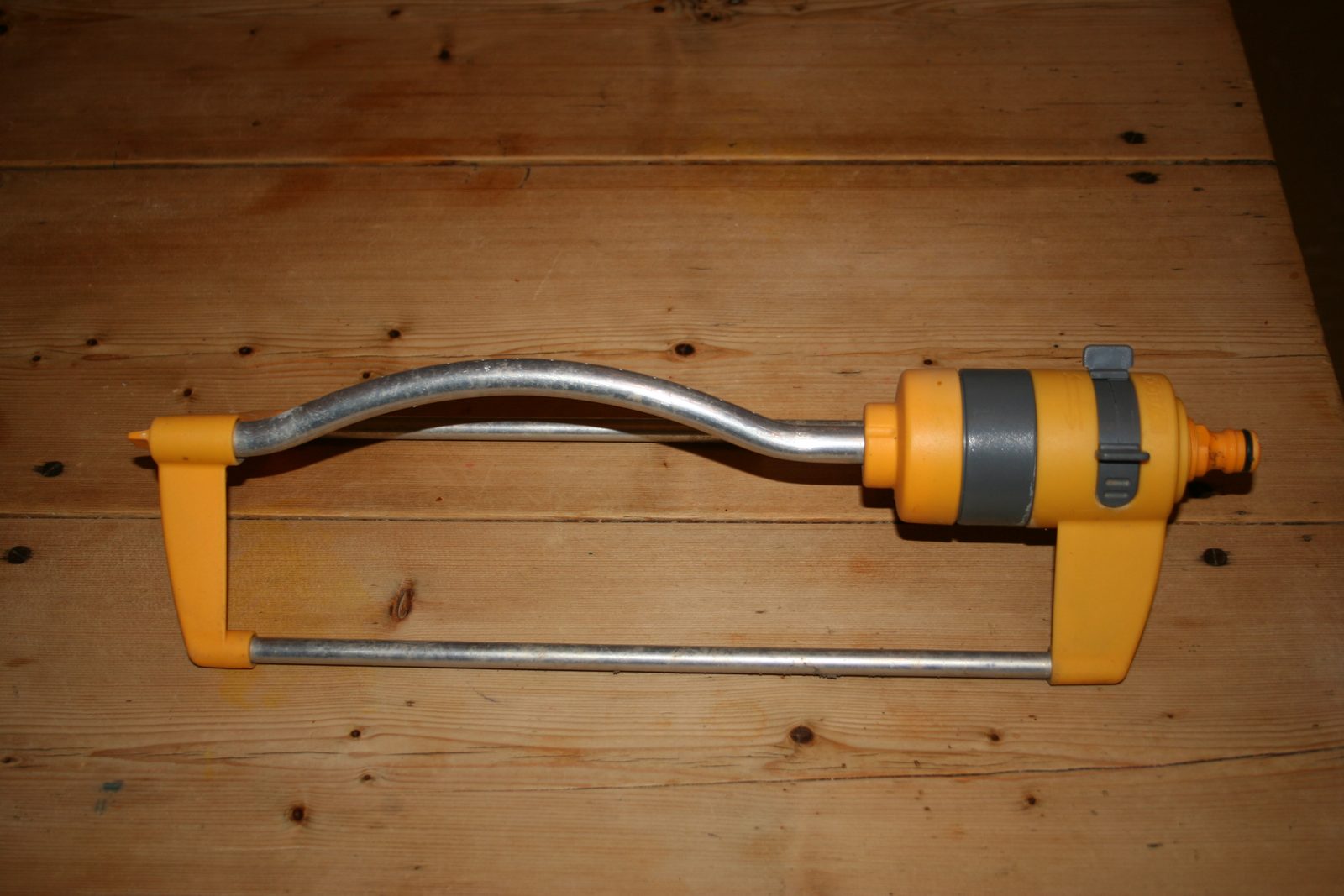
A conventional sprinkler timer runs on a fixed schedule you set once and mostly forget about, watering the lawn every Tuesday and Friday morning at 6am regardless of whether it rained the night before or the soil is already saturated. A smart sprinkler controller replaces that fixed schedule with one that adjusts automatically based on real weather data, soil conditions, and each zone's specific plant type, and for anyone paying an outdoor water bill, that difference in how it manages irrigation waste isn't a minor convenience feature, it's usually the entire reason the device pays for itself.
How the scheduling actually works
The core feature nearly every smart sprinkler controller offers is weather-based scheduling, sometimes called evapotranspiration-based scheduling in more technical marketing material. Rather than watering on a fixed calendar, the controller pulls local weather data, recent rainfall, temperature, humidity, and wind, and calculates how much moisture the soil actually lost that day, then adjusts each zone's watering duration to replace roughly that amount rather than a fixed default. On a cool, humid week the controller might skip watering entirely or run for a fraction of the usual duration, while during a hot, dry stretch it extends run times automatically, all without the homeowner touching a dial or an app.
More capable systems go a step further with dedicated hardware add-ons. Soil moisture sensors buried in the ground measure actual moisture content directly rather than inferring it from weather data alone, giving a more accurate picture in yards with inconsistent soil composition or drainage. A flow sensor installed at the main water line detects abnormal flow, a broken sprinkler head or a cracked underground pipe, and can shut the system off automatically before a leak wastes hundreds of gallons unnoticed, a failure mode that a standard mechanical timer has no way to detect at all, and a similar detection principle to the one covered in how indoor smart water leak detectors catch a burst pipe before it causes real damage. Rain sensors, the simplest and oldest of these add-ons, physically detect current rainfall and skip a scheduled cycle in progress, and are increasingly bundled into base controller packages rather than sold as optional extras.
The compatibility landscape
Smart sprinkler controllers generally fall into two categories: standalone systems from irrigation-focused brands like Rachio and Hydrawise, and controllers integrated into broader smart home ecosystems. Almost all current models connect over Wi-Fi and pair with a phone app for setup, zone configuration, and manual overrides, and most support voice control through Amazon Alexa or Google Home for basic commands like starting or pausing a watering cycle. Matter, the unified smart home standard covered in more detail in how Matter is supposed to end the compatibility mess, has not meaningfully extended into irrigation controllers the way it has into lighting and locks, so buyers shouldn't assume Matter support the way they increasingly can with smart bulbs or thermostats; irrigation remains one of the smart home categories still largely locked into each manufacturer's own app and cloud service.
Retrofitting is usually straightforward because most smart sprinkler controllers are designed to physically replace an existing timer using the same wiring, connecting to the same solenoid valves already installed in the yard, which means the underlying sprinkler hardware, the pipes, valves, and heads, doesn't need to change at all. The controller itself is the only component being swapped, similar in spirit to how a smart thermostat replaces the control unit while leaving the furnace and ductwork untouched. The main compatibility check worth doing before buying is confirming the new controller supports the same number of zones and valve types as the existing system, since irrigation setups vary more in wiring complexity than most other smart home retrofits.
How much water and money it actually saves
Outdoor irrigation is one of the largest components of residential water use in many regions, and traditional fixed-schedule timers are a well-documented source of overwatering because they're set once for worst-case summer conditions and rarely adjusted afterward for cooler weeks, rain, or seasonal changes. Weather-based scheduling directly targets that specific inefficiency by only applying water the calculated conditions actually call for, which is the mechanism behind the water savings smart controllers are built around, rather than any single dramatic feature. The EPA's WaterSense program certifies qualifying smart irrigation controllers specifically because of this demonstrated efficiency improvement over standard timers, and many municipal water utilities in drought-prone regions offer rebates specifically for WaterSense-certified controllers, worth checking before buying since it can meaningfully offset the upfront cost.
The savings scale directly with how wasteful the existing schedule was to begin with. A household that was already watering conservatively and adjusting manually for weather won't see dramatic gains from switching to a smart controller, while a household running a fixed schedule year-round regardless of conditions is the profile most likely to see a substantial reduction in water use and the associated utility bill. Leak detection through a flow sensor is the other overlooked source of savings, since an undetected broken sprinkler head or valve can run for weeks wasting significant water before anyone notices a spike in a water bill, a failure a smart controller with flow monitoring catches almost immediately.
Seasonal shutdowns and freeze protection
In climates with real winters, a smart controller adds one more genuinely practical feature beyond daily scheduling: automatic seasonal shutdown. Rather than a homeowner remembering to manually turn the system off before the first hard freeze and blow out the lines, most smart controllers can be configured to watch overnight low temperatures and suspend watering automatically once frost risk appears, then resume normal weather-based scheduling once temperatures recover in spring. This doesn't replace the physical process of blowing compressed air through the lines to prevent a hard freeze from cracking pipes, that's still a manual or professional job in most climates, but it does eliminate the more common and less dramatic mistake of a schedule running one extra cycle into an early cold snap and freezing water inside exposed valve components. It's a small feature next to weather-based scheduling and leak detection, but it's the kind of detail that quietly prevents an expensive spring repair bill.
What to actually look for when buying
Zone count is the first practical filter, since controllers are sold in fixed zone capacities and buying one with too few zones for an existing yard simply won't work without additional hardware. Beyond that, prioritize weather-based scheduling as a baseline requirement rather than an upgrade, it's the core feature the entire product category is built around, and treat soil moisture sensors and flow-based leak detection as valuable but optional additions depending on yard size and how much a leak would realistically cost if it went undetected. Voice assistant support and app polish vary more between brands than the core watering logic does, so if daily interaction and app usability matter to a particular household, it's worth checking hands-on reviews of the specific app rather than assuming all smart controllers offer an equally smooth experience.