Google Nest: What's Actually Worth Buying in the Lineup
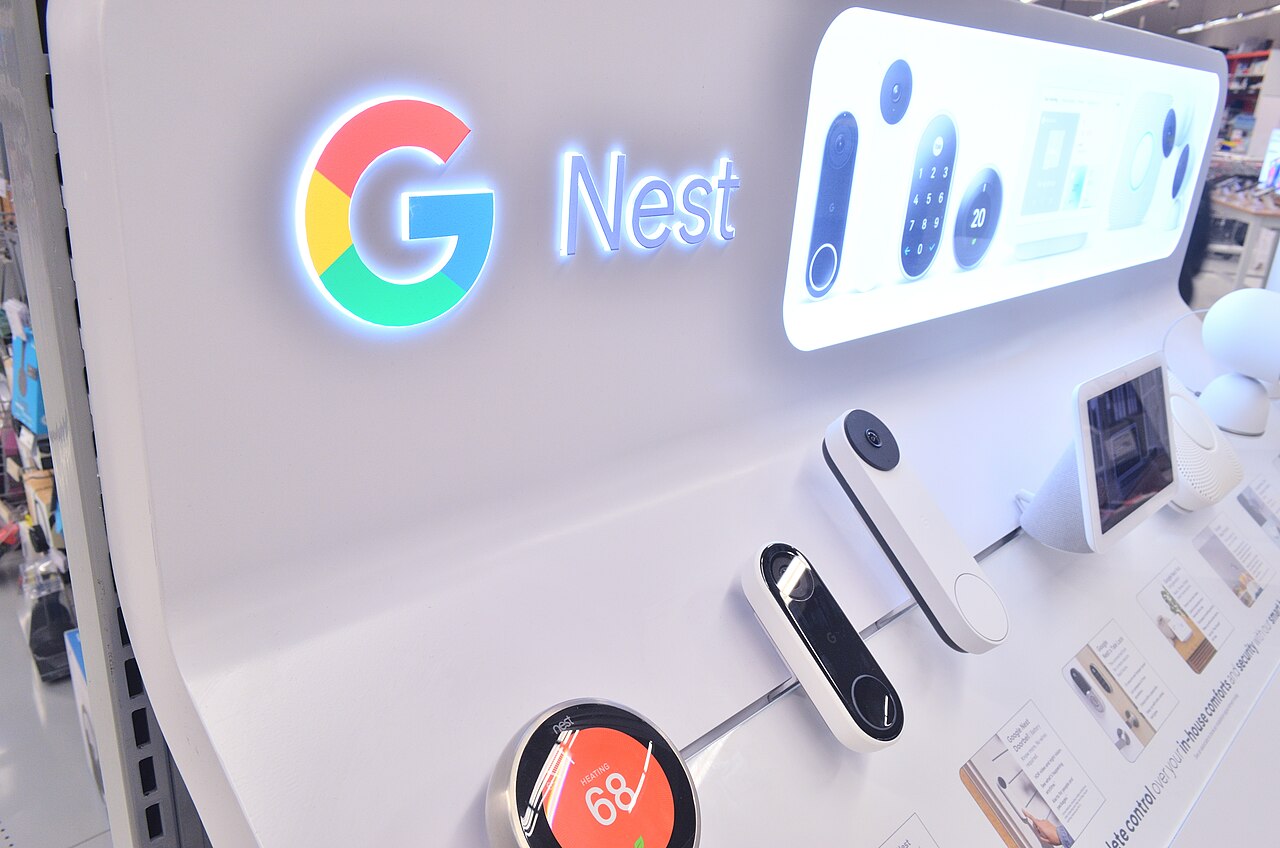
Google's Nest lineup has grown into a sprawling catalog of thermostats, cameras, doorbells, speakers, and displays, several of which overlap in confusing ways after years of rebrands, discontinued models, and Google folding its earlier "Google Home" branding back under the Nest name. Not everything in the current lineup is equally worth buying, and a few products stand out as genuinely strong picks while others are easy to skip depending on what a household already owns. Here's a realistic breakdown of what's actually worth spending money on.
The Nest Thermostat is still the clearest standout
The Nest Learning Thermostat remains the product line's strongest reputation-builder, and for good reason: it genuinely learns a household's temperature preferences and schedule over the first couple of weeks of use, then automates adjustments without requiring manual programming the way a conventional thermostat does. It also reports back on energy usage patterns and offers a lower-cost non-learning Nest Thermostat model for buyers who want the app control and remote-adjustment convenience without paying for the adaptive learning features. Independent studies and utility company rebate programs have both validated real energy savings from smart thermostats broadly, making this one of the rare smart home categories where the return on investment case is unusually well documented rather than just a marketing claim.
Nest cameras and doorbells are solid but not the cheapest option
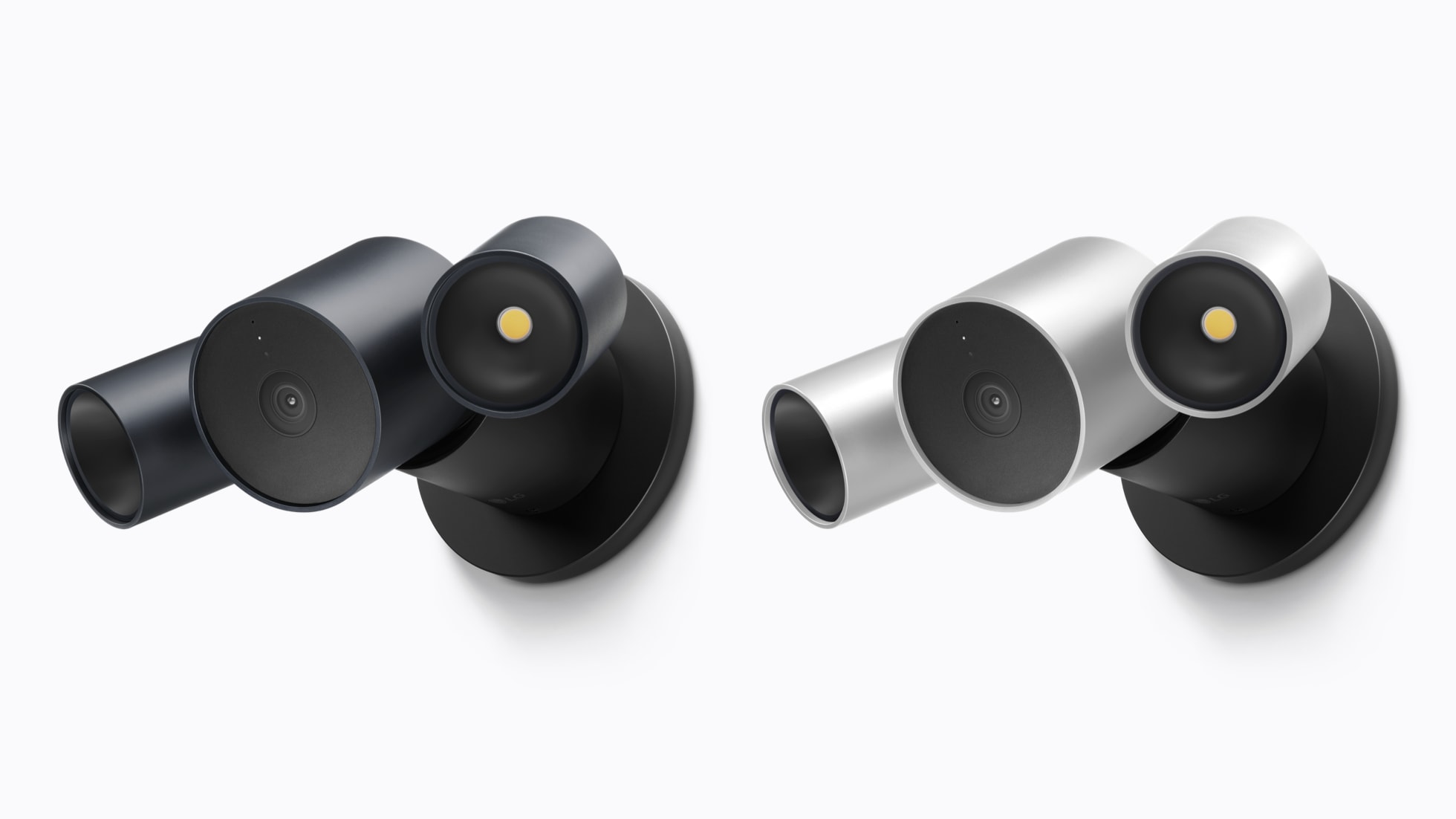
Nest's camera and doorbell lineup offers genuinely good video quality, reliable motion detection, and tight integration with Google's ecosystem, including smart alerts that can distinguish between a person, a package, and a passing car using on-device processing rather than just raw motion detection. Where Nest cameras lose ground to competitors is price and subscription structure: cloud video history storage requires a Nest Aware subscription, and Google's pricing here has historically run higher than some competing camera brands offering similar cloud storage tiers. Buyers who specifically want to avoid an ongoing subscription should look closely at models with local storage options before assuming every smart camera requires a monthly fee — the requirement varies significantly by brand and even by specific model within Nest's own lineup.
Where Nest speakers and displays are a weaker recommendation
Google's Nest-branded smart speakers and displays are competent but have received less aggressive hardware investment in recent years compared to the thermostat and camera lines, and the smart display category in particular has seen Google discontinue and rework its lineup more than once, which understandably makes some buyers hesitant to invest in hardware that might not see long-term support. They remain a reasonable way to add Google Assistant voice control and a visual interface to a room, but they're a much less differentiated purchase than the thermostat, competing directly against similarly capable and often cheaper options from other smart speaker brands rather than offering something distinctly better.
Ecosystem lock-in is the real decision point
The more important question for most buyers isn't which individual Nest product is best, but whether committing to Google's ecosystem broadly makes sense given what phone platform and other smart devices a household already uses. Nest integrates most tightly with Android phones and Google's own assistant, and switching a household's smart home hub later, after accumulating several Nest devices, is more disruptive than most people expect, since app-based automations and routines don't transfer cleanly between ecosystems. That tradeoff is directly comparable to choosing Amazon's Alexa ecosystem instead, and a side-by-side look at Ring's camera and doorbell ecosystem against Nest's equivalents is useful for buyers specifically comparing the two companies' security device lineups rather than the broader hub decision.
Matter is starting to loosen that lock-in
The emergence of the Matter smart home standard, an industry-wide effort backed by Google, Amazon, Apple, and most major device manufacturers, is gradually reducing how permanent an ecosystem choice needs to be, since Matter-certified devices are designed to work across Google, Amazon, and Apple's hubs rather than locking a purchase to a single company forever. Support is still uneven across device categories and older hardware predates Matter compatibility entirely, but it's a meaningfully different landscape than existed even a few years ago, and it's worth checking Matter certification specifically when buying new smart home hardware today. A fuller explanation of how the standard actually works in practice is covered in a dedicated look at the Matter smart home standard.
The realistic shopping list
For a household starting from scratch or already invested in Google's ecosystem, the Nest Thermostat is close to an easy recommendation given the well-documented energy savings case, cameras and doorbells are solid picks that are worth price-comparing against alternatives given Google's subscription costs, and speakers or displays are fine additions but not products worth chasing specifically over competing options. The bigger decision is the ecosystem commitment itself rather than any single device, and that decision is becoming somewhat less permanent as Matter adoption spreads across the industry, which is worth factoring in before assuming an early hub choice locks a household in indefinitely.
The Google Home app consolidation
Google has spent the past few years unifying what used to be a confusing split between the separate Nest app and the Google Home app, a fragmentation that frustrated existing owners and made the ecosystem harder to recommend to new buyers who had to figure out which app controlled which device. The current single Google Home app is a meaningful improvement, offering one place to manage thermostats, cameras, speakers, and third-party Matter devices together, with automation rules that can span device categories rather than being siloed by product type. Anyone who tried Nest hardware years ago and came away frustrated by the app situation specifically should know that particular pain point has largely been addressed, and it's no longer a strong reason to avoid the ecosystem on its own.
Installation and compatibility considerations
Before buying into any part of the Nest lineup, it's worth checking basic compatibility requirements that trip up a surprising number of first-time buyers: the Nest Thermostat requires a home to have a common wire (or a compatible workaround) for full functionality in many HVAC setups, and some older homes without one may need an electrician's help or a lower-feature installation. Camera and doorbell installation is generally more straightforward, though existing doorbell wiring voltage and chime compatibility are worth confirming before purchase for anyone replacing a traditional wired doorbell rather than starting from a battery-powered installation.