Satellite SOS Explained: How iPhone, Pixel, and Galaxy Handle Emergencies Off the Grid
For most of smartphone history, "no signal" meant no help. Over the past few years that has started to change, as Apple, Google, and eventually Samsung have built direct-to-satellite emergency messaging into their flagship phones. It is one of the few genuinely new hardware capabilities to show up in phones recently rather than an incremental camera or chip bump, and it is worth understanding how it actually works before you rely on it in a real emergency.
What "satellite SOS" actually is
These features are not satellite phones in the traditional sense. A dedicated satellite phone uses a purpose-built antenna and a much larger power budget to maintain a continuous voice or data link. What ships in a mainstream smartphone is a narrowband messaging system: your phone's modem briefly connects to a satellite passing overhead, compresses a short message into a tiny data packet, and relays it through a ground station to emergency services or a contact you designate. There is no live voice call and no browsing the web. You are sending short, structured messages, similar in spirit to an old two-way pager, and the whole exchange can take anywhere from fifteen seconds to a couple of minutes depending on how the satellite is positioned relative to you.
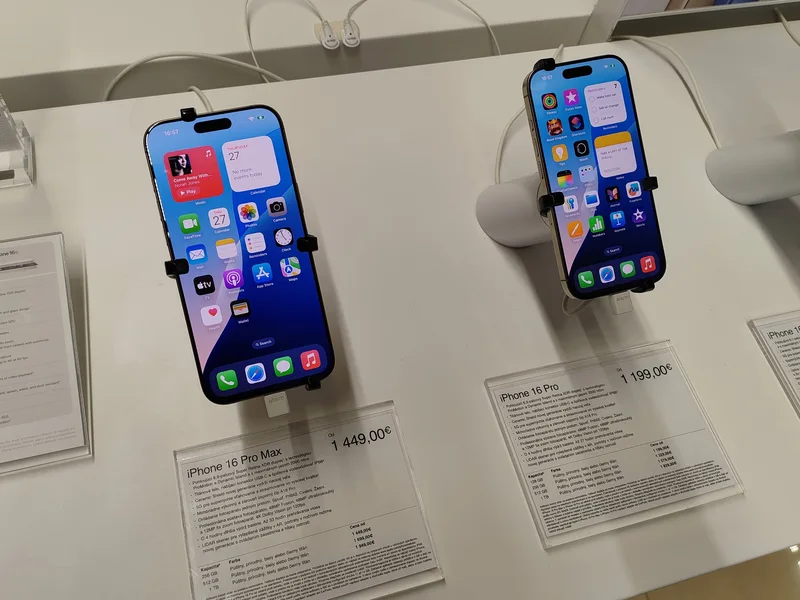
Emergency SOS via satellite on iPhone, introduced on the iPhone 14 lineup and refined on every generation since, walks you through pointing your phone at the sky using an on-screen compass, then answers a short triage questionnaire (are you injured, is anyone with you, what's the nature of the emergency) before compressing your answers and location into a message a dispatcher can act on. Apple relays qualifying emergencies through a network of relay centers in supported countries, and the underlying service has already been credited with rescues in situations ranging from car accidents on remote roads to hikers stranded after dark.
How Google and Samsung approach it
Google added satellite emergency messaging to the Pixel line starting with the Pixel 9 series, built on the same Skylo-powered network Android now supports at the OS level rather than as an app locked to one manufacturer. The experience is broadly similar to Apple's: a guided flow that asks what kind of help you need, then transmits a compact report along with your coordinates. Because it is implemented as a platform capability in Android rather than a single-vendor feature, other Android manufacturers can adopt the same underlying satellite messaging stack over time, which is a meaningfully different rollout strategy than Apple's closed, first-party implementation.
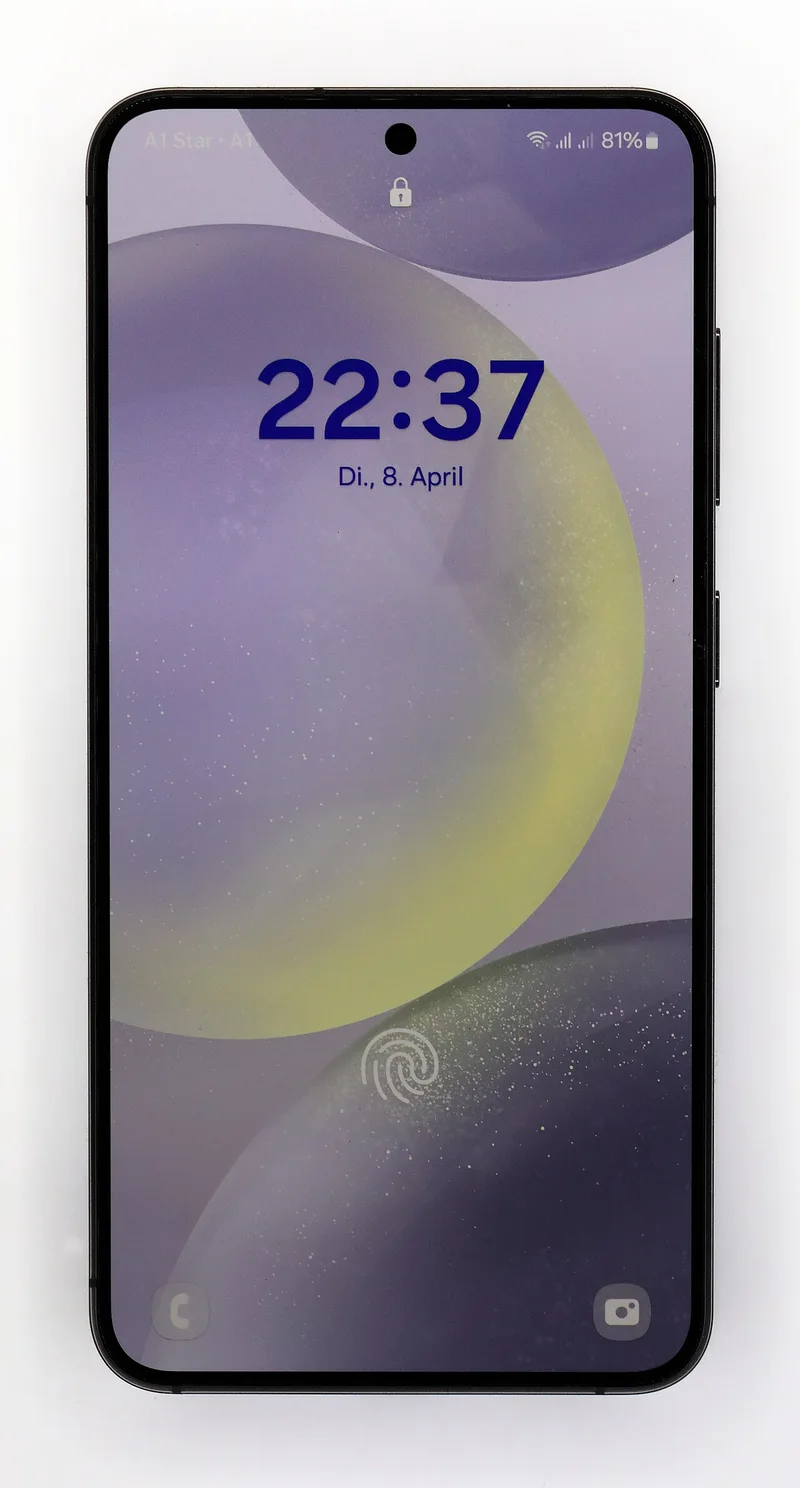
Samsung's approach has moved more cautiously. Galaxy flagships have shipped with the hardware modems capable of satellite connectivity for a few generations, but Samsung has largely left activation of consumer-facing satellite messaging to individual carrier partnerships and specific regional rollouts rather than a single global feature switch. If you are comparing a Galaxy flagship against an iPhone or Pixel specifically for this capability, check your carrier and country before assuming it works the same way out of the box — this is one of the rare cases where the spec sheet and the real-world feature availability diverge.
It's also worth understanding the underlying infrastructure difference, since it explains why rollout speed has varied so much between manufacturers. Apple's system relies on a dedicated partnership with a satellite operator and its own relay-center staffing to actually receive and act on messages, which gave it a head start but also ties expansion to negotiating new regional partnerships one country at a time. The Android-level approach Google has pushed instead standardizes the interface at the operating-system layer so that any chipset and modem vendor supporting the underlying satellite radio protocol can, in principle, enable it, which is a slower start but a structurally faster path to broad multi-manufacturer availability once the groundwork is in place across enough regions.
The coverage gap that actually matters
None of these systems work everywhere. Satellite coverage depends on constellation density over your location, and dense urban canyons, heavy forest canopy, and deep valleys can all block the line-of-sight connection a phone needs to complete the exchange. The systems are explicitly designed as a last resort for when you have zero cellular or Wi-Fi signal, not a replacement for normal connectivity. If you already have even one bar of service, your phone will always prefer the conventional network. It's also worth knowing that these features are typically free for a limited introductory period and then move to a subscription in many regions, so check current terms for your specific phone and market rather than assuming permanent free access.
Beyond emergencies: messaging over satellite
The next logical step, which Apple, Google, and various carriers have all been building toward, is ordinary text messaging over satellite when you have no terrestrial signal at all — not just a structured emergency report, but a real conversation with a contact, albeit with significant lag between messages. This matters most for people who spend real time outside normal coverage: hikers, campers, rural property owners, and anyone who regularly drives long stretches of highway with dead zones. It won't replace a cellular connection for browsing or video, but as a safety net that turns "no bars" from a hard stop into a slow but working channel, it's a genuinely useful evolution of what a phone can do.
If you are choosing between phones and this feature specifically matters to you — for backcountry hiking, remote property, or long rural commutes — it's worth checking not just whether the phone supports satellite messaging, but whether your specific country and carrier have activated it, since availability still lags well behind the hardware capability. For a broader look at how phone makers are differentiating flagships beyond the camera and chipset, see our foldable phone comparison and our guide to realistic phone upgrade cycles, both of which cover how these less-flashy features factor into a genuinely informed buying decision.
Should it influence your purchase?
For most buyers in dense urban areas with reliable cellular coverage, satellite SOS is a nice-to-have rather than a deciding factor — you're unlikely to ever need it. But for anyone who regularly loses signal, whether on remote roads, in national parks, or on boats and trails, it is a legitimate safety upgrade that has already demonstrably saved lives in documented rescues. The feature is converging across platforms fast enough that within a couple of product cycles it will likely be a baseline expectation on any flagship phone rather than a differentiator, similar to how water resistance and wireless charging went from premium features to table stakes. Until then, if this capability matters to your specific lifestyle, verify the details for your exact phone, country, and carrier rather than assuming feature parity across brands.