How Long Should Your Phone Actually Last? A Realistic Upgrade-Cycle Guide
Carriers and manufacturers have spent over a decade training buyers to think in two-year cycles, because that's how long a typical phone contract or installment plan runs, not because that's how long a phone actually needs to last. Strip away the financing schedule and look purely at the hardware and software, and the realistic useful life of a modern flagship phone is considerably longer than two years — often four to six — while the honest answer for a budget phone is shorter and more variable. Knowing which category your phone falls into, and which specific signals actually mean "time to upgrade" versus "this is just normal aging," is worth more than any generic rule of thumb.
What Actually Limits a Phone's Lifespan
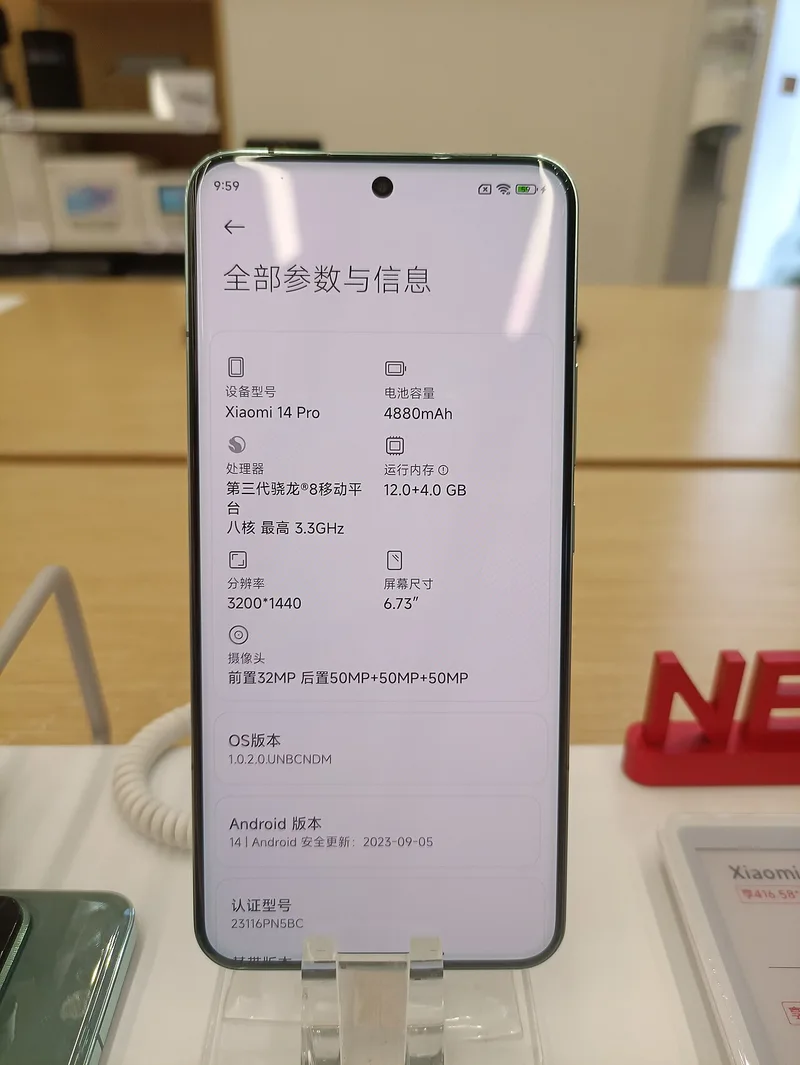
Three separate factors determine how long a phone stays genuinely usable, and they rarely run out at the same time. The first is battery health, which degrades gradually with every charge cycle and becomes the most common reason people replace an otherwise-functional phone — a battery that's dropped to 70-80% of its original capacity means noticeably shorter time between charges and, on some phones, reduced peak performance to protect the aging cell. The second is software support: manufacturers commit to a fixed number of years of OS updates and security patches, and once that window closes, the phone keeps working but stops receiving fixes for newly discovered vulnerabilities, which is a real security consideration even if the phone still feels fast. The third is app compatibility drift, where newer app versions gradually require processing power or OS features an older phone simply doesn't have, quietly locking you out of updates for the apps you actually use day to day.
Of these three, software support length has become the most important factor to check before buying, because it's now wildly inconsistent across brands. Recent flagship iPhones and Google's Pixel line both commit to seven years of OS updates, while many Android phones outside the flagship tier still only guarantee two to three years — a gap that matters enormously if you plan to keep a phone for the long term rather than upgrading on a fixed schedule.
The Real Signs It's Time to Upgrade
A handful of concrete signals matter far more than a phone's calendar age. Battery health dropping below roughly 80%, confirmed in your phone's own battery settings rather than guessed at, is a legitimate trigger — though it's worth pricing out a battery replacement first, since it's often $50-$100 and can add one or two more years of comfortable use for a fraction of a new phone's cost. Missing security updates is a harder line: once a manufacturer stops shipping patches, continuing to bank, message, and browse on that device carries a real and growing risk that gets worse every month it goes unpatched. And storage that's perpetually full despite regular cleanup is a legitimate daily-friction problem, though it's also one worth solving by actually checking your needs — see our guide to how much RAM and storage you actually need before assuming a full upgrade is the only fix, since a cheaper cloud storage plan or app cleanup often solves the same problem.
Signs You Don't Actually Need to Upgrade
A new phone launching is not, by itself, a reason to upgrade — and it's worth saying plainly because marketing is specifically designed to make a one-year-old flagship feel outdated when it usually isn't. Camera improvements between consecutive annual models are typically incremental rather than transformative; the meaningful camera jumps tend to happen every two to three generations, not every single year. The same is true of raw processing speed for everyday tasks like browsing, messaging, and social media, where a three- or four-year-old flagship still performs essentially identically to a brand-new one for anything short of demanding gaming or heavy video editing.
If your current phone still has strong battery health, is still receiving security updates, and does everything you actually need it to do, the financially sound move is almost always to wait, regardless of what's being announced. That's especially true given how trade-in program valuations work — a phone traded in one generation later usually still fetches a reasonable credit, so waiting rarely costs you the trade-in value people assume it does, and it avoids paying full price for marginal improvements you might not even notice in daily use.
The Carrier Upgrade Trap
Carrier-subsidized "upgrade every year" plans deserve a specific warning, because they're structured to make frequent upgrading feel free when it usually isn't. These plans typically require trading in your current phone toward a new installment loan every 12 to 24 months, which means you never actually finish paying off a device and never truly own one outright — effectively renting a phone indefinitely at a monthly cost that, added up over several years, is often meaningfully higher than buying a phone outright and using it for its full natural lifespan. The plans are genuinely useful for people who value always having the newest hardware and are willing to pay a premium for that, but they're a poor fit for anyone whose actual goal is minimizing total cost, since the math almost never favors perpetual financing over outright ownership held for several years.
A Realistic Framework for Timing Your Next Upgrade
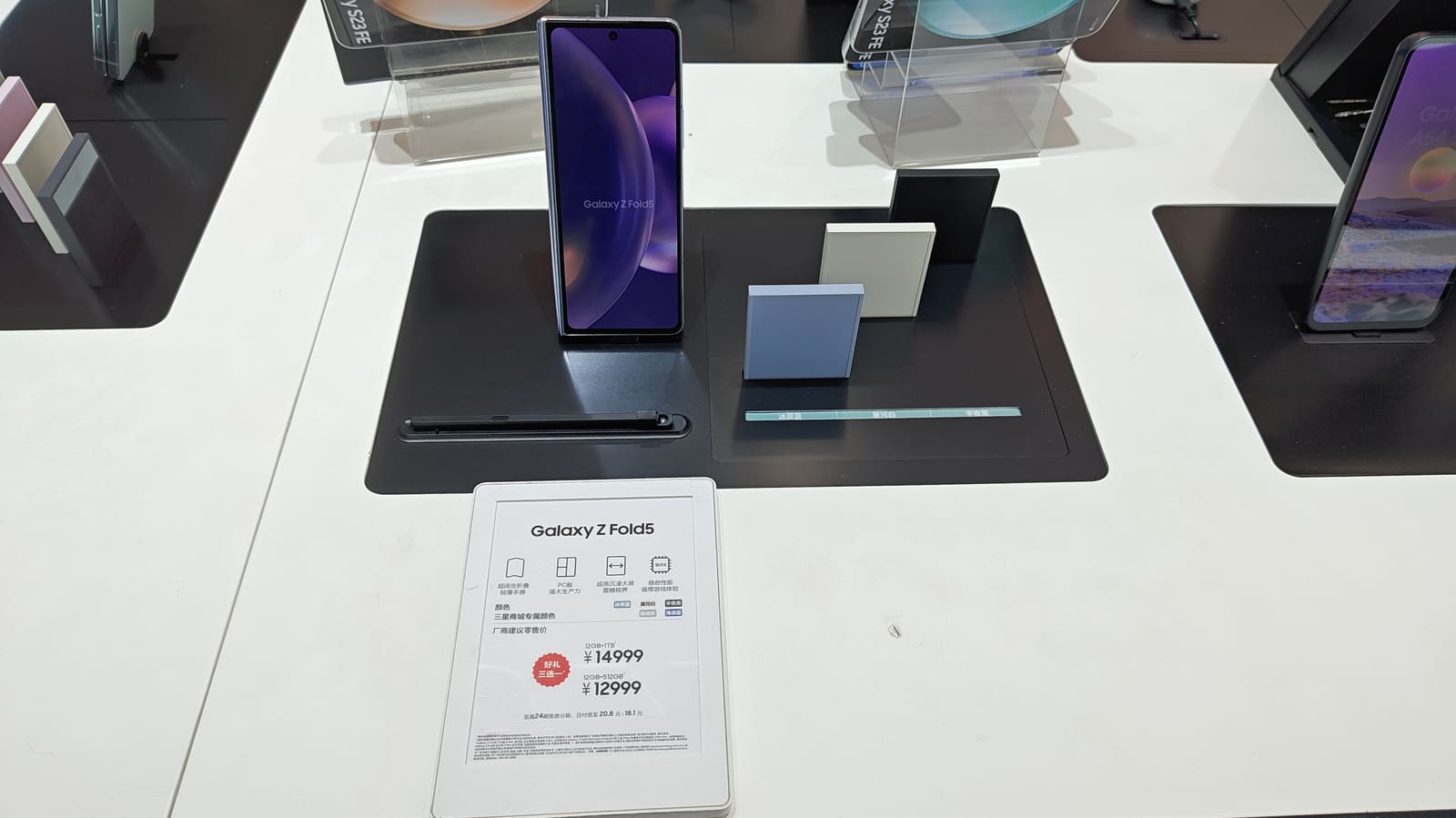
Rather than upgrading on a fixed schedule, a better approach is checking three things annually: current battery health percentage, remaining years of guaranteed software updates for your specific model, and whether storage or performance is causing genuine daily friction rather than just occasional mild annoyance. If none of those three show a real, measurable problem, skipping that year's upgrade cycle costs you nothing beyond having a slightly less shiny phone. If one or more genuinely does show a problem, that's a real signal worth acting on — and at that point, it's also worth comparing a different form factor like a foldable rather than defaulting to the same style of phone you already had, since an upgrade is exactly the moment when switching categories costs the least in sunk cost.
The two-year cycle isn't wrong for everyone — some buyers genuinely value having the newest camera and chip every cycle, and that's a legitimate preference worth paying for. But for anyone upgrading mostly out of habit rather than a specific unmet need, phones simply last longer than the industry's marketing calendar suggests, and the money saved by waiting an extra year or two is usually a lot more noticeable than the incremental spec bump would have been.