Foldable Phones in 2026: Galaxy Z Fold vs Pixel Fold
Foldable phones have been on the market long enough now that the novelty question — "does it fold?" — has stopped mattering. The question that actually decides purchases in 2026 is whether a book-style foldable is a genuinely better tool than a flagship slab phone, or just a more fragile and more expensive version of one. Samsung's Galaxy Z Fold line and Google's Pixel Fold line answer that question in two different ways, and the gap between them tells you a lot about what each company thinks a foldable is actually for.
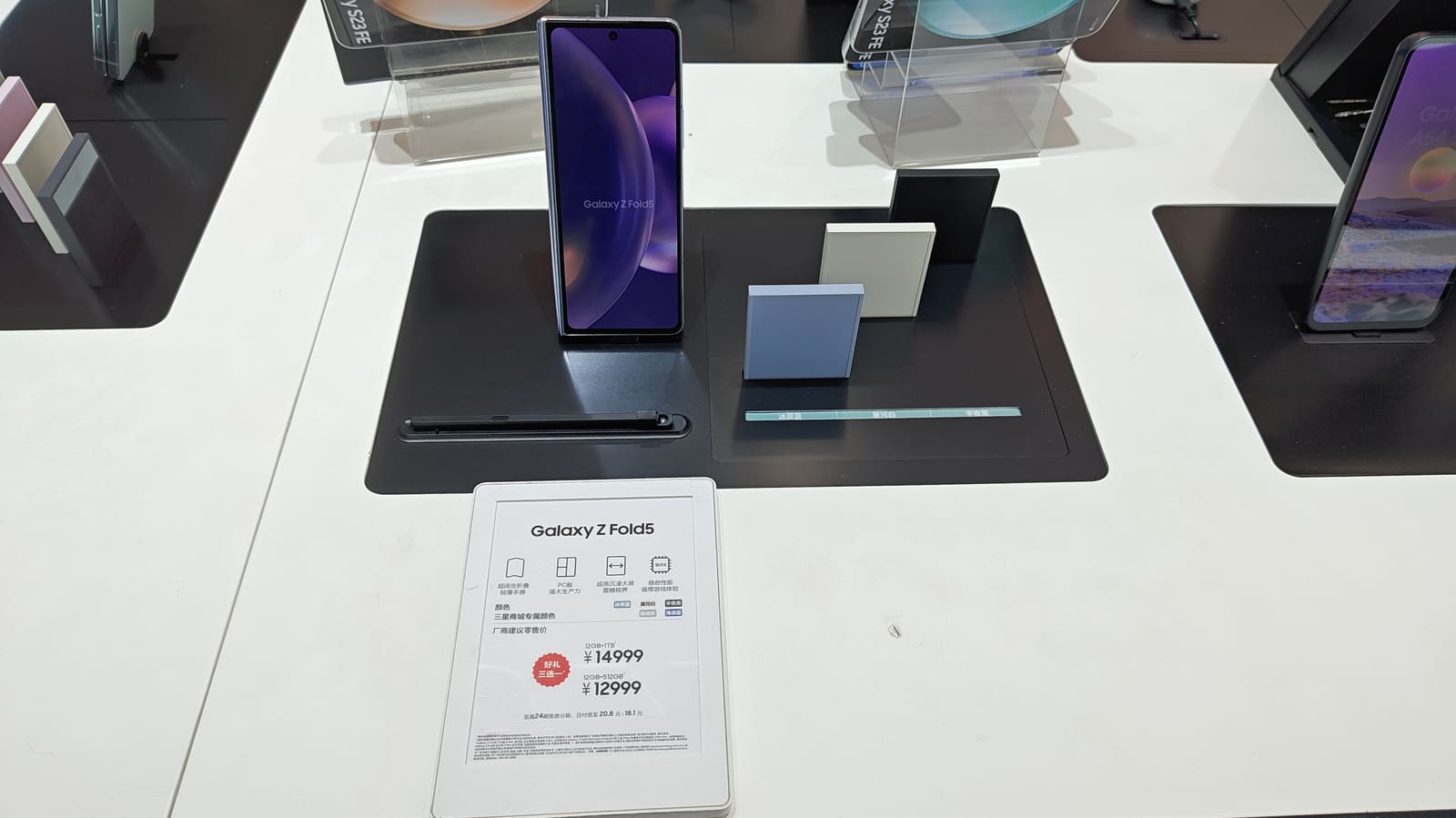
Samsung has the longer track record here. The Galaxy Z Fold has gone through several generations of hinge engineering, and it shows in the details that are easy to overlook in a spec sheet: how flat the inner display sits, how little the crease catches the light at an angle, how the phone survives being dropped closed on a hard floor. Samsung treats the Fold as a productivity device first and a phone second — the cover screen is narrow and tall like a normal phone, but the inner display is where Samsung wants you living, with multitasking, an S Pen option, and DeX desktop mode all built around the idea that you occasionally want a small tablet, not just a phone that unfolds.
Two Different Ideas of What a Fold Is For
Google's approach with the Pixel Fold line is noticeably different. The cover display is wider and closer to a standard phone aspect ratio, which makes the closed phone far more usable for everyday tasks like typing a text or browsing one-handed — something the narrower Galaxy Z Fold cover screen has always struggled with. Open it up, and Google leans hard on software: Gemini-powered features, camera processing borrowed from the Pixel line, and a inner display that is built for content consumption and split-screen apps rather than pen input. There's no stylus story here at all. Google is betting that most people who buy a folding phone actually just want "a normal Pixel that also unfolds into a bigger screen when useful," not a pocket tablet with phone capabilities bolted on.
That difference in philosophy is the single most important thing to understand before comparing specs. If you evaluate these two phones purely on hinge durability, display brightness, or chip benchmarks, you'll miss the point. The Fold and the Pixel Fold are not competing to be the same product done slightly better or worse — they're competing on two different bets about how a folding screen should change your daily habits.
Durability and the Crease Problem
Every foldable still has a visible crease, and every foldable is still more fragile than a slab phone with no moving parts. That has not changed, and anyone telling you the crease is "gone" on the latest model is exaggerating. What has changed generation over generation is how much the crease bothers you in practice under normal lighting, and how the hinge holds up over a year or two of daily folding. Samsung's titanium hinge frame and IP-rated water resistance give the Z Fold a meaningful durability edge on paper, and it's backed by several years of real-world data from earlier Z Fold owners. Google is newer to this category, and while the Pixel Fold's hinge has held up reasonably well in independent durability testing, it doesn't have the multi-generation track record Samsung has built.
Screen protectors are part of this conversation too — both phones ship with a factory-applied plastic protective layer over the inner display rather than glass, because glass doesn't fold. That layer is more prone to scratching than a normal phone screen, and third-party replacement layers are a real cost to budget for if you keep the phone more than a year. This is genuinely different from owning a flagship smartphone with Gorilla Glass on top, and it's worth being honest with yourself about whether you're the kind of phone owner who already cracks screens, because a foldable punishes that habit more than a normal phone does.
Camera Performance: Still the Compromise
Neither foldable matches the best cameras on the market, and that's worth saying plainly. Folding hardware forces compromises in camera module thickness and placement, and both Samsung and Google build their true camera flagships — the Galaxy S Ultra and the Pixel Pro line — with meaningfully better sensors than what fits in their respective folds. If camera quality in low light is your top priority, a dedicated flagship like the phones compared in our Pixel vs iPhone camera comparison will outperform either fold. That said, the gap has narrowed. Google's computational photography pipeline, the same one that makes the standard Pixel line so strong, carries over to the Pixel Fold and produces noticeably better low-light shots than the Z Fold's more hardware-dependent approach — Samsung tends to brighten aggressively where Google preserves more natural detail, a pattern that holds across Samsung's camera lineup generally.
Samsung's answer is the cover-screen selfie trick: because the inner camera can act as your selfie camera while using the outer display as a viewfinder, you effectively get a much better "front camera" than any conventional phone offers, since it's really your main rear sensors doing the work. It's a clever hardware trick that Google's cover-screen shape doesn't replicate as gracefully.
Software and Multitasking
This is where the Fold pulls ahead for anyone doing real work on the device. Samsung's multi-window support, drag-and-drop between apps, and DeX mode make the inner screen genuinely useful for spreadsheet edits, email triage, or reading long documents without constant scrolling. It's the closest a phone gets to feeling like a small laptop. The Pixel Fold's multitasking is more basic — you get split screen, but the ecosystem of apps optimized for the unfolded aspect ratio is thinner, and Google hasn't pushed developers toward foldable-specific layouts as aggressively as Samsung has over the years.
Where Google wins back ground is in the everyday software experience: Pixel phones get feature updates and Android security updates faster and for longer than most Samsung devices, and the Gemini integration feels native rather than bolted on top of a heavily skinned interface. If you've read our breakdown of how Gemini compares to ChatGPT as a daily assistant, that same Gemini experience is arguably more useful on a Pixel Fold than on almost any other device, because the larger unfolded screen gives multi-step assistant tasks more room to actually show their work.
Price and Who Should Actually Buy One
Both phones sit well above flagship pricing, and neither is a rational purchase if your only goal is getting the best phone-shaped value for your money — a standard flagship will out-perform either fold on camera, battery efficiency, and price for the vast majority of daily use cases. Foldables are a lifestyle purchase for people who have identified a specific use case: reading and annotating documents on a train commute, running two apps side-by-side constantly, or simply wanting the novelty and prestige of the format enough to pay the premium and accept the added fragility.
Given that premium price tag, timing your purchase matters more with a foldable than with almost any other gadget category. These are exactly the devices worth waiting for a seasonal trade-in promotion or price cut rather than buying at launch — our guide on spotting a real tech discount versus a manufactured one applies especially well here, since foldable "sales" are often just standard carrier trade-in deals repackaged to look like limited-time offers. If you can wait, pairing patience with the right sales window — covered in our guide to the best time of year to buy new electronics — can knock a meaningful percentage off either phone.
If you want a pocketable tablet that replaces a laptop for light productivity and you're willing to baby a screen protector, the Galaxy Z Fold is the more mature, more durable, more capable choice. If you want a phone that happens to unfold into a bigger screen occasionally, without changing how you use your phone day to day, and you value fast software updates and a cleaner Android experience, the Pixel Fold is the better fit. Neither is wrong — they're just answering a different question about what a folding screen is supposed to do for you.