Qi2 Wireless Charging: What the Magnetic Upgrade Actually Changes
Wireless charging has quietly gone through its biggest upgrade in years, and most people shopping for a new charging pad have no idea the standard changed underneath them. Qi2, the successor to the original Qi wireless charging standard that's been in phones for over a decade, isn't just a speed bump — it changes how the phone and the charger physically relate to each other, borrowing an idea Apple pioneered and then handing it to the entire industry. Here's what actually changed, and whether it's worth caring about.
The magnet is the real story, not the wattage
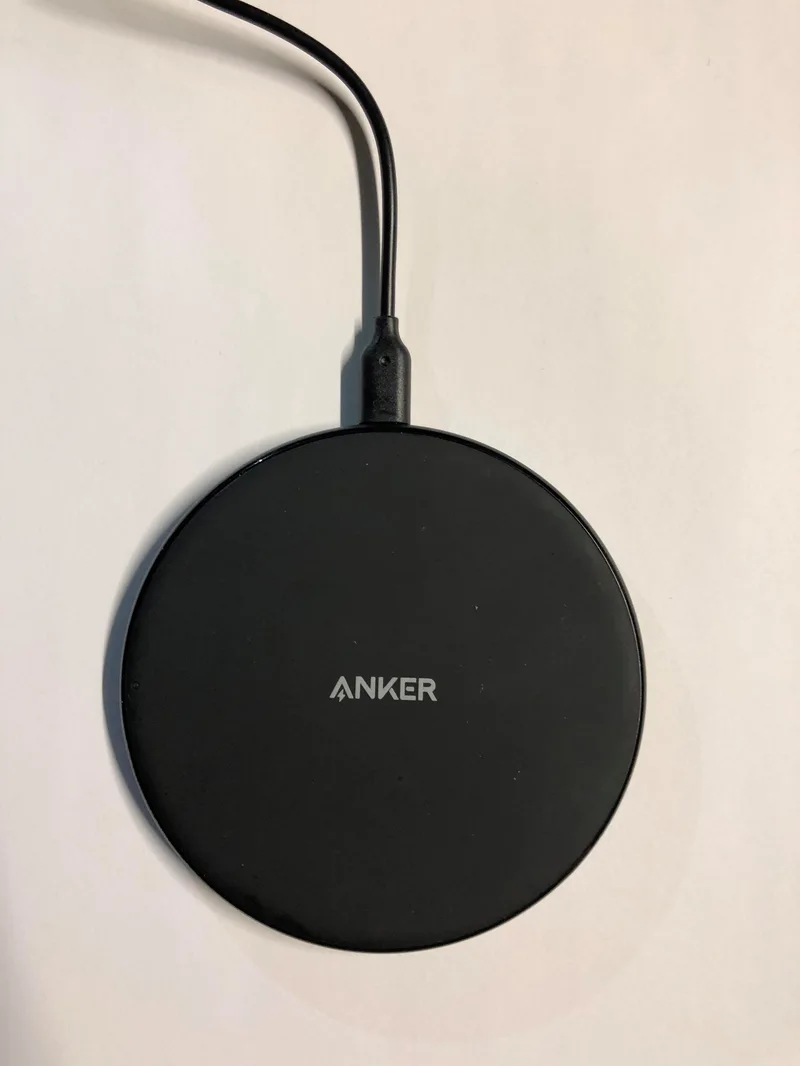
The headline feature of Qi2 is a built-in ring of magnets that snap a phone into precise alignment with a charging pad, a system directly derived from Apple's proprietary MagSafe design introduced years earlier on the iPhone. Before Qi2, wireless charging coils had to be roughly centered by eye, and even a small misalignment could cut charging speed dramatically or stop it working entirely — a common complaint with older charging pads where a phone would charge fine one night and mysteriously slower the next simply because it shifted slightly overnight. The magnetic alignment solves that specific annoyance directly: the phone clicks into the same optimal position every time, which means consistent charging speed instead of a small gamble each time you set the phone down.
Why this used to be an Apple-only feature
Apple's original MagSafe system was proprietary, meaning only iPhones got the benefit of magnetic snap-alignment while Android phones were stuck with the older, alignment-sensitive charging experience regardless of how expensive the phone was. Qi2 changes that by building a version of the same magnetic-alignment concept into the open industry standard maintained by the Wireless Power Consortium, the same group responsible for the original Qi standard that both Apple and Android manufacturers already used. That means Android flagships that adopt Qi2 get the same snap-to-align convenience previously exclusive to iPhones, and accessory makers can build a single magnetic charging pad or wallet mount that works reliably across both ecosystems instead of needing separate proprietary designs for each.
What actually changed for charging speed
Qi2's baseline specification standardizes wireless charging at up to 15 watts for compatible devices, matching what MagSafe already offered on iPhones, though actual real-world speed still depends heavily on the specific phone, the charger's power output, and whether the phone allows full wireless charging speed while also actively being used. It's worth noting that some manufacturers, including Samsung on certain flagship models, have historically implemented faster proprietary wireless charging above 15 watts using their own charging pads, meaning Qi2's standardized speed is a floor for cross-compatible chargers rather than necessarily the fastest wireless charging available on every phone.
Which phones actually support it
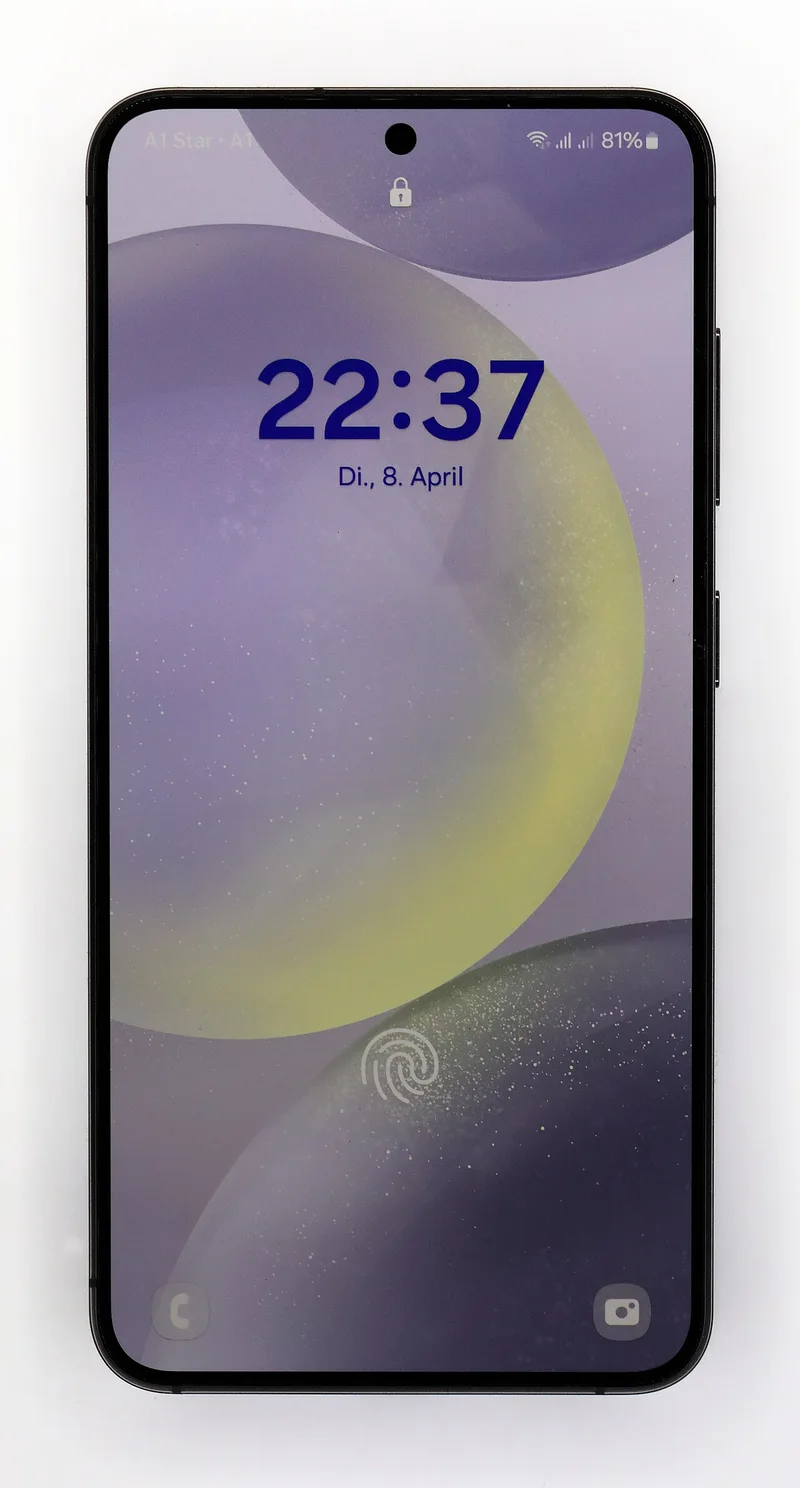
Qi2 support isn't universal across every phone still being sold, since it requires both the magnetic ring hardware and updated charging circuitry that wasn't present in older phone models, meaning a phone released before the standard existed generally can't gain full Qi2 magnetic functionality through a software update alone. Current-generation flagships from most major manufacturers have added support, but mid-range and budget phones have been slower to adopt it, and it's worth checking a specific phone's support explicitly rather than assuming any recent wireless-charging-capable phone includes the magnetic feature. Phones like the iPhone 16 Pro and Samsung's more recent flagships, covered in our look at the Galaxy S24, both represent the kind of current flagship tier where Qi2-class magnetic charging has become standard rather than exceptional.
The accessory ecosystem this unlocks
Once magnetic alignment became a cross-brand standard rather than an Apple-only feature, it opened the door to a wider range of accessories that snap directly onto a phone regardless of brand: car mounts that hold a phone securely while charging during a drive, wallet attachments, stands that prop a phone up in landscape mode for video calls, and battery packs that magnetically attach rather than needing a cable. Because Qi2 accessories aren't tied to a single manufacturer's ecosystem the way MagSafe originally was, buyers get meaningfully more choice and typically lower prices as more companies compete to make compatible accessories, rather than relying on official first-party accessories priced at a premium.
Backward compatibility and what happens with older devices
Qi2 chargers remain backward compatible with older Qi-standard phones and older Qi wireless chargers, meaning buying a new Qi2 charging pad won't strand a household's existing older devices — they'll simply charge without the magnetic snap and generally at the lower speeds those older devices always supported, since the new standard was deliberately designed as an additive upgrade rather than a replacement that breaks existing hardware. This matters for households upgrading one device at a time rather than replacing every phone and charger simultaneously, since a single modern Qi2 pad handles both an older phone charging conventionally and a newer Qi2 phone charging with the magnetic alignment, all from the same piece of hardware.
Is it actually worth upgrading your charger for
For anyone whose current wireless charging setup already works reliably, Qi2 isn't an urgent upgrade — the core charging speed difference over a well-aligned older Qi charger is modest. Where it genuinely earns its keep is in situations where alignment has been a recurring annoyance: nightstand charging where a phone gets bumped or repositioned, car mounts where vibration during driving can shift a phone off an unmagnetized pad's charging coil, or simply for anyone who's grown tired of glancing at a charging indicator to confirm the phone actually started charging rather than just resting on the pad. If you're buying a new phone and a new charger at the same time anyway, choosing Qi2-compatible hardware for both costs little extra and removes a genuinely persistent small frustration from daily use.
How it fits alongside faster wired charging
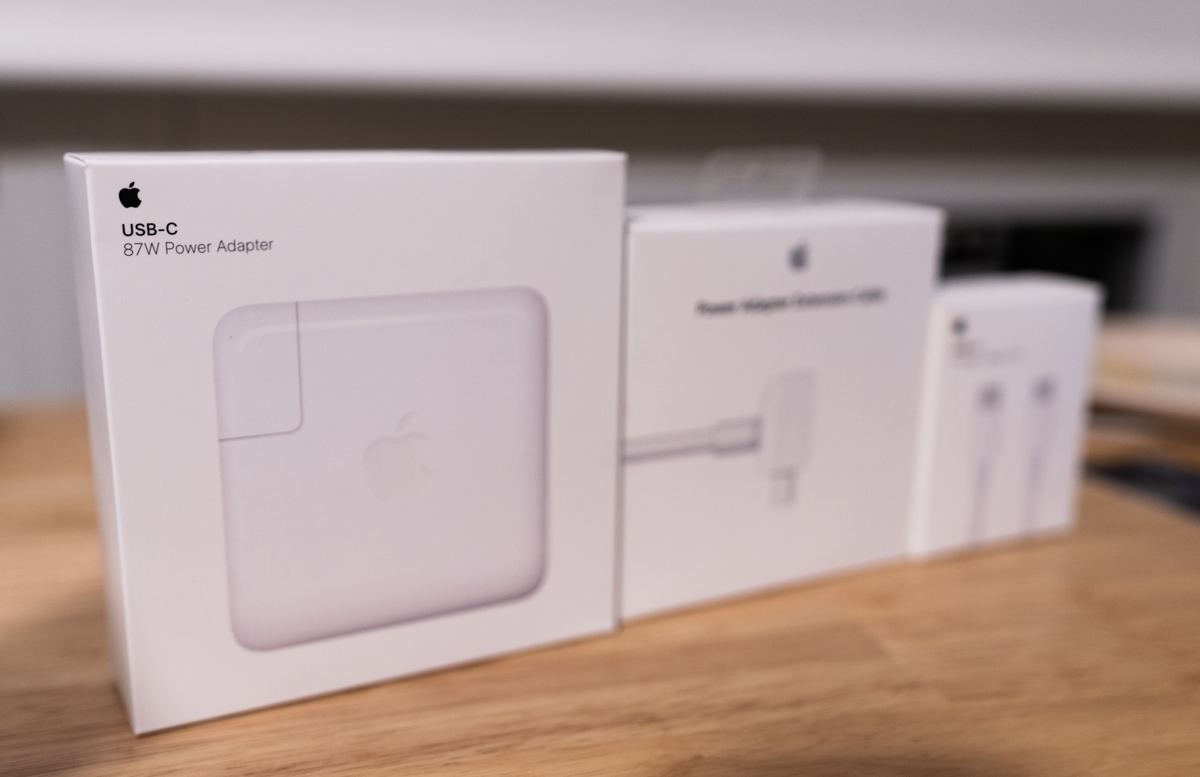
It's worth being clear-eyed that wireless charging, even at Qi2's improved consistency, still generally trails dedicated wired fast-charging standards in raw speed and efficiency — a wired connection simply transfers power more directly than an induction coil ever will, and it generates less waste heat in the process, which is why phone makers still bundle a USB-C cable rather than positioning wireless as a full wired replacement. The practical reality for most owners is that wireless charging, magnetic or not, works best as a convenient way to top up a phone at a desk or nightstand without plugging in a cable, while a wired connection remains the faster choice when a battery genuinely needs a quick top-up before heading out the door. Our breakdown of how modern phone fast-charging technology actually works covers that wired side of the equation in more depth, including why charging speed claims on a spec sheet don't always translate directly into real-world minutes.
Regulatory pressure is pushing the whole industry toward one standard
Wireless charging's push toward a single cross-brand standard is part of a broader pattern playing out in charging technology generally, following regulatory moves like the European Union's requirement that phone manufacturers standardize on USB-C for wired charging rather than maintaining separate proprietary connectors. Qi2's magnetic alignment system reflects a similar industry-wide motivation: reduce fragmentation, let accessory makers build once for every brand, and reduce the amount of charging hardware that becomes obsolete the moment someone switches phone brands. That's a genuinely consumer-friendly direction regardless of which phone ecosystem you're in, and it's part of why Qi2 adoption has spread across manufacturers faster than most wireless charging improvements have historically managed.