How Fast Charging Actually Works: Phone Charging Speeds Explained
Phone spec sheets throw around charging numbers like 65W or 120W as if they mean the same thing across every brand, but fast charging is one of the least standardized parts of the entire smartphone industry. Two phones with nearly identical wattage ratings can charge at meaningfully different real-world speeds, and understanding why requires looking past the headline number to the actual technology moving electricity into the battery.
The Standard Everyone Builds On: USB Power Delivery
Underneath almost every modern fast-charging phone is USB Power Delivery (USB-PD), the open standard that lets a charger and a device negotiate voltage and current over the same USB-C cable used for data and video. USB-PD 3.1 extended the spec up to 240W for laptops and other high-power devices, though phones themselves rarely draw anywhere near that; most flagship phones cap out between 25W and 100W even when the charger in the box is rated higher, because the limiting factor is how much heat the battery and internal circuitry can safely dissipate, not how much power the charger can supply.
USB-PD is why a generic 65W GaN charger from a third-party brand can often charge an iPhone or a mid-range Android phone nearly as fast as the manufacturer's own charger — as long as both sides support the same PD profile, the negotiation happens automatically regardless of who made the hardware. This interoperability is also why the EU's common-charger mandate settled on USB-C and PD rather than forcing every manufacturer to converge on identical wattage.
Why Proprietary Fast Charging Still Exists
If USB-PD is universal, why do Xiaomi, OPPO, and other brands keep pushing their own proprietary fast-charging systems — HyperCharge, SuperVOOC, and similar names — instead of just using PD at higher wattages? The answer is mostly about where the power-management circuitry sits. Standard PD charging converts high voltage down to battery-level voltage inside the phone, which concentrates heat generation in a small, thermally sensitive space. Proprietary systems like SuperVOOC instead move much of that voltage-conversion circuitry into the charging brick itself, so the phone receives power closer to the battery's native voltage and generates less internal heat during the fastest charging phase. That's the core engineering trick behind phones that claim to charge from empty to 50% in under fifteen minutes — the wattage number alone doesn't explain it; where the heat gets generated does.
The tradeoff is that these proprietary systems generally require the charger, cable, and phone to all be from the same ecosystem to hit their advertised peak speeds. Plug a SuperVOOC phone into a generic USB-PD charger and it will still charge, often reasonably fast, but not at the manufacturer's headline number, because the phone falls back to standard PD negotiation without its own charger's specialized circuitry on the other end of the cable.
The Charging Curve: Why the Last 20% Always Takes Forever
Every fast-charging system, regardless of brand, follows a similar shape: extremely fast from roughly 0-50%, noticeably slower from 50-80%, and slow again from 80-100%. This isn't marketing — it's lithium-ion battery chemistry. Charging a lithium-ion cell at high current when it's mostly empty is relatively low-risk, but as the cell fills up, pushing current in too aggressively raises the risk of lithium plating on the anode, which permanently damages capacity and, in extreme cases, creates a safety hazard. Charge controllers deliberately taper the current as the battery approaches full to protect its long-term health, which is why a phone that seemingly races to 80% in twenty minutes might take another twenty-five minutes to creep from 80% to 100%.
This is also the practical reason many manufacturers and battery-health guides recommend not routinely charging to 100% if you can avoid it, and why some phones now offer an "optimized charging" or charge-limit toggle in software. Repeatedly pushing a lithium-ion cell to full charge and holding it there accelerates the same degradation mechanisms that fast charging's current tapering is designed to avoid during the charge itself — the two issues are related but distinct, and both factor into how much capacity a battery retains after a couple of years of daily use, a topic covered in more depth in our phone upgrade-cycle guide.
Does Fast Charging Damage Your Battery Faster?
This is the most common concern people have, and the honest answer is: somewhat, but less than most people assume with modern phones. Battery degradation is driven primarily by heat and by time spent at very high or very low states of charge, not purely by charging speed in isolation. A phone's charge controller and thermal management are specifically engineered to keep the battery within a safe temperature range even during rapid charging, throttling the current automatically if the cell gets too warm — which is part of why charging speeds visibly drop in hot environments like a car dashboard in summer. Manufacturers that offer the most aggressive fast-charging numbers, particularly Chinese brands pushing 100W-plus, have also invested heavily in dual-cell battery designs (splitting one battery into two smaller cells charged in parallel) specifically to manage the heat and current density that ultra-fast charging would otherwise generate in a single-cell pack.
Wireless Charging: Convenient, Not Fast
Wireless charging based on the Qi standard, and its newer Qi2 revision with Apple-style magnetic alignment, remains meaningfully slower than wired fast charging on almost every phone, typically topping out well below the device's wired maximum. Some energy is inevitably lost as heat during the induction process itself, and manufacturers deliberately cap wireless wattage lower than wired to manage that additional heat load on top of the charging heat already discussed above. Qi2's main improvement isn't charging speed — it's the magnetic snap-alignment borrowed from Apple's MagSafe design, which ensures consistent coil alignment and therefore more reliable (if still not particularly fast) charging compared to older Qi pads where slightly misaligned placement could cut charging speed dramatically or stop it working entirely.
What the Charger in the Box (or Lack of One) Actually Means
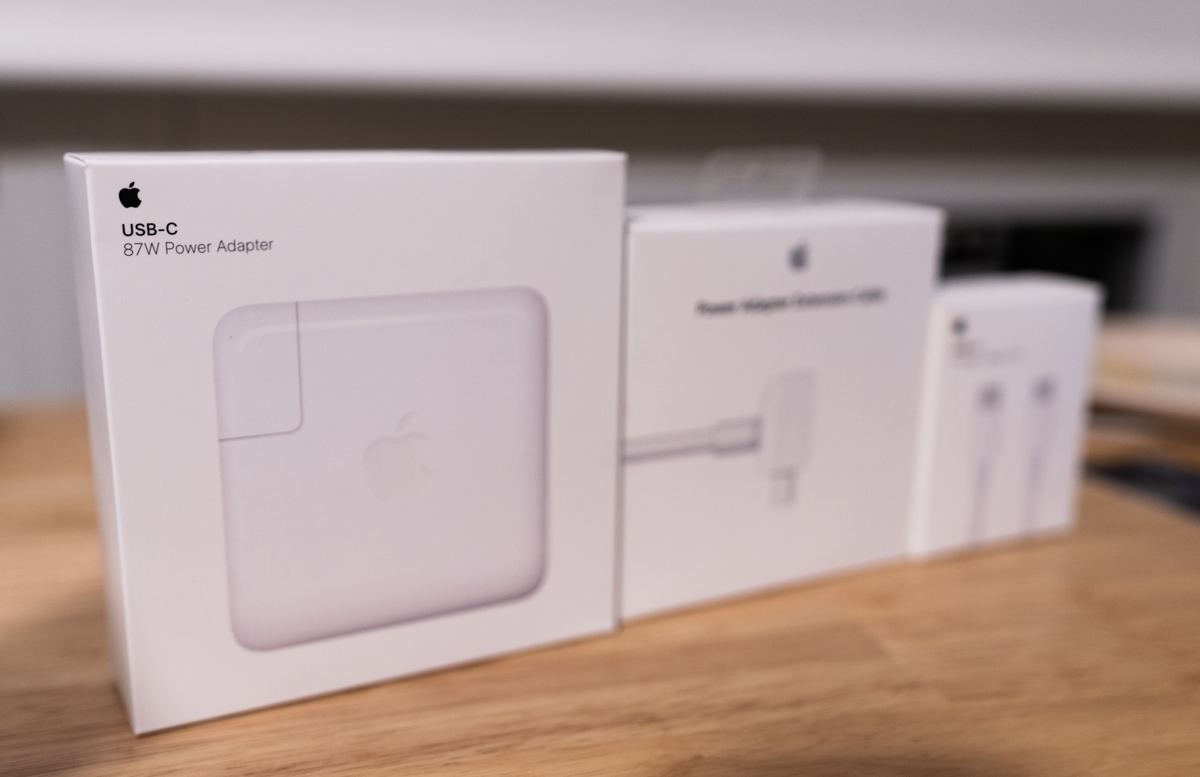
Most flagship phones no longer ship with a charging brick at all, a change Apple started and most of the industry has since followed, officially framed as an environmental decision to reduce e-waste from people who already own compatible chargers. Practically, it means checking that any charger you already own actually supports the wattage and protocol your new phone expects — a basic 18W USB-PD charger will charge a modern flagship, just far slower than its rated maximum, and a charger using an older, non-PD fast-charging protocol may not deliver any speed benefit at all despite a high wattage label on the box.
When shopping for a replacement or backup charger, the wattage number on the brick is a ceiling, not a guarantee — the cable matters too. Older or cheaper USB-C cables are often only rated for lower current loads, and using one with a high-wattage charger silently limits your phone to a much slower charge without any error message telling you why. A cable explicitly rated for the wattage your charger and phone both support is the easiest overlooked fix for a phone that seems to be charging slower than it should, a detail worth checking before assuming the phone itself is the problem, alongside broader buying considerations like the ones in our phone RAM and storage guide.
The Bottom Line
Fast charging is real, measurable, and genuinely useful for the common "I forgot to charge overnight and have ten minutes before I leave" scenario, but the marketing wattage on a box tells you less than it seems to. What actually determines your real-world charging speed is the combination of protocol compatibility between charger and phone, the charging curve's built-in tapering near full, ambient temperature, and whether your cable can actually carry the current your charger is trying to send. None of that shows up in a single headline number, which is exactly why two phones rated at similar wattages can feel meaningfully different to live with day to day — much like choosing between competing laptop display technologies, the spec sheet number is a starting point for research, not the whole story.