eSIM vs Physical SIM: What Actually Changes When You Switch
An eSIM is a small reprogrammable chip built directly into a phone's motherboard, replacing the plastic card you'd normally insert into a SIM tray. Every current flagship phone supports it, and some models sold in specific regions have dropped the physical SIM tray entirely, meaning eSIM is no longer an optional extra feature but, for a growing number of buyers, the only way to get cellular service on the phone at all. Understanding what genuinely changes in day-to-day use — rather than treating it as an invisible background swap — makes switching carriers and traveling noticeably less stressful.
Activation happens on-screen instead of at a store counter
The most immediate difference is activation. A physical SIM requires either visiting a carrier store or waiting for a card to arrive by mail, then physically swapping it into the tray. An eSIM activates by scanning a QR code or through a carrier's app, and the whole process typically takes a few minutes rather than a few days. This matters most for anyone switching carriers on a whim to catch a better deal, or restoring service quickly after a lost or stolen phone, since there's no physical card to reissue and re-mail before service resumes.
Traveling internationally is where eSIM earns its keep
Traveling internationally is genuinely where eSIM makes the biggest practical difference. Instead of hunting for a local SIM card vendor at an airport or paying steep international roaming rates from a home carrier, travelers can buy a short-term data eSIM from a local or global provider before ever leaving home, and activate it the moment they land — all without removing a home SIM or losing access to it. Many current phones support multiple active eSIM profiles simultaneously alongside a physical SIM or another eSIM, meaning a traveler can keep their home number reachable for calls and texts while using a separate, cheaper local data plan for everyday browsing and navigation.
Dual SIM without the dual-tray hassle
Running separate work and personal numbers on one phone used to mean either carrying two physical devices or using a dual-SIM tray that sacrificed expandable storage on some models. With eSIM, a single phone can maintain a physical SIM for one number and an eSIM for a second, or in supported models, two active eSIM profiles at once, switching between them in settings without ever opening a tray. For anyone managing a work number separately from a personal one, this removes a genuine piece of daily friction that used to require carrying extra hardware.
Losing or replacing a phone works differently
The trade-off shows up most clearly when a phone is lost, stolen, or needs replacing. A physical SIM can simply be pulled out and moved into a new device in seconds. An eSIM requires re-provisioning through the carrier — usually a quick process through an app or a short call, but a process nonetheless, and one that can be more complicated while traveling internationally without easy access to the original carrier's support channels. It's worth checking a specific carrier's eSIM transfer process before relying on it as a primary line while abroad, since not every carrier handles remote re-activation equally smoothly.
Which phones still include a physical tray
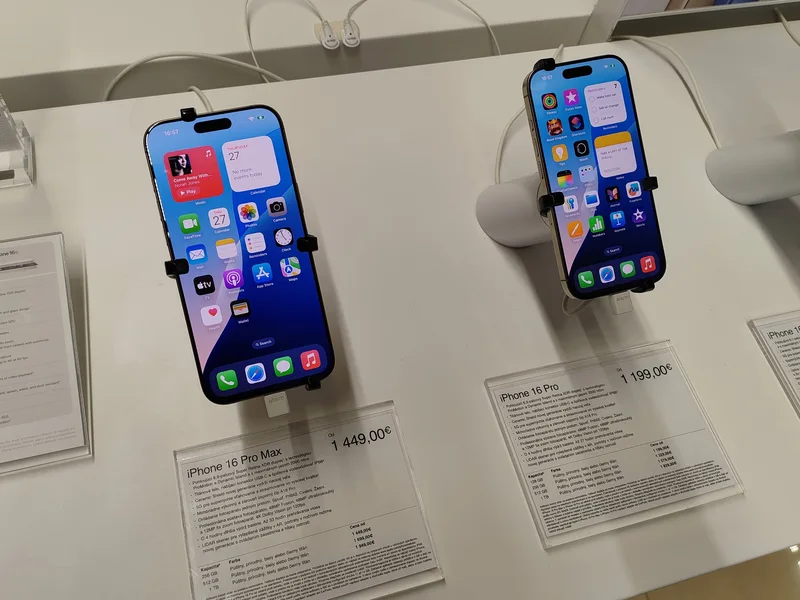
Coverage isn't universal yet: some regions and carrier-locked models still ship with, or require, a physical SIM tray, and older or budget devices are more likely to lack eSIM support entirely. Current flagships like the iPhone 16 Pro support eSIM broadly, though the exact tray configuration varies by the country a specific unit was sold in — a detail worth confirming before assuming a phone purchased in one region will behave identically in another. Buyers planning to travel frequently or switch carriers often should specifically verify eSIM support and multi-profile limits for their exact phone model and region before assuming it will work the way marketing materials suggest.
Security and resale considerations
eSIM also changes two things worth knowing about ownership. First, because the profile is tied to the device rather than a removable card, a stolen phone's eSIM profile can potentially be remotely deactivated by the carrier more reliably than tracking down a removed physical card. Second, when reselling or trading in a phone, an eSIM profile needs to be explicitly removed through settings — it doesn't just fall out the way a physical card would — so it's an extra step worth remembering before handing a device to a new owner or a trade-in program, similar in spirit to wiping personal data before a sale.
Connectivity habits are shifting alongside eSIM adoption
eSIM adoption is part of a broader shift in how phones handle connectivity away from traditional cellular networks entirely, alongside features like satellite emergency messaging for areas with no cell coverage at all — our satellite SOS comparison covers that complementary technology and how the major phone makers currently differ in supporting it, which is useful context for understanding how much connectivity flexibility current flagship phones now offer beyond a single physical SIM card tied to one carrier.
How carriers and phone makers are pushing eSIM-only
Some carriers now offer modest discounts or waived activation fees specifically for choosing eSIM over a physical card, since eSIM removes the cost of manufacturing and mailing plastic cards at scale. Phone makers have followed a similar trajectory on select flagship models, offering an eSIM-only variant alongside a traditional physical-tray version in some markets, effectively letting the industry test full eSIM adoption in the regions where carrier infrastructure and customer familiarity are furthest along before rolling it out everywhere. This gradual, market-by-market rollout is worth watching if you're deciding whether to buy an eSIM-only phone variant now or wait for physical-tray options to be phased out more broadly, since the transition timeline still varies significantly by country and carrier.
What to check before your next carrier switch
Before switching carriers on an eSIM-equipped phone, it's worth confirming three things directly with the new carrier: whether they support a direct eSIM transfer from your current provider without needing to visit a store, whether your specific phone model is on their supported device list (not universal even among major carriers), and what their process looks like if you need to reactivate service while traveling internationally without in-person support available. These are the details that most commonly trip up an otherwise smooth eSIM switch, and confirming them in advance avoids the scenario of being without service during an actual carrier transition.
Should this change how you buy your next phone?
For most buyers, eSIM support is now simply a given on any current flagship and doesn't need to factor heavily into a purchase decision on its own. It's worth checking specifically if you travel internationally often, manage multiple phone numbers, or tend to keep a phone for several years — our phone upgrade-cycle guide is a useful companion read, since a longer ownership window increases the odds that eSIM-only regional variants and carrier support will have shifted meaningfully by the time you're ready to switch numbers or providers again.