Smart Smoke and CO Detectors Explained: What Makes Them Actually Worth the Upgrade
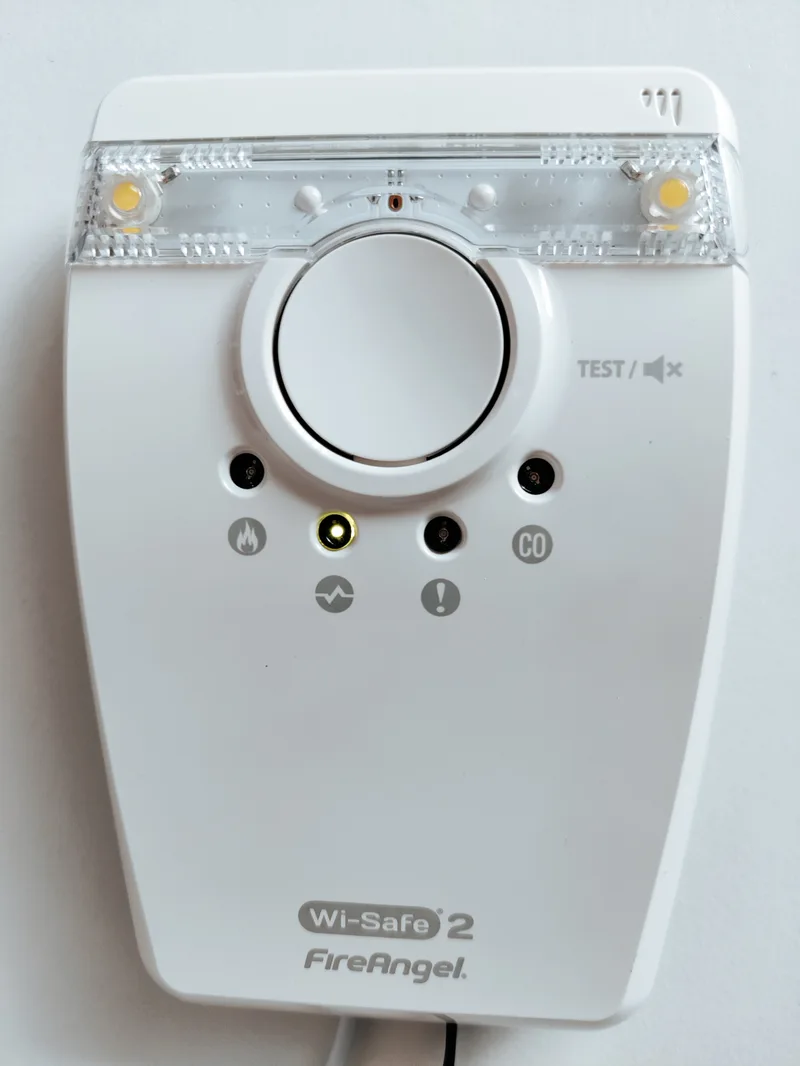
A basic smoke alarm does one job: it makes a loud noise near the fire. That's genuinely the core safety function, and it's why building codes have required basic smoke alarms for decades. A smart smoke and CO detector does that same core job and then adds a layer of connected features on top — features that cost real money and, unlike the alarm itself, are not required by any safety code. Understanding exactly what that extra layer does, and doesn't do, is the difference between a genuinely useful upgrade and an expensive gadget that duplicates a $20 alarm.
What every smoke and CO detector must do, smart or not
Whether it's a basic $15 unit or a $120 connected one, every legitimate smoke detector sold today has to pass the same core safety certification for detecting smoke particles or, for combination units, dangerous carbon monoxide concentrations, and sounding a loud local alarm. This baseline function does not require Wi-Fi, an app, or a subscription, and it will keep working during a power or internet outage as long as the unit has battery backup. Nothing about "smart" features should be treated as a replacement for this certified core detection, only an addition to it.
What "smart" actually adds: remote alerts
The single most useful feature a connected detector adds is a push notification to a phone when it triggers, even when nobody is home to hear the physical alarm. This matters most for carbon monoxide, which is odorless and can incapacitate people before they notice anything wrong, and for households that travel, have pets home alone, or have family members who might not hear a standard alarm, including people who are hard of hearing. A basic alarm protects people who are present and awake; a connected one extends at least a warning to people who are somewhere else entirely, which is a genuinely different safety capability, not just a convenience feature.
Interconnection: the feature that matters most in a real fire
Smart detectors can typically talk to each other wirelessly, so when one unit in a bedroom detects smoke, every other unit in the home sounds its alarm too, even ones nowhere near the fire. This is arguably the single most valuable smart feature for actual life safety, because fires can start far from where people are sleeping, and every extra second of warning matters. Older hardwired interconnected systems could already do this over dedicated wiring, but wireless interconnection makes it realistic to retrofit into homes that were never wired for it, without an electrician pulling new cable through walls.
Self-testing and battery monitoring
Dead batteries are one of the most common reasons a smoke alarm fails to work when it's needed — studies on home fire deaths have repeatedly found non-functioning detectors, often due to dead or removed batteries, as a contributing factor. Connected detectors that run periodic self-tests and send a low-battery notification to a phone, rather than relying on someone noticing an intermittent chirp at 3 a.m. and getting around to fixing it, meaningfully close that gap. Some models also track and report sensor end-of-life, since smoke and CO sensors degrade with age and need full replacement, not just a battery swap, typically after seven to ten years.
Smart home ecosystem integration
Many connected detectors work with broader smart home platforms — pausing a robot vacuum, flashing smart lights, or announcing an alert through smart speakers when smoke is detected, which can help wake people or alert them faster than the alarm sound alone in a large home. Increasingly, newer models support the Matter smart home standard, which reduces the risk of being locked into one company's app and ecosystem for years, an ongoing concern across smart home categories, including smart thermostats and similar connected safety devices.
What smart features do not do
It's worth being clear-eyed about the limits. A connected detector does not detect a fire or CO leak any faster or more reliably than a good basic detector using the same underlying sensor technology — the sensing hardware, not the Wi-Fi chip, determines detection accuracy and speed. A phone notification also does nothing if nobody is available to act on it, so it should never be treated as a substitute for evacuation planning or, in the case of a CO alarm at home while people are present, immediately getting outside into fresh air. And subscription-gated features, where some manufacturers place remote alerts or extended history behind a monthly fee, can turn what looks like a one-time purchase into an ongoing cost, similar to the subscription tradeoffs seen with smart water leak detectors.
Who should actually pay the premium
The upgrade is easiest to justify in a few specific situations: homes with an attached garage or fuel-burning appliances where CO risk is elevated, households that are frequently away or that include people who might not hear a standard alarm, larger homes where interconnection meaningfully improves warning time, and anyone who wants confidence that dead batteries won't go unnoticed for months. For a small apartment with someone home most nights and a habit of testing alarms regularly, a basic certified detector with fresh batteries is still a fully legitimate, code-compliant choice — the smart smoke and CO detector layer is an enhancement to safety infrastructure, not a replacement for using it correctly.
Installation and placement still matter most
No amount of connectivity compensates for poor placement. Safety guidance has been consistent for years regardless of whether a detector is smart or basic: install units on every level of a home, inside or near every sleeping area, with CO detectors specifically placed near fuel-burning appliances and attached garages, and away from dead air pockets in corners where smoke or gas may not reach the sensor quickly. A smart detector mounted in the wrong spot still detects a fire or leak slower than a basic one mounted correctly, so placement should be the first consideration when installing either type, before ecosystem features enter into it at all.
The bottom line
The core detection technology in a smart smoke and CO detector is the same certified sensing hardware found in basic alarms; what the extra cost actually buys is remote awareness, wireless interconnection, and better battery and end-of-life monitoring. Those are genuine, meaningful safety improvements for the right household, not marketing fluff, but they only matter on top of a unit that already passes the same core detection standards a basic alarm has to meet.