Xiaomi 14 vs iPhone 16 Pro: Compact Flagship Camera Battle
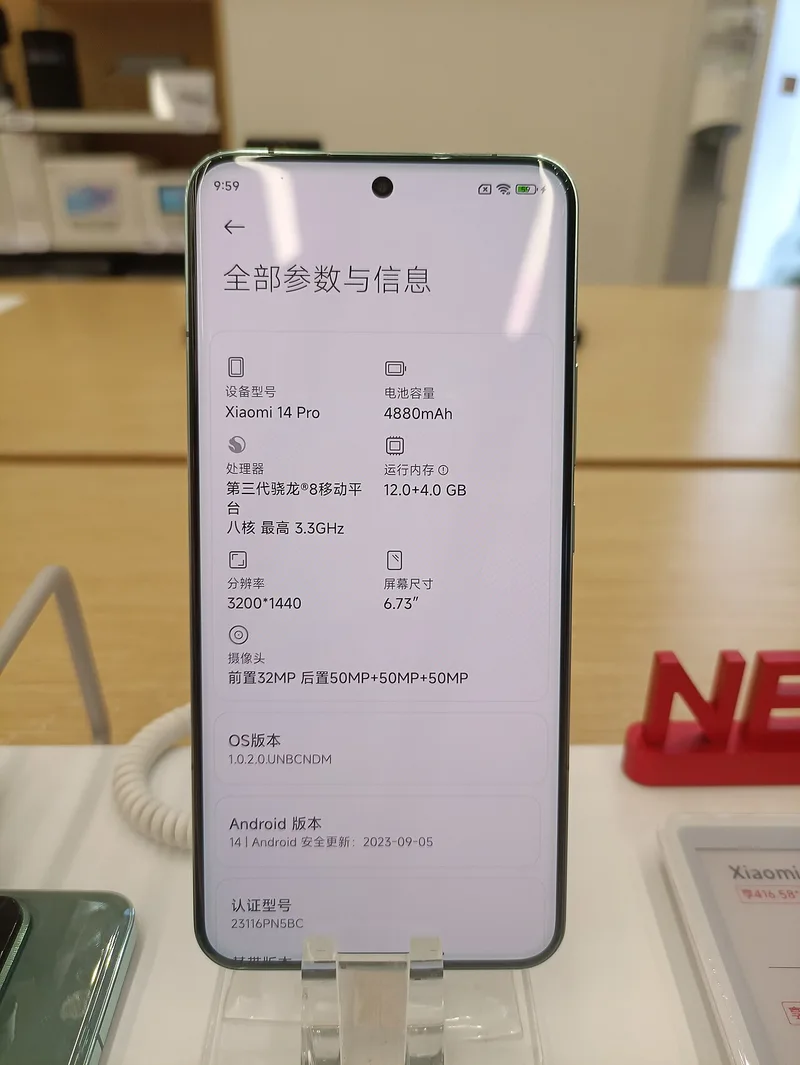
Xiaomi's flagship and Apple's flagship camera phone have circled each other for two generations now, but the Xiaomi 14 and the iPhone 16 Pro are the first pairing where the size argument actually favors Xiaomi outright. Both phones sit in the compact-flagship bracket that most of the smartphone industry has abandoned in favor of 6.7-inch-plus slabs, and both make a real case for why a smaller body doesn't have to mean a smaller sensor.
The Xiaomi 14 ships with a 6.36-inch display and a body that's genuinely one-hand-usable, something that's become rare among phones with flagship-grade optics. Its headline feature is the continued Leica partnership: a co-engineered main sensor and color science pipeline that Xiaomi has iterated on since the 12S Ultra. The 14's main camera uses a 50MP Light Fusion 900 sensor with a physically larger 1/1.31-inch size than most compact flagships bother with, paired with an f/1.6 variable aperture that can step down to f/4.0 for genuine depth-of-field control rather than software simulation.
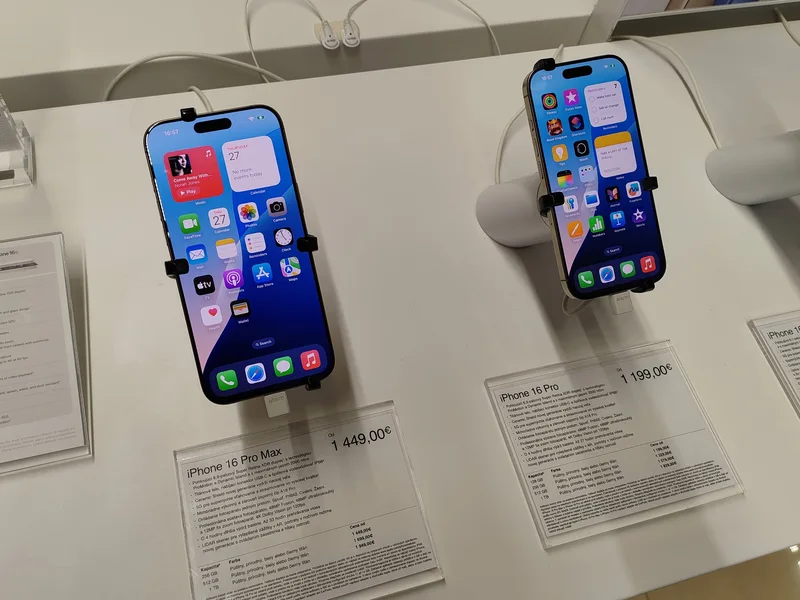
The iPhone 16 Pro counters with the same 6.3-inch class body but leans on the Camera Control button and the A18 Pro's image signal processor rather than a hardware co-branding deal. Apple's 48MP main sensor is smaller on paper, but its advantage has never really been raw sensor size — it's consistency across the entire zoom range and, more specifically, video. Apple's ProRes and Log recording, plus Dolby Vision HDR that actually looks the same on every screen that plays it back, remain a real differentiator that Xiaomi hasn't matched despite competitive photo output.
Where the Leica Partnership Actually Shows Up
The most tangible result of Xiaomi's Leica deal isn't a spec — it's the two-mode color processing system baked into the camera app. "Leica Authentic" aims for a flatter, more realistic tone curve that avoids Xiaomi's older habit of oversaturating skies and skin tones. "Leica Vibrant" is the crowd-pleasing mode, closer to what most Android flagships ship by default. Being able to toggle between the two without diving into a manual color grade is a genuinely useful feature that neither Samsung nor Apple offers in quite the same accessible form — Apple's Photographic Styles are adjustable but don't reference an established optical brand's color language the way Leica's modes do.
In practice, Leica Authentic mode produces images that need less post-processing if you're trying to match a "true to life" look, which matters more than it sounds for anyone shooting product photos, food, or portraits where accurate skin tone reproduction is the entire point.
Low Light: Where the Sensor Size Gap Matters
This is the category where Xiaomi's larger main sensor pays off most visibly. In dim indoor lighting and after-dark shooting, the 14's larger photosites gather more light per pixel before any computational processing kicks in, which translates to less aggressive noise reduction and correspondingly more retained fine detail — hair strands, fabric texture, and text on distant signage hold up noticeably better than on the iPhone 16 Pro's smaller sensor.
Apple compensates with its Photonic Engine and Deep Fusion pipeline, which does an excellent job of producing clean-looking night shots — but "clean" and "detailed" aren't the same thing. Zoom into an iPhone night photo at 100% and you'll often find a slightly smeared, watercolor-like quality where Xiaomi's larger sensor retains crisper edges. Neither phone is bad in low light by any historical standard; this is a genuinely close comparison decided by a few percentage points of detail retention that only shows up under close inspection.
Zoom and Telephoto
The Xiaomi 14's telephoto module is a 50MP 3.2x periscope-style lens, giving it a genuine optical advantage over the standard iPhone 16 Pro's 5x tetraprism (note: the larger iPhone 16 Pro Max gets the 5x lens; the standard Pro uses a shorter 3x telephoto in most regions). At matched focal lengths, both phones perform comparably, with Apple's computational zoom algorithms holding up slightly better past 10x digital zoom thanks to more aggressive multi-frame stacking.
Battery Life and Charging Speed
Camera performance is only half the story for a phone you'll actually carry, and this is a category where the size-versus-battery tradeoff both phones make becomes obvious. The Xiaomi 14 packs a 4,610mAh battery into its compact body — a genuinely large capacity for a 6.36-inch phone, achieved partly through Xiaomi's silicon-carbon anode technology, which packs more energy density into the same physical cell volume than a conventional lithium-ion battery. In mixed use, that translates to a full day of moderate use with headroom to spare, something compact flagships have historically struggled with.
Charging is where the gap becomes stark: Xiaomi ships 90W wired charging that takes the 14 from empty to roughly 100% in under 30 minutes, alongside 50W wireless charging. The iPhone 16 Pro, by comparison, caps out at roughly 27W wired (actual speeds vary by charger and region) and 25W MagSafe wireless, meaning a comparable charge takes well over an hour. Apple has held this line for years despite competitor pressure, and it remains one of the more frustrating aspects of owning a flagship iPhone if you're used to Android-style rapid charging. Neither phone ships a charging brick in the box, so factor that into any total cost comparison.
Price and Where Each Phone Actually Sells
Availability is arguably the biggest practical difference between these two phones. The iPhone 16 Pro is sold in every major market through Apple's own retail network and every carrier partnership imaginable, with consistent global pricing and warranty support. The Xiaomi 14, despite being a genuine flagship, has a much more limited official footprint — it's sold directly in China and much of Europe and Asia, but reaches markets like the US primarily through importers, which complicates warranty coverage, software updates, and 5G band compatibility with local carriers.
For buyers in a market where Xiaomi sells officially, the 14 typically undercuts the iPhone 16 Pro's launch price by a meaningful margin while matching or beating it on raw camera hardware specs. For buyers outside that footprint, importing one is a real commitment that trades regulatory certainty for a camera experience many reviewers rate as genuinely competitive with, and in some low-light scenarios ahead of, Apple's.
The Practical Verdict
If color accuracy and a distinct, brand-associated photo "look" out of the camera matters most, the Xiaomi 14's Leica partnership delivers something Apple doesn't try to replicate. If video quality, cross-device color consistency, and long-term software support are the priority, the iPhone 16 Pro remains the safer choice — its camera app hasn't fundamentally changed in years, which is either a criticism or a feature depending on how much you value stability.
Neither phone is a clear loser here. This is one of the rare flagship comparisons where the "which is better" question genuinely depends on whether you're optimizing for photography as a creative process (Xiaomi) or photography as a reliable, low-effort utility (Apple).