Tri-Fold Phones Explained: How the Next Foldable Format Actually Works
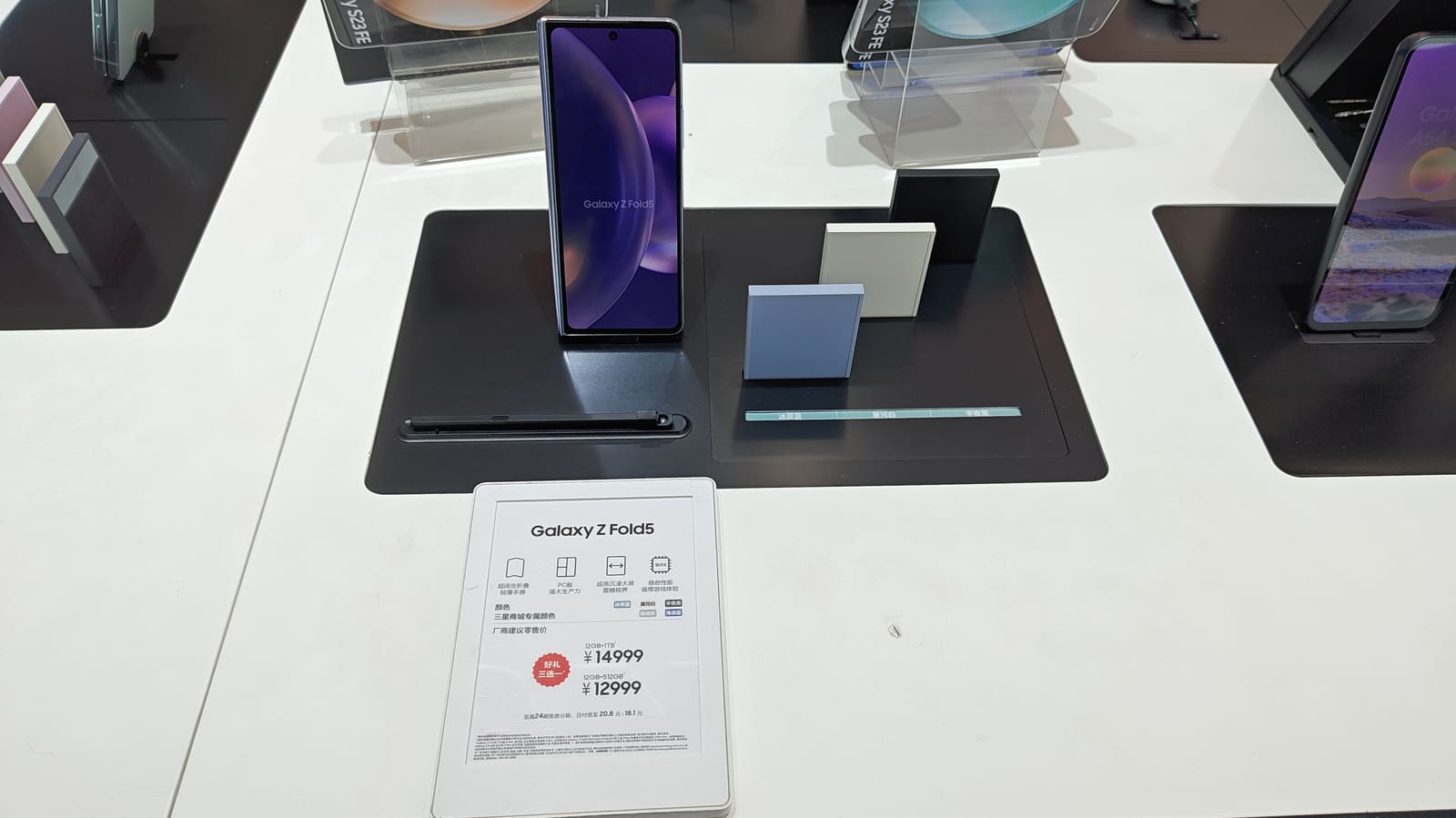
For the first few years of the foldable era, "foldable phone" meant one of two shapes: a book-style fold that opened into a small tablet, or a clamshell that folded a normal-size phone in half. Both formats matured quickly, hinges got thinner, creases got less noticeable, and durability stopped being a reason to avoid buying one. Then phone makers moved on to the next obvious question: what happens if you fold the screen twice instead of once? Tri-fold phones are the answer, and they are a genuinely different engineering problem from a standard foldable, not just an extra hinge bolted onto an existing design.
What a tri-fold phone actually is
A tri-fold phone uses two hinges instead of one, dividing a single continuous display into three panels that fold like a letter tucked into an envelope. Closed, it's roughly the width and height of a normal phone, sometimes a little thicker. Fully unfolded, it opens into a screen close to the size of a small tablet, noticeably larger than what a single-hinge book-style foldable like the Galaxy Z Fold or Pixel Fold produces. The two hinges don't fold symmetrically in most designs; one panel usually folds in first, with the other wrapping around it, so the phone closes into a flat rectangle rather than a lopsided stack. Huawei was first to ship the format at real volume with the Mate XT, and Samsung followed with its own tri-fold design, treating it as the natural next step after years of refining the standard Galaxy Z Fold hinge.
Why a second hinge is so much harder than it sounds
Adding a second fold doesn't just double the engineering difficulty of a foldable hinge, it compounds it. A single hinge already has to solve for crease minimization, dust and water intrusion at a moving seam, and a display flexible enough to survive hundreds of thousands of fold cycles without the panel delaminating or the crease deepening over time. A tri-fold needs two of those solved hinges working in careful coordination, folding in a specific sequence so the panels stack flat and don't collide or bind. The display itself also has to bend in two separate locations without either crease becoming more visible or more failure-prone than a single-fold panel's crease, which is a harder materials problem than it sounds, since flex fatigue tends to concentrate wherever a display has already been stressed once. Battery placement gets more complicated too, since the internal volume is now split across three panel sections instead of two, and the phone still has to balance reasonably evenly in the hand both closed and fully open.
What using one is actually like
Unfolded, a tri-fold's main appeal is screen real estate that starts to approach a small tablet, which matters most for split-screen multitasking, document review, and video or photo editing where more visible canvas genuinely changes the experience rather than just looking impressive. Folded one panel in, some tri-folds offer a middle "half-open" state that behaves closer to a standard single-fold foldable, useful when the full tablet size is more than a given task needs. Closed all the way, the phone works like any other flagship phone, using an external cover display for quick tasks, notifications, and the camera. The tradeoffs are the ones foldable buyers already know, just amplified: tri-folds are thicker and heavier than either a standard foldable or a normal slab phone, more expensive than either, and the crease, while much improved from early foldables, is still visible under certain lighting even on the best current hinges.
Is it a real category or a rich person's novelty
Right now, tri-fold phones sit closer to a flagship halo product than a mainstream option, priced well above even a standard foldable and produced in far smaller numbers. That's a familiar pattern for anyone who followed the first wave of book-style foldables, which launched at steep prices and with real durability doubts before settling into a smaller but stable slice of the smartphone market once hinges matured and prices came down from their initial highs. Tri-folds are earlier in that same curve. Whether the format follows the same path toward broader adoption depends heavily on whether hinge durability holds up over years of real-world folding cycles rather than lab tests, and whether the extra thickness and weight can come down enough that carrying one doesn't feel like a compromise the rest of the day, similar to how thermal engineering had to mature before slim flagship phones could push performance without overheating.
How it compares to a standard foldable
Anyone deciding between a tri-fold and a standard book-style foldable is really deciding how much they value maximum unfolded screen size versus pocketability and price. A single-hinge foldable like the ones compared in Galaxy Z Fold vs Pixel Fold already delivers a meaningfully larger screen than a normal phone while staying closer to normal phone dimensions when closed, which is why it has become the more practical foldable format for most buyers who want the format at all. A tri-fold pushes further in the direction of tablet-replacement territory, at the cost of being noticeably bulkier and pricier, and with a newer, less proven hinge mechanism. Display technology underneath both formats has also improved a great deal in a short window, the same way OLED panel quality steadily closed the gap with flat-phone displays, which is part of why folding screens look far better today than they did just a few years into the format's life.
Tri-fold phones are a legitimate next step for the foldable category rather than a gimmick, solving a real problem, the fact that even a standard foldable's opened screen is still smaller than most people would want for serious document or video work. But they arrive with the same growing pains every new foldable generation has faced: higher prices, more untested hinge mechanisms, and extra bulk that not everyone will want to carry daily. For now, tri-folds make the most sense for buyers who specifically want the largest pocketable screen technology can currently produce and are willing to pay a premium and accept some format risk to get it, while everyone else is better served waiting for the format to go through the same maturing process that turned single-fold foldables from a curiosity into a stable, dependable category.