Store Credit Cards for Electronics: Is the Discount Worth the Interest Rate?
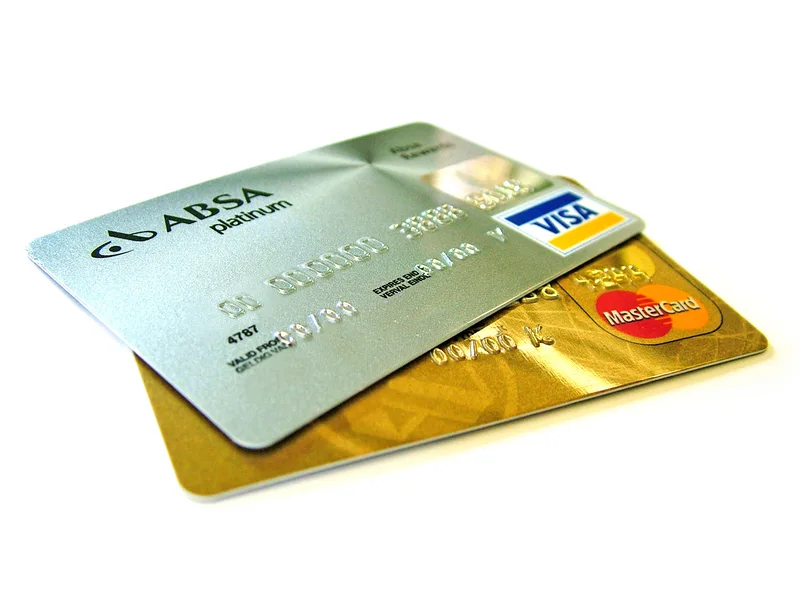
The checkout counter at nearly every major electronics retailer includes the same pitch at some point: sign up for the store credit card today and get an instant discount, often 10 to 20 percent off the current purchase, or promotional financing with "0% interest" for a set number of months. The immediate savings are real and the offer is genuinely tempting on a $1,200 laptop or a $900 television, but a store credit card is a different financial product from the cashback credit card most people already carry, with a different interest structure and a specific trap, deferred interest financing, that catches a meaningful number of cardholders who assume "0% for 12 months" behaves the same way it sounds.
Why the instant discount is easy money, but only if used correctly
The upfront discount offered for opening a store card, typically applied immediately to the purchase that prompted the signup, is close to unambiguous value if the shopper pays off that purchase in full before the promotional financing period ends and never carries an ongoing balance on the card afterward. A 15% discount on a several-hundred-dollar purchase is real money, and for a one-time large purchase from a retailer someone already intended to buy from, opening the card, taking the discount, and paying it off promptly is a genuinely sound strategy many financially disciplined shoppers use deliberately.
The risk isn't the discount itself, it's what happens next. Store credit cards carry some of the highest standard interest rates in the entire credit card industry, frequently in the 25 to 35 percent APR range, noticeably above the already-high average rate on general-purpose cashback and travel rewards cards. Any balance that isn't paid off according to the promotional terms, or any new purchase made on the card after the promotional period, starts accruing interest at that steep standard rate, which can erase the value of the original discount within a few months of carrying a balance.
How deferred interest financing actually works, and why it's misleading
This is the single most important mechanic to understand before accepting a "0% for 12 months" or similar promotional financing offer, because most store card promotions use a structure called deferred interest, not true 0% interest in the way most people assume. Under deferred interest financing, the retailer's card issuer calculates interest on the full purchase amount from day one, at the card's full standard rate, but waives that interest only if the entire balance is paid off in full by the end of the promotional period. If even a small remaining balance is left unpaid when the promotional window closes, even one dollar, the cardholder is typically charged the entire accumulated interest retroactively, back to the original purchase date, not just interest on the small remaining balance going forward.
This retroactive interest structure is fundamentally different from true 0% APR financing, sometimes offered by manufacturers directly or through select retailer promotions, where interest genuinely never accrues on the balance during the promotional period regardless of what remains unpaid when it ends. The two offers can look identical in an in-store or online promotional banner, both saying "0% for 12 months," but the deferred interest version carries meaningfully more financial risk for anyone who might not pay the balance off exactly on schedule. Reading the specific terms, not just the promotional headline, and identifying whether an offer is structured as deferred interest or true no-interest financing is the single most useful thing a shopper can do before accepting a store financing offer on a major purchase, since this detail is often buried in fine print rather than stated clearly in the marketing.
How this compares to general buy-now-pay-later options
Store credit cards and dedicated buy-now-pay-later services solve a similar problem, spreading out a large purchase, through different mechanisms with different risk profiles. As covered in our breakdown of whether 0% financing through buy-now-pay-later apps is actually a good deal, many standalone BNPL services structure their short-term installment plans as genuine no-interest financing without the deferred interest trap, though they typically cover shorter repayment windows and smaller purchase amounts than store cards do, and can carry their own late-fee penalties for missed installments. Store cards, by contrast, function as an ongoing revolving credit line the shopper keeps indefinitely after the initial purchase, which offers more flexibility for future purchases at that specific retailer but also more ongoing risk if the card isn't managed carefully or gets forgotten about entirely once the original discount purchase is paid off.
The credit score dimension most shoppers overlook
Opening a new store credit card triggers a hard inquiry on a credit report, which causes a small, typically temporary dip in credit score, and the new account itself can affect the average age of a credit history, a factor that carries meaningful weight in most credit scoring models. For someone with an already thin credit history or who is actively working to improve their credit score before a major life purchase like a car or a mortgage, opening a store card purely for a one-time electronics discount is a tradeoff worth thinking through rather than treating as a free, consequence-free decision made at the checkout counter under time pressure. On the other hand, a store card that's paid off responsibly and kept open with a small balance or occasional use over time can modestly help a credit profile by adding to total available credit and demonstrating a longer, positive payment history, so the actual effect genuinely depends on how the card is used after the initial purchase, not just on the decision to open it in the first place.
When a store card genuinely makes sense
The clearest case for opening a store credit card is a one-time or infrequent large purchase at a retailer the shopper was already committed to buying from, combined with genuine confidence in the ability to pay off the balance in full before any promotional period ends. Someone furnishing a home office, replacing several appliances at once, or making one large planned electronics purchase, television, laptop, or gaming console, who can comfortably pay off the balance within a few months, captures the discount with minimal downside risk. The case against it is just as clear: anyone who isn't confident they'll pay off the balance on schedule, anyone tempted to make additional purchases on the card after the initial one, or anyone who already struggles to track multiple card due dates and terms should treat the in-store discount pitch with real skepticism, since the standard interest rate and deferred interest structure are specifically designed around the statistical reality that a meaningful share of cardholders won't pay off the promotional balance in time, and that's exactly where store card issuers make their money. Comparing that risk against a straightforward general-purpose credit card with purchase protection benefits already in a shopper's wallet is worth doing before defaulting to the in-store offer just because it's the one being actively pitched at checkout.