Credit Card Purchase Protection: The Free Electronics Coverage Most People Ignore
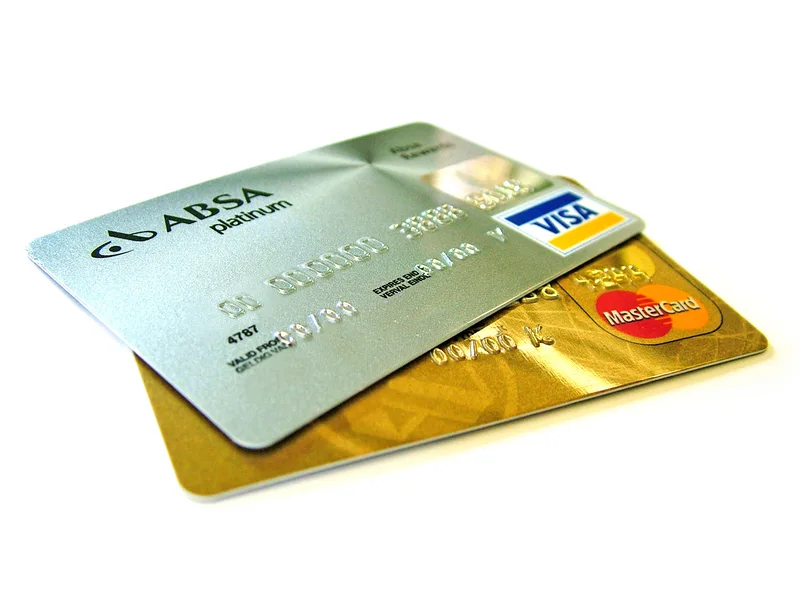
Buy a laptop or phone with the right credit card, and you may already own a form of protection that costs nothing extra and does more than most people realize: purchase protection. It's one of the least-understood perks buried in credit card terms and conditions, and it can matter just as much as a store's own return policy or an extended warranty you'd otherwise pay for separately. Knowing what it actually covers, and how it differs from the manufacturer's warranty, changes how you should think about buying expensive electronics.
What purchase protection actually is
Purchase protection is a benefit built into many credit cards, particularly premium and mid-tier rewards cards, that reimburses you if an item you bought with that card is stolen or accidentally damaged within a set window after purchase, typically 90 to 120 days depending on the card issuer. It's a separate benefit from a manufacturer's warranty, which covers defects in materials or workmanship, and separate from an extended warranty you'd purchase separately, which usually extends that same defect coverage further into the future. Purchase protection instead covers accidents and theft, the kind of damage a standard manufacturer warranty explicitly excludes.
This means the two are actually complementary rather than redundant. A manufacturer's warranty protects against a laptop that stops charging due to a defective battery; purchase protection protects against that same laptop being stolen from a car or cracked after being dropped down a flight of stairs, scenarios a standard warranty won't touch at all.
How the claims process actually works
Filing a purchase protection claim generally requires the original purchase receipt, the credit card statement showing the transaction, and some documentation of what happened, a police report for theft, or photos and a written description for accidental damage. Card issuers typically require the claim to be filed within a set number of days after the incident, often 60 to 90 days, so this isn't a benefit you can quietly forget about and claim months later.
Reimbursement is usually capped both per item and per year: a common structure caps individual claims around $500 to $10,000 depending on the specific card, with an annual maximum across all claims, and a per-claim deductible in some cases. Coverage details vary meaningfully between card issuers and even between different card tiers from the same issuer, which is why the specific benefits guide for your exact card, not a generic summary, is the only reliable source for what your particular card actually covers.
Where it overlaps, and doesn't, with other protections
Purchase protection is often confused with price protection, another credit card benefit, but the two cover entirely different situations. Price protection reimburses the difference if an item's price drops shortly after you buy it; purchase protection covers physical damage or theft to the item itself. Some premium cards offer both benefits, but they're activated by completely different circumstances and typically need to be claimed through separate processes.
It's also worth understanding how purchase protection interacts with buying open-box or refurbished electronics. Coverage generally still applies as long as the purchase was made with the eligible card and the item itself isn't excluded by category, though some issuers exclude used, refurbished, or open-box items from purchase protection specifically, even when the same item would otherwise qualify. Checking this before assuming coverage applies to a refurbished purchase is worth the few minutes it takes, since the exclusion isn't always obvious from a card's marketing materials.
What's usually excluded
Purchase protection policies typically exclude normal wear and tear, cosmetic damage that doesn't affect function, items left unattended in a public place, and certain categories entirely, commonly things like motorized vehicles, some jewelry, and consumables. Accidental damage coverage also generally requires the damage to be genuinely accidental rather than a known, pre-existing issue, so a phone screen that was already cracked before an additional drop typically won't qualify for a clean claim. Most policies also require that the full purchase amount, or a qualifying portion of a split payment, went on the covered card, so paying partly in cash or with a different card can complicate or disqualify a claim.
Why premium cards treat this as a selling point
Purchase protection tends to be a more generous, more clearly advertised benefit on premium travel and rewards cards than on basic no-annual-fee cards, and that's not an accident. Card issuers use benefits like purchase protection, along with extended warranty matching and travel insurance, as part of the pitch for why an annual fee is worth paying, betting that cardholders will use these benefits enough over time to offset the fee. This is worth factoring in if you're deciding between two similar cards, or wondering whether a card's annual fee is worth it: someone who regularly buys electronics, furniture, or other higher-value items may get more real value out of built-in purchase protection over a year than they would from a comparable cash-back rate on the same spending.
It's also worth noting that coverage can change. Card issuers periodically revise their benefits guides, sometimes shortening coverage windows or adding new exclusions, so a card that offered strong purchase protection when you first signed up isn't guaranteed to keep the exact same terms indefinitely. Checking the current guide to benefits occasionally, rather than relying on what the card offered years ago, avoids an unpleasant surprise if you ever actually need to file a claim.
Making it actually useful
The most practical step is simply checking whether your existing credit card already includes purchase protection before assuming you need to pay for a store's extended protection plan on a new phone or laptop. Many people carry a card with this benefit and never use it, either because they don't know it exists or because they don't realize a specific incident, a cracked screen, a stolen laptop from a car, actually qualifies. Reading your card's guide to benefits document, usually available directly through the issuer's website or by calling the number on the back of the card, is the only reliable way to confirm your coverage window, dollar limits, and exclusions before you need them, rather than discovering the details for the first time while filing a claim.
Keeping receipts and card statements for major electronics purchases for at least the length of the coverage window costs nothing and makes a future claim dramatically easier to file if something does go wrong. For anyone regularly buying phones, laptops, or other expensive electronics, understanding this benefit ahead of time, rather than after a laptop gets stolen or a phone takes a bad fall, is what actually makes credit card purchase protection worth factoring into which card you reach for at checkout.