Refurbished Electronics vs Black Friday Deals: Which Actually Saves You More
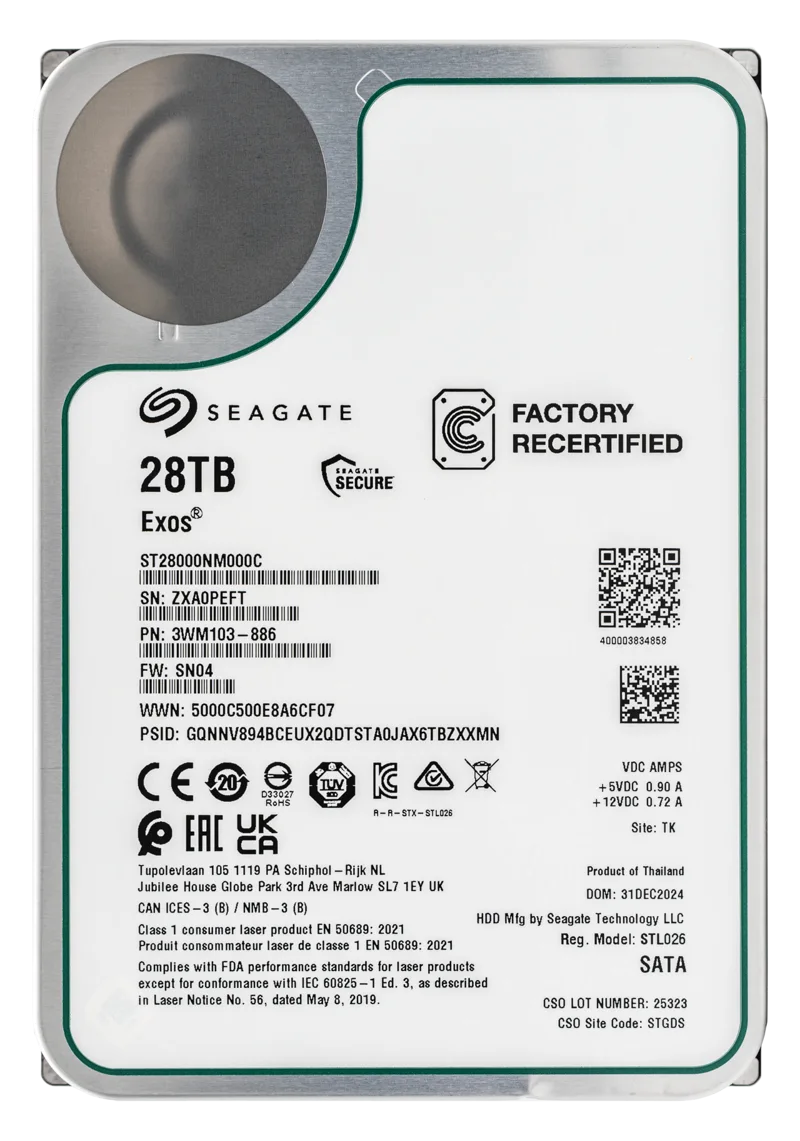
Every year, the same question resurfaces as soon as discount season approaches: should you wait for a Black Friday sale, or is buying refurbished the smarter way to save on the electronics you actually need? The honest answer depends on what you're buying and how much risk you're willing to accept, and the two approaches solve genuinely different problems rather than competing head to head.
What you're actually trading for a lower price in each case
Black Friday and other seasonal sales offer brand-new devices at a temporary discount, meaning you get full manufacturer warranty coverage, the latest model generation, and zero uncertainty about the device's history — the tradeoff is that the discount is temporary and often smaller than people assume once you account for which specific models actually go on sale versus which ones are marketing bait at a barely-reduced price.
Refurbished electronics offer a permanent, often much larger discount, but on a device that isn't brand new — something previously returned, used briefly and restored, or a display model. The savings can be substantial, frequently 20 to 40 percent off original retail price depending on the category and condition grade, but you're accepting a device with some prior use history and typically a shorter or different warranty structure than buying new.
Where seasonal sales actually make sense
If you specifically want the newest model of a device — a current-generation flagship phone, the latest laptop generation — refurbished units of that exact model often aren't available yet or command near-retail prices anyway, since refurbished inventory takes time to build up after a launch. In that situation, waiting for a seasonal sale on the new device is genuinely the better strategy, since refurbished doesn't offer a meaningful alternative for something that recently launched.
Seasonal sales also make more sense for categories where a manufacturer warranty matters enormously to you psychologically or practically — expensive gaming PCs, appliances, anything you're not comfortable troubleshooting yourself if something goes wrong shortly after purchase.
Where refurbished electronics actually make sense
For devices that are a generation or two old — last year's flagship phone, a previous-generation laptop — refurbished pricing is often dramatically better than waiting for that older model to go on sale, since retailers have less incentive to discount inventory they're trying to clear versus refurbishers who've already built a business model around exactly this category. If the newest features genuinely don't matter to your use case, buying refurbished at that pricing gap is usually the better financial decision by a wide margin.
Refurbished also makes particular sense for categories with historically strong reliability and long usable lifespans — certain laptop lines, gaming consoles, monitors — where "used but restored" carries less practical risk than it would for something with more failure-prone components or a shorter useful life to begin with.
How to actually evaluate a refurbished listing
The word "refurbished" isn't standardized across sellers, and that inconsistency is where most refurbished buying mistakes happen. Manufacturer-certified refurbished programs — from the original brand or an authorized partner — typically include the most rigorous testing and the closest thing to a new-device warranty you'll find on a used unit. Third-party refurbished listings vary enormously in quality control, and a suspiciously large discount relative to manufacturer-certified pricing for the same model is often a sign of shorter warranty coverage, less thorough testing, or cosmetic condition that photos don't fully represent.
Always check the specific warranty length and what it actually covers before comparing a refurbished price against a new one — a refurbished device with only a 90-day warranty is a meaningfully different value proposition than one with a full year of coverage, even at an identical purchase price.
Combining both strategies for the best outcome
The smartest approach for many buyers isn't choosing one strategy exclusively — it's applying seasonal-sale thinking to new purchases of current-generation devices you specifically want new, while applying refurbished thinking to older-generation devices where the newest features don't matter to you. Watching for refurbished-specific sales during the same Black Friday period can occasionally stack both discounts, since some refurbishers run their own seasonal promotions timed to coincide with broader retail sales events.
Return policies and buyer protection differences
New purchases during a seasonal sale generally come with the retailer's standard return window, often extended slightly during the holiday shopping period specifically to accommodate gift purchases, giving you a comfortable amount of time to test the device and return it if something's wrong. Refurbished purchases vary much more by seller — manufacturer-certified programs typically match or come close to standard new-purchase return windows, while third-party refurbished marketplaces sometimes offer shorter return periods or restocking fees that reduce your practical ability to back out of a purchase that doesn't work out.
Payment method protections matter here too: buying either new or refurbished with a credit card that offers extended warranty or purchase protection benefits can meaningfully reduce the risk gap between the two options, effectively adding a layer of protection on top of whatever the seller itself provides.
Timing your purchase around both calendars
Seasonal sales cluster predictably around a few key periods each year, while refurbished inventory and pricing fluctuates more continuously based on trade-in volume and new-model release cycles rather than a fixed calendar. That means patient buyers focused on refurbished electronics can often find good pricing at almost any time of year, while new-purchase savings really are concentrated around specific, predictable sales windows worth planning around if a new device is what you've decided you actually want.
The actual recommendation
Buy new during a seasonal sale if you want the current model generation, need full manufacturer warranty peace of mind, or are buying a category where used-condition risk feels too high to accept. Buy refurbished if you're comfortable with a slightly older model, want the largest possible discount on a device that's proven reliable over time, and are buying from a manufacturer-certified program with clear warranty terms. Neither strategy is universally better — the right answer depends entirely on which specific device you need and how much you value having it brand new versus having it cheap.