Buying Refurbished Electronics: What 'Certified' Actually Guarantees
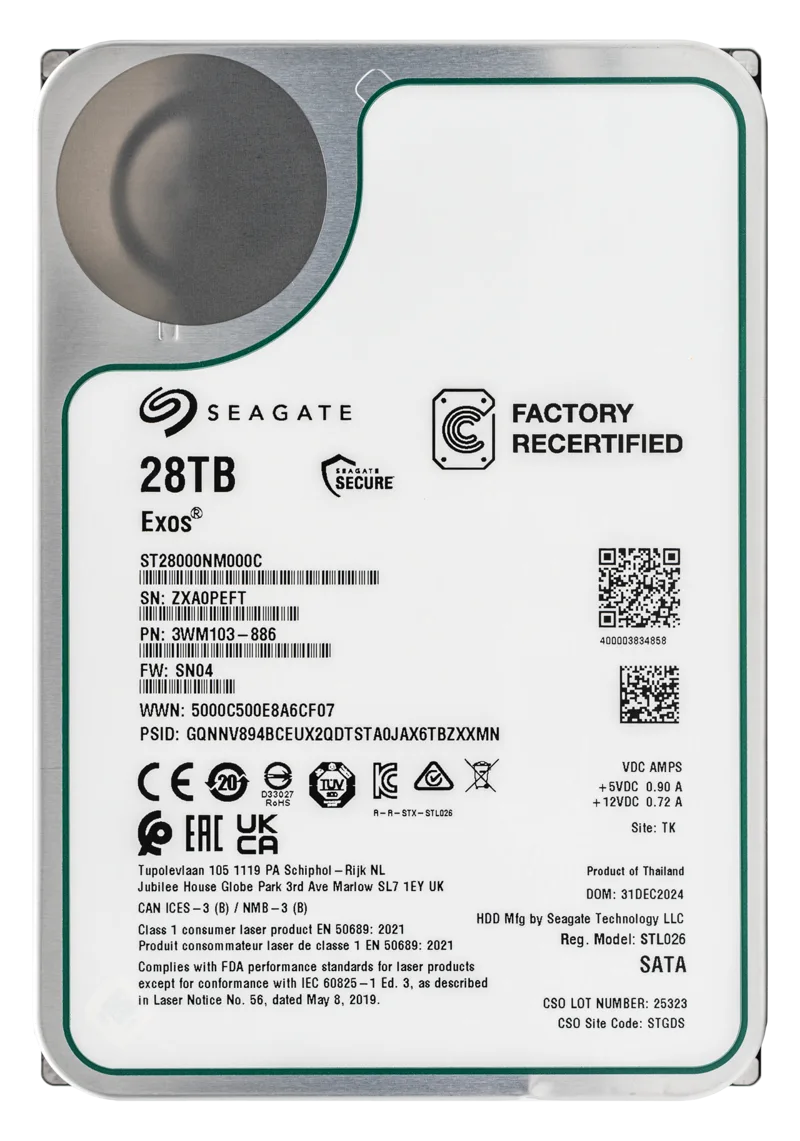
"Refurbished" and "certified" get printed on listings across wildly different quality tiers, from a manufacturer-run program with genuine quality control to a third-party seller's loose repackaging of returned units with minimal testing. The word alone tells you almost nothing about what you're actually buying — the source of the refurbishment program, and the specific warranty and testing standard behind it, are what actually determine whether a "certified refurbished" purchase is a smart way to save money or a gamble on someone else's returned, possibly broken, electronics.
Who actually did the refurbishing matters most
The single most important factor in any refurbished purchase is the source of the certification, since "certified" isn't a legally standardized term the way some consumer protection labels are. Manufacturer-certified refurbished programs — devices refurbished directly by Apple, Dell, Samsung, or a similar original manufacturer — generally involve the most rigorous testing, genuine replacement parts, a fresh battery where applicable, and a standard warranty comparable to buying new, often the same length as a brand-new unit's warranty. Retailer-certified programs, run by a large retailer rather than the original manufacturer, vary considerably in rigor but are still generally accountable to that retailer's own return policy. Third-party marketplace sellers using the word "refurbished" or "certified" with no named certifying body behind it are the riskiest tier, since there's often no standardized testing process at all behind the label, and recourse if something's wrong depends entirely on that individual seller's own return policy.
What a legitimate refurbishment process actually includes
A properly refurbished device should have gone through functional testing of all major components — screen, battery health, ports, cameras, buttons — a factory reset wiping any previous owner's data, cosmetic grading that's disclosed honestly to the buyer, and replacement of any failed or degraded parts, most commonly the battery on phones and laptops given how predictably lithium-ion batteries degrade with age and charge cycles. Legitimate programs typically grade cosmetic condition on a clear scale (something like "excellent," "good," "fair") so buyers know what physical wear to expect before the item arrives, rather than discovering scratches or dents as a surprise. If a listing doesn't disclose battery health specifically for a phone or laptop, that's worth asking about directly before buying, since battery condition is one of the most common hidden weaknesses in an otherwise well-refurbished device.
Warranty length is the fastest way to judge a program's confidence
Warranty length is one of the most reliable proxies for how confident a refurbishment program actually is in its own testing process. A program offering only a 30-day or shorter warranty is implicitly telling buyers it isn't confident the device will hold up much beyond an initial check, while a program offering 90 days, a full year, or matching new-device warranty terms is signaling a level of quality control that most defects would surface and get caught during. When comparing two otherwise similar refurbished listings at different prices, the warranty terms are often a more useful signal of real quality than the price difference itself, since a cheaper unit with a weak warranty can easily cost more in the long run if it fails outside a short coverage window.
How refurbished pricing compares to trade-in and Black Friday savings
Refurbished electronics are one of several distinct ways to save money on tech, alongside seasonal sales events and manufacturer trade-in programs, and they don't always overlap the way shoppers assume. A detailed look at how refurbished savings actually compare against Black Friday discounts on the same product categories shows that the two aren't necessarily competing options — sometimes the deepest savings come from combining a refurbished purchase with a separate promotional discount rather than choosing one approach exclusively. For buyers deciding whether to sell an old device and put that money toward a refurbished replacement, it's also worth understanding how trade-in programs value used electronics, since trade-in credit and refurbished purchase prices are both driven by the same underlying used-device market.
Extended warranties on refurbished purchases
Because refurbished devices are, by definition, previously owned or returned units, the calculus around buying an extended warranty on top of the included coverage shifts somewhat compared to a brand-new purchase — the original manufacturer warranty (if any transfers) may already be partially used up, and the device has a documented history of at least one prior owner or return. Whether an extended warranty makes sense on a specific refurbished purchase depends heavily on the device category and the included warranty length, a decision covered in more general terms in a guide to when extended warranties on electronics are actually worth it.
Practical due diligence before buying
Before completing any refurbished purchase, it's worth confirming a few specific things directly with the seller if they aren't already clearly stated in the listing: exactly who performed the refurbishment and certification, the specific warranty length and what it covers, the cosmetic grading scale used and what condition tier this specific unit falls into, and battery health specifically for phones and laptops. A return window that allows enough time to actually test the device thoroughly, rather than a same-day inspection requirement, is also worth checking, since some defects — battery drain under real use, intermittent port issues — only become apparent after a few days of normal use rather than an initial unboxing check.
The bottom line
"Certified refurbished" is a genuinely useful way to save money on electronics, but the certification itself only guarantees real quality when it comes from a manufacturer or a retailer with a rigorous, transparent process behind the label — the word alone, especially from an unnamed third-party seller, guarantees very little. Checking who's behind the certification, the specific warranty terms, and the disclosed condition grading turns a refurbished purchase from a gamble into a genuinely reliable way to buy quality electronics for meaningfully less than a new unit costs.
Environmental impact as a secondary benefit
Beyond the price savings, buying refurbished has a genuine environmental case behind it: electronics manufacturing carries a significant carbon and resource cost concentrated heavily in the production phase rather than everyday use, meaning a refurbished device that extends a unit's usable life avoids a meaningful share of that footprint compared to manufacturing an entirely new device to replace it. This is increasingly reflected in how manufacturers market their own refurbished programs, often alongside trade-in and recycling initiatives aimed at keeping working components in circulation longer rather than discarding devices with plenty of remaining useful life. It's a secondary consideration for most shoppers behind price, but it's a legitimate additional reason the refurbished market has grown as quickly as it has, beyond pure cost savings alone.